
Slab Leak Detection · Venice, FL
Slab Leak Detection in Venice, FL
Pulsar 2000 line tracing, thermal imaging, moisture mapping, acoustic pinpointing. One small cut, not a demo job. Licensed master plumber CFC1434139.
Call Now239-388-3631A pinhole leak in a copper line under your slab can be smaller than the tip of a pencil. It doesn’t seep. Under 40 to 80 psi of line pressure, it sprays — continuously, day and night, whether you’re home or not. That tiny hole can waste over 5,000 gallons a month, and you won’t see a drop of it. What you’ll see is a water bill that doesn’t make sense, or a warm patch on your tile floor that shouldn’t be warm.
Here’s the part most homeowners don’t know until they’ve already paid for it: the pipe itself is almost never the expensive part of a slab leak. The expensive part is the concrete somebody opened up guessing. A leak located to within a couple of inches turns into a small, targeted cut. A leak nobody bothered to actually locate turns into exploratory demolition, billed by the hour, one hole at a time until somebody gets lucky.
I don’t guess. I run a Pulsar 2000 line tracer, thermal imaging, moisture meters, and acoustic listening equipment — in that order, as one system — to put an X on the floor before anything gets cut. My name is Mike Reynolds. I’m the owner of Plumbing Detectives LLC and a licensed master plumber, license CFC1434139, serving Venice, Nokomis, Sarasota, North Port, and Englewood. Here’s how the process actually works, and why it matters more here than almost anywhere else in the country.
Why Here
Why Venice Homes Get Slab Leaks
More than 90% of Florida homes built since 1970 sit on a slab — no basement, no crawlspace. Whatever supply line was run through or under that concrete when the house was poured is still there, usually copper if your home dates from the 1960s through the 1990s, and it’s been sitting in Florida’s water and Florida’s soil for decades.
Copper under slab fails from more than one direction at once. On the inside, water sitting stagnant in the line lets chlorine dissipate and creates conditions for pitting. Soldering flux left behind during the original install becomes a future corrosion site. Turbulent flow at tight fitting angles erodes the pipe wall from the inside over years. Our water itself doesn’t help — it’s drawn largely from the Floridan Aquifer, a limestone formation that loads it with dissolved calcium and magnesium, and that mineral content plays its own role in how copper degrades over time.
On the outside, the soil the pipe sits in has its own chemistry, and localized differences in that chemistry create the same kind of pitting corrosion from the exterior of the pipe. Between the water side and the soil side, under-slab copper in this region is working against itself from both directions simultaneously.
One thing worth clearing up, because it gets repeated constantly and it’s not what the research actually shows: stray electrical current — “electrolysis” — gets blamed for pinhole leaks all the time. A multi-year Central Florida utility study specifically testing for this found no real correlation between stray current and copper pitting. It’s a popular theory. It’s not the mechanism doing the damage. I’d rather tell you what the data actually says than repeat what’s easy to believe.
Warning Signs
The Warning Signs
A water bill that doesn’t make sense. A slab leak runs continuously — no seasonal explanation, no houseguests, just a bill that’s noticeably higher than it should be, month after month.
A warm spot on the floor. About four out of five slab leaks happen on the hot line, because hot water accelerates copper corrosion. If one patch of tile or flooring is warmer than the rest of the room for no reason, that’s usually your first real clue.
The sound of water running when nothing’s on. Pressurized water escaping a breach makes a hiss or a rush that’s audible in a quiet room, even with every fixture in the house closed.
Damp carpet, soft spots, or flooring that’s lifting. Concrete is porous. Water can wick upward from a leak many feet away and show up as a wet or buckled spot nowhere near the actual source.
A musty smell with nothing visible. Moisture trapped under flooring creates the conditions for mold and mildew before you ever see a stain.
Cracks showing up in tile, grout, or drywall. Sustained saturation under a slab can shift the foundation slightly, and that stress shows up as cracking in places that have nothing to do with plumbing on the surface.
The water meter test. Shut off every fixture and appliance in the house — nothing running, nothing on. Check the small leak indicator on your meter (a triangle, star, or dial). Wait 15 to 60 minutes. If it’s moved at all, water is actively leaving your system somewhere, whether you can see it or not.
The Method
How I Actually Find It — Trace, Then Percolate, Then Listen
Every tool I use answers one specific question. None of them do everything, and I’ve never met a single instrument that replaces the other three.
Thermal imaging finds the neighborhood. An infrared camera doesn’t see water and it doesn’t see through concrete — it sees temperature. A hot water leak under the slab warms the concrete and flooring above it just enough to show up as a bright spot against the surrounding cool floor. Cold water leaks are harder to catch this way; they need a more sensitive camera and the right conditions, usually during a temperature swing like overnight cooling. This is always my first, non-invasive pass across the floor.
A moisture meter confirms what the camera thinks it’s seeing. A thermal camera can show a pattern that looks like moisture — it can’t prove it. A moisture meter reads actual water content at or just below the surface and tells me whether that warm spot is really wet, or just warm for some other reason. It’s confirmation, not a standalone tool.
The Pulsar 2000 traces the exact pipe, not the whole slab. Once I’ve got a general area, I clamp a lead to the target line — say, the cold-water outlet at the water heater and a fixture stub-out in the suspect zone — and energize just that one branch. The wand follows the signal along the pipe’s actual route under the floor, and I tape-mark that exact corridor. This is the step that keeps me from listening across an entire slab. I’m only listening along one traced line a few inches wide.
Then I make it talk. With the line isolated and drained, I introduce compressed air into the system. Air escaping through the leak point agitates the water and saturated soil around it — it percolates — and that agitation produces a far louder, more distinct disturbance than the leak makes on its own under normal pressure. This is the step that turns a faint signal into an obvious one.
Geophones pinpoint the exact spot. Contact discs pressed to the slab, feeding sound through headphones — it works like an amplified stethoscope for your floor. I call them the xylophones on the truck, which tells you nothing about how they work but is exactly what they sound like when you’re walking a slab with two of them. I place two heads a few feet apart along the tape-marked line and listen for where the sound is loudest and arrives evenly in both ears. That point is directly above the leak.
One cut, not a search pattern. Before anything gets opened, I scan for rebar, post-tension cable, and conduit so the cut doesn’t create a second problem. Then it’s one core drill or a small opening at the marked spot — not a trench, not a series of test holes.
Plumbing Detectives LLC Professional Opinion
If a company can’t explain why they’re using a specific tool at a specific step — not just naming it, but telling you what question it answers and what it can’t tell you — they’re running equipment, not a method. A line tracer tells you where the pipe runs. It does not tell you where the leak is. A thermal camera tells you where it’s warm. It does not confirm water. Ask any company you’re comparing one question: “How do these tools work together?” A real answer sounds like a sequence. A vague answer is a sales pitch wearing a tool belt.
The Math
What Detection Actually Saves You
A professional detection visit generally runs a few hundred dollars — well under a thousand, depending on how much specialty equipment the job needs. Skip it, and blind demolition to find a leak by trial and error runs into the thousands before a single foot of new pipe goes in, because you’re paying by the hour for a search instead of paying once for a location.
The math isn’t complicated. A leak located to within an inch or two turns into a small, targeted repair. A leak that’s just “somewhere under the kitchen” turns into exploratory demolition — open a section, no leak, patch it, open another section, repeat, and now you’re paying labor for every wrong guess along the way. Detection is the cheap, bounded cost that prevents the expensive, unbounded one.
The Decision
Spot Repair, Reroute, or Repipe — How I Actually Decide
Once the leak is located, there are three honest paths, and which one is right depends on the pattern, not on which one pays better.
Spot repair makes sense when this is one isolated failure in an otherwise sound system — the pipe is located, opened at that one point, repaired, and closed back up. Fastest and least invasive when it’s genuinely a single, isolated problem.
Rerouting the affected line — running new PEX through the attic or walls and abandoning the old under-slab section in place — makes sense when the leak location is hard to access, or when you want off the slab entirely for that specific line without committing to a whole-house repipe yet.
A full repipe is the right call when the pattern points past one bad spot. If you’ve had two leaks on the same aging copper line within about a year, that’s not bad luck — that’s the system telling you the corrosion mechanisms working on the failed section are working on the rest of the same-vintage pipe too. At that point, spot-repairing the same material in the same water and soil conditions is just scheduling the next leak. For more on the full repipe decision, take a look at our whole house repiping page.
This is also where PEX has a real, honest advantage over copper for this specific climate: PEX doesn’t corrode the way metal does, so a rerouted system isn’t fighting the same water chemistry and soil chemistry that took out the original line. It has its own weak points — UV exposure if it’s ever run outside without protection, and any brass fittings used with it are still metal and still subject to the same corrosion pressures — but it’s not fighting the mechanism that actually failed your copper.
Permits & Insurance
Permits and Insurance — What You Should Know
Repairing, altering, or replacing a plumbing system in Florida requires a permit — a slab leak repair falls under that requirement because it involves working on supply piping, not just clearing a stoppage. We pull the permit through the City of Venice or Sarasota County depending on your address, and we handle the inspection process as part of the job.
If you’re filing an insurance claim on a slab leak, documentation matters. Florida requires a state-licensed plumbing contractor to perform leak detection on pressurized supply systems for a report to be accepted by most carriers — which is exactly why the license number on this page isn’t just a formality. Thermal imaging, moisture readings, and the traced leak location all become part of a documented record that supports your claim instead of leaving you arguing over what happened and when.
Plumbing Detectives LLC Tips
Run the water meter test yourself before you call anyone. Shut everything off, check the leak indicator, wait an hour. If it’s moved, you’ve confirmed a leak exists before spending a dollar on detection.
Warm floor, no other symptoms? That’s almost always the hot line. Cold floor, water bill up, no warm spot? That’s a cold line leak, and it’s the harder one to catch on thermal alone — worth mentioning when you call.
If you’ve had more than one slab leak on the same system in the past year or two, stop thinking about it as two separate repairs. Ask about a reroute or repipe conversation instead.
Keep any water meter readings, photos of wet spots, or utility bill history you’ve already noticed before we arrive — it helps narrow the search before the equipment ever comes out of the truck.
Why Us
Why Plumbing Detectives LLC
Most companies in this market will tell you they use “advanced equipment” — acoustic sensors, infrared, moisture meters — without ever explaining what each one actually does or why it’s used at a specific point in the process. That’s a tool list, not a method.
I run thermal imaging, moisture meters, the Pulsar 2000 line tracer, and geophone acoustic detection as one integrated sequence — trace the line, percolate the leak, listen for the exact spot — because that’s what actually narrows a slab leak down to one small cut instead of a guess with a jackhammer attached. That same diagnosis-first philosophy is why I run camera inspections on every sewer line before recommending a repair — you locate the problem, then you cut. Licensed, documented, camera-verified sewer work and slab leak detection under one company. License CFC1434139. Fully insured.
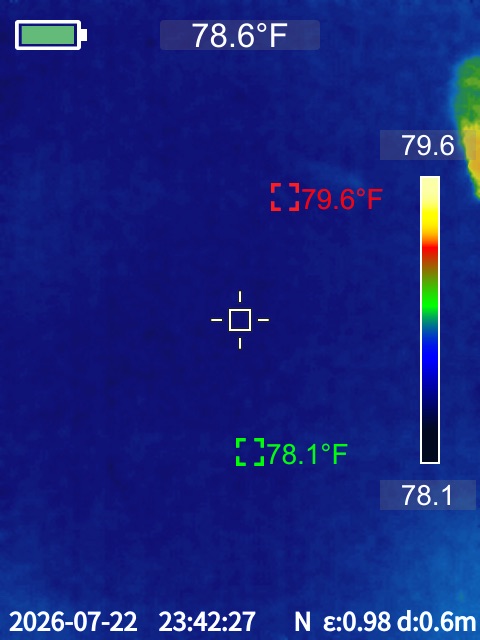
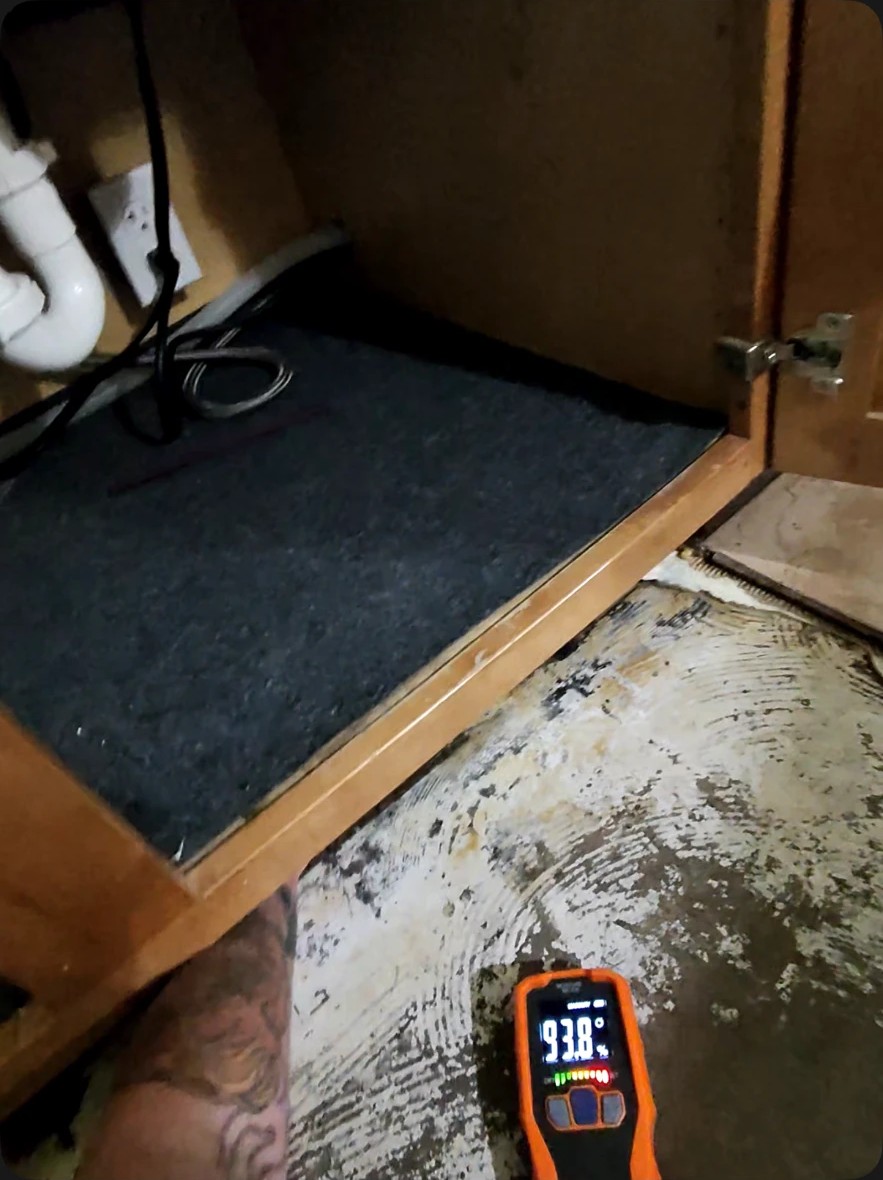
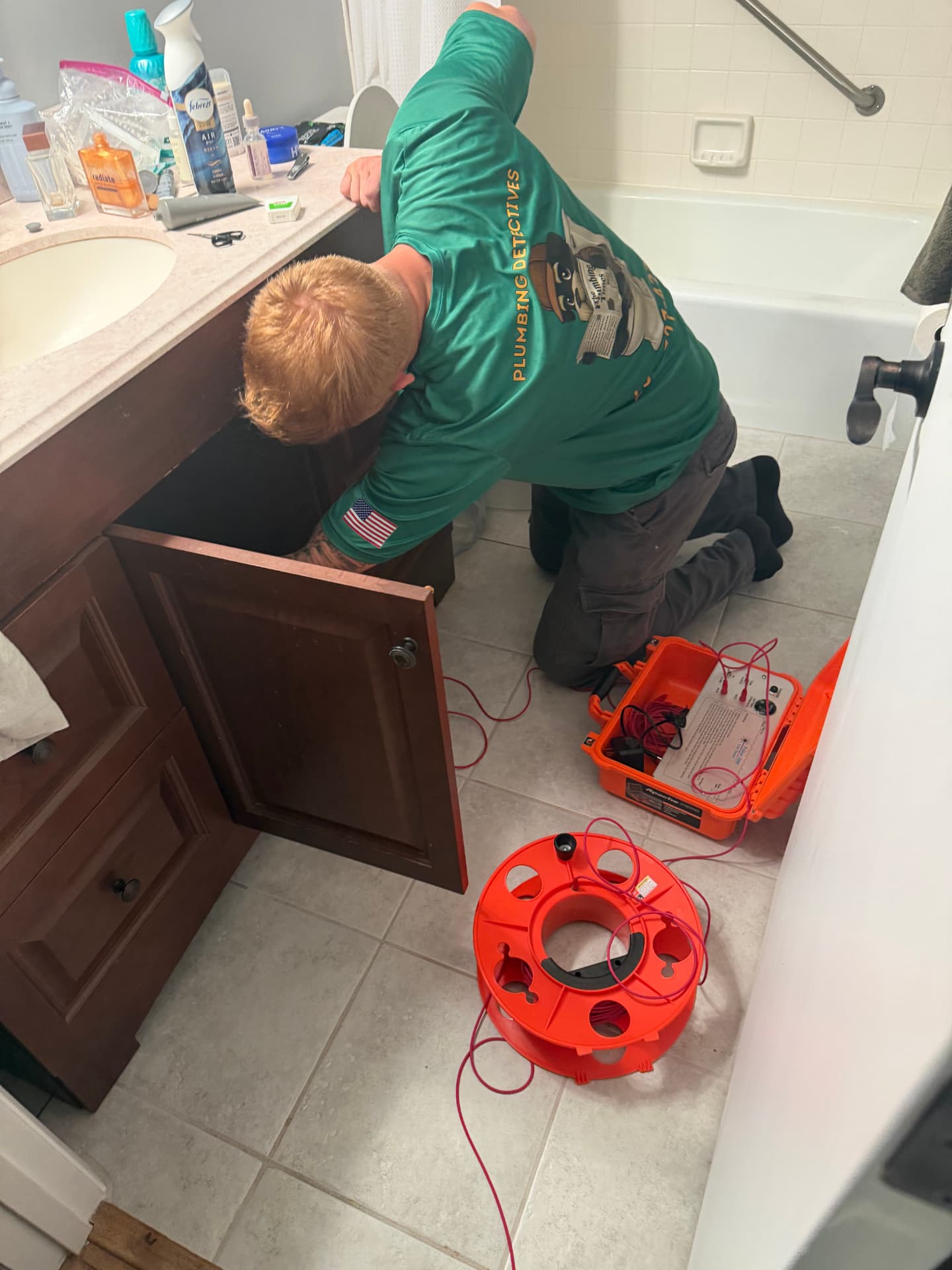
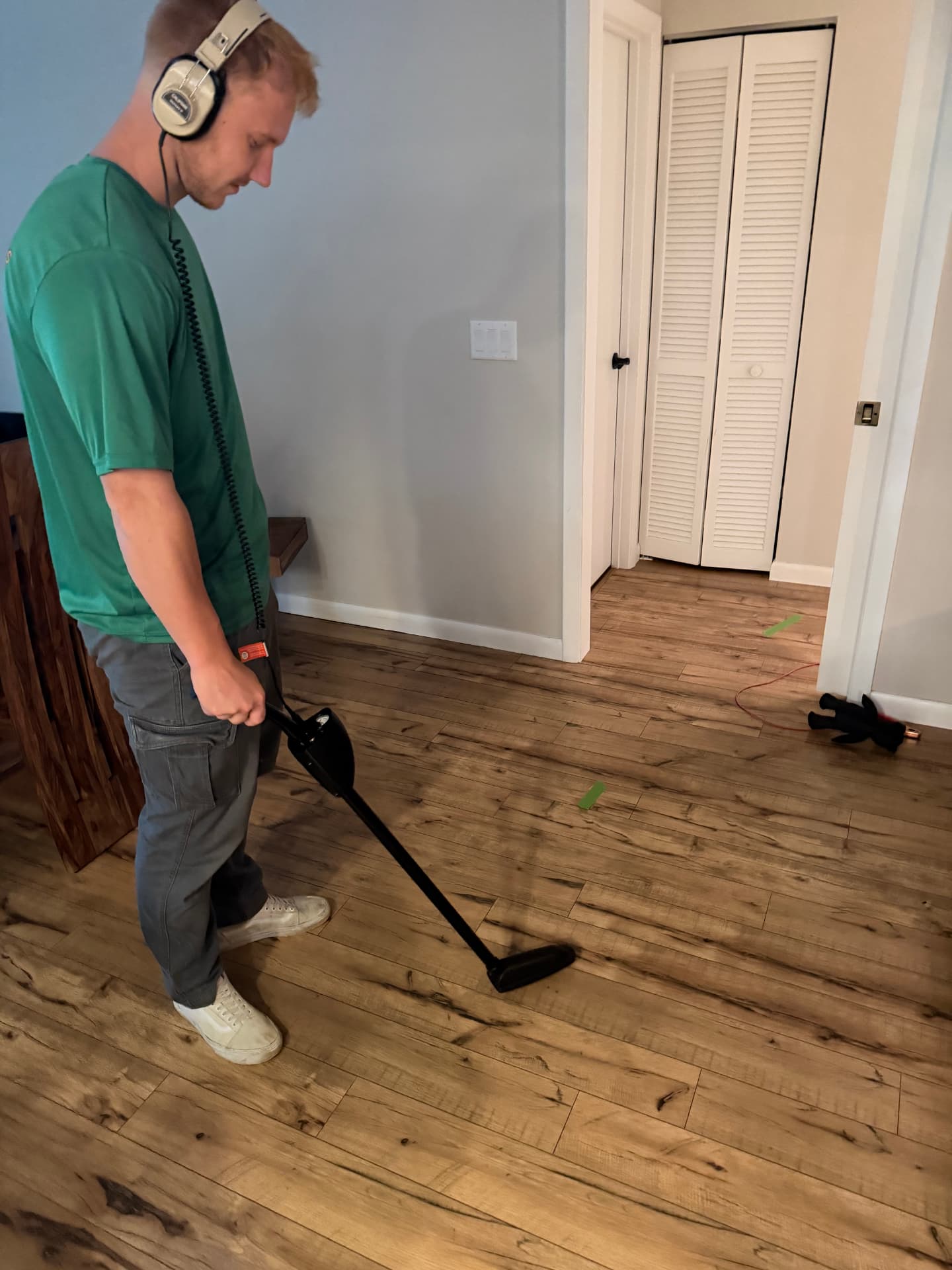
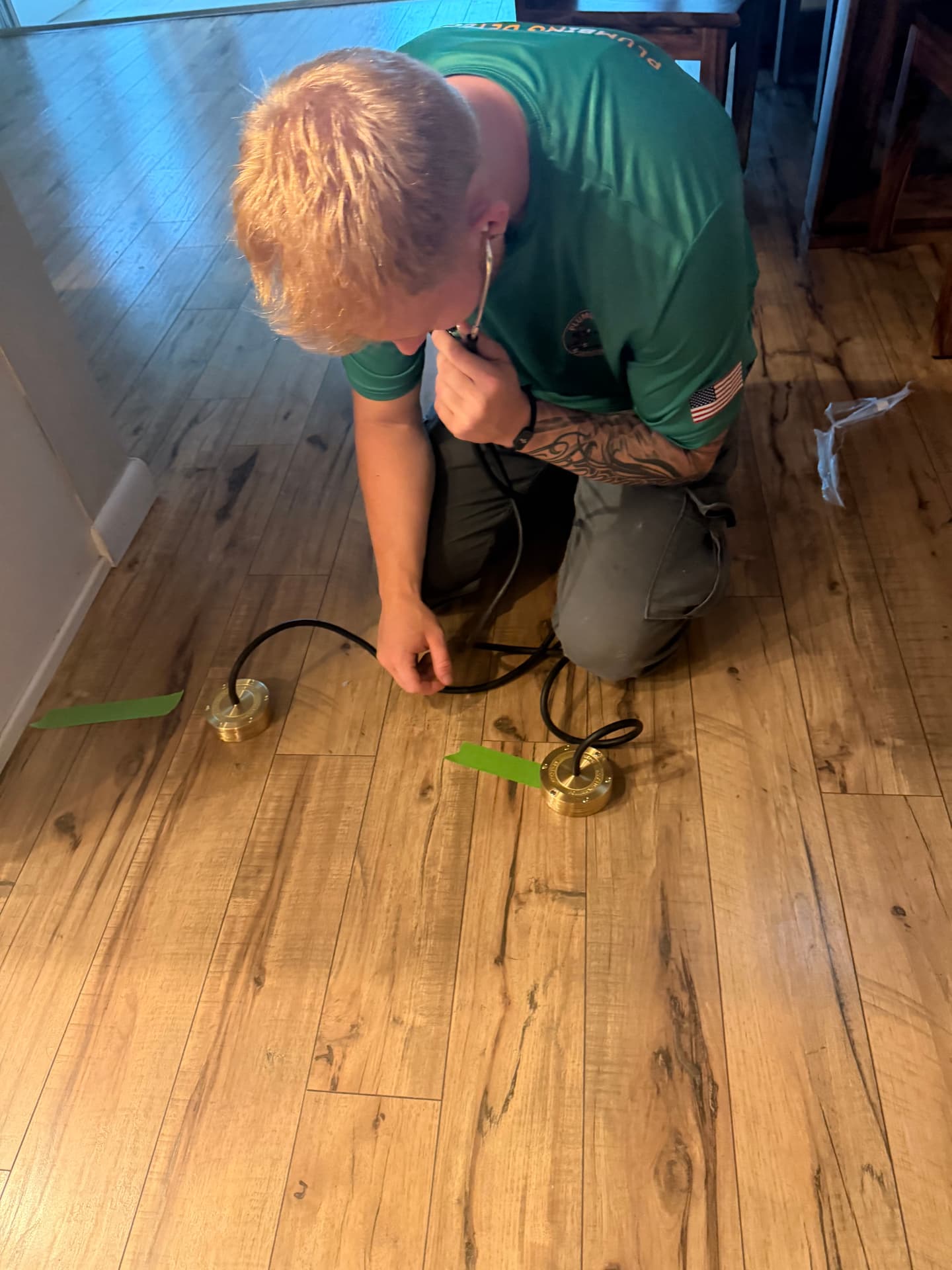
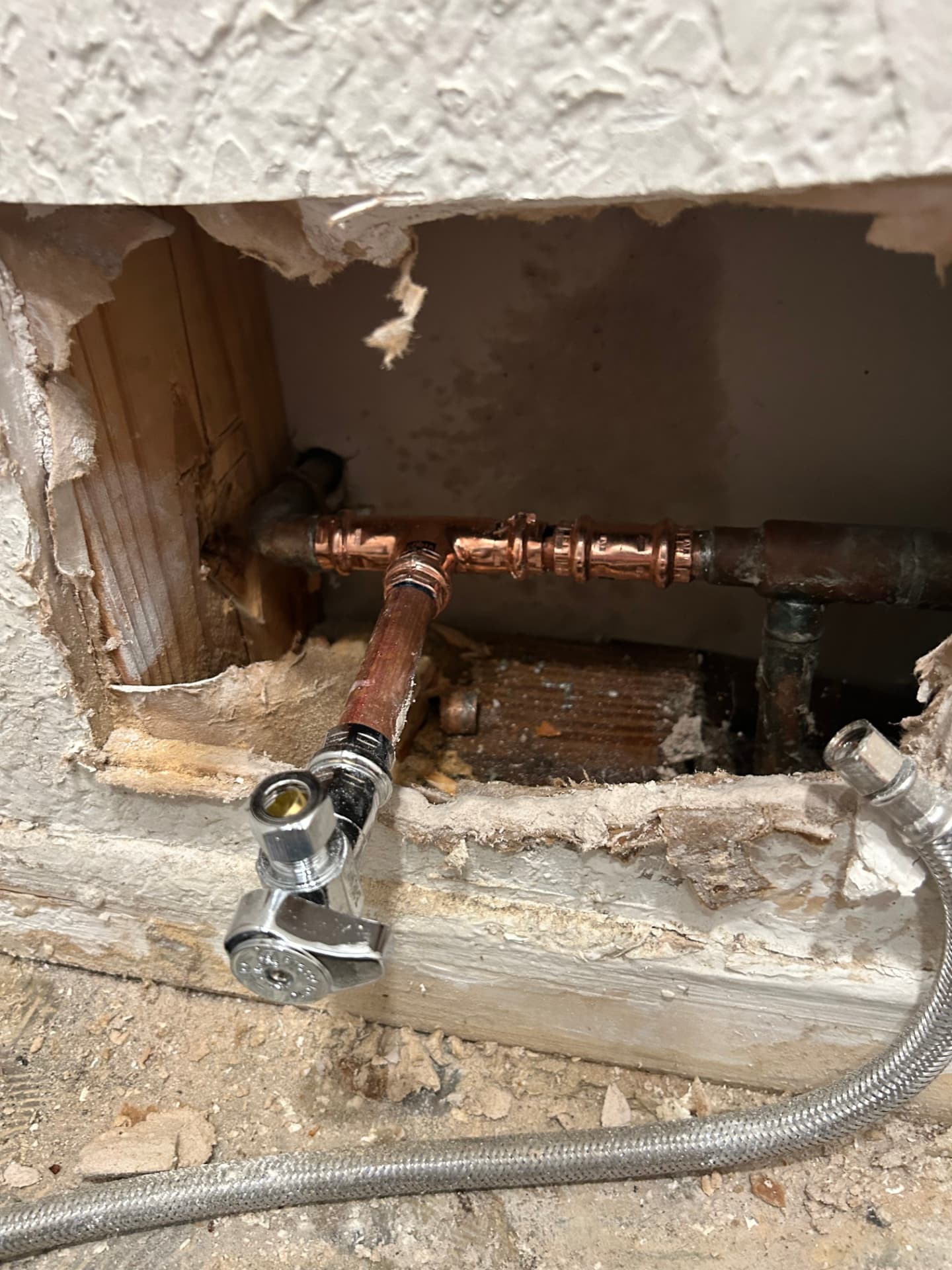
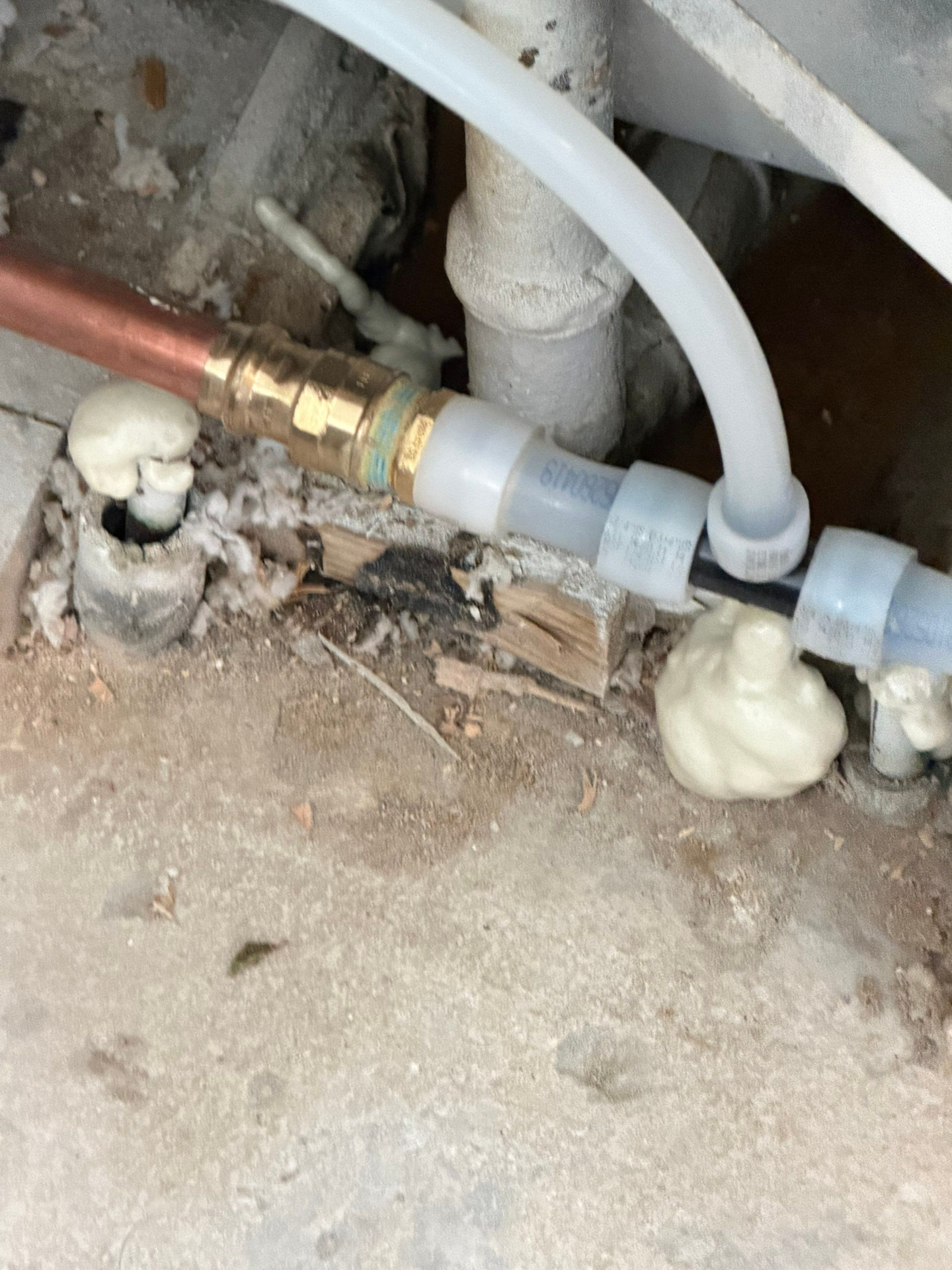
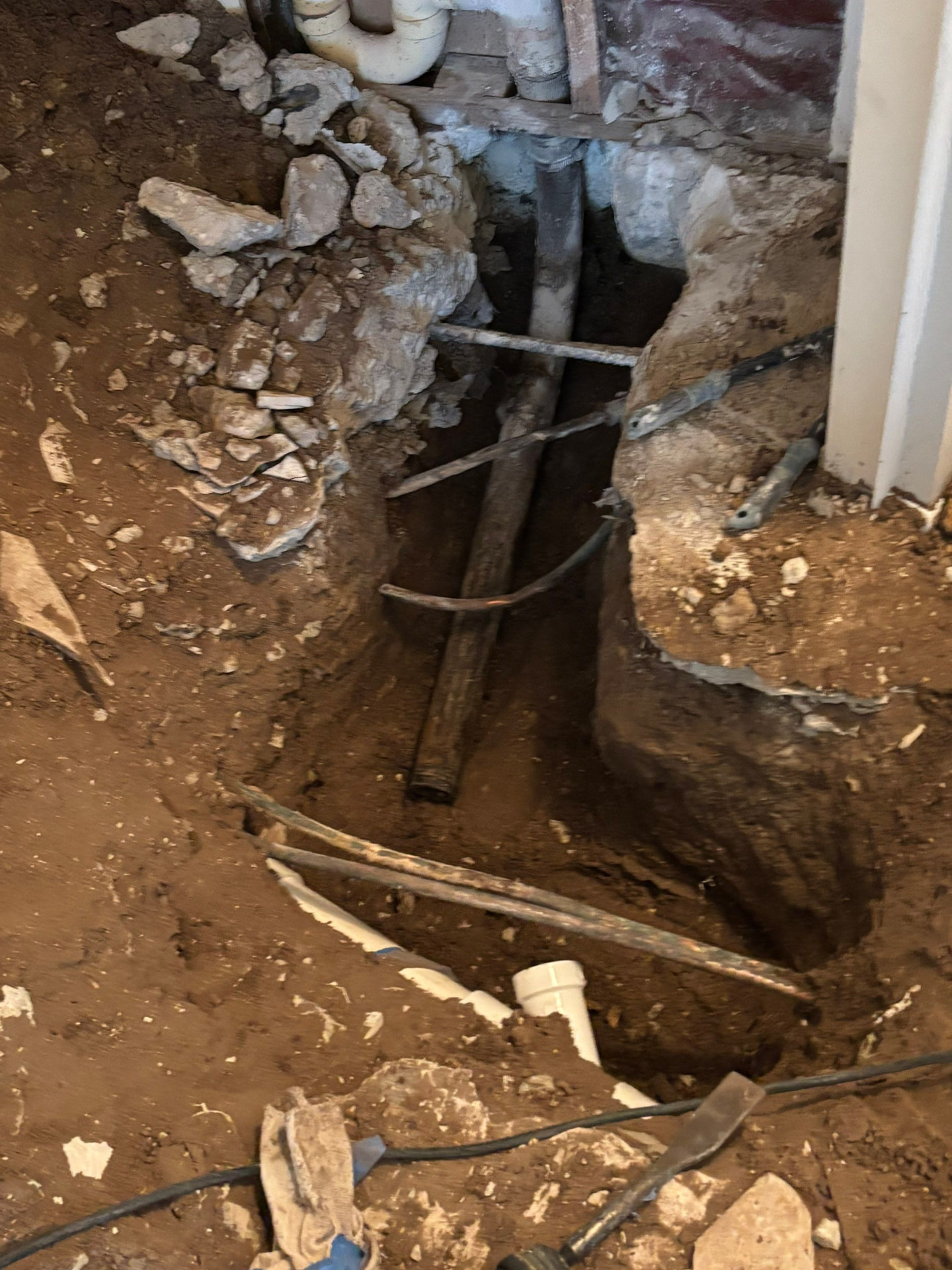
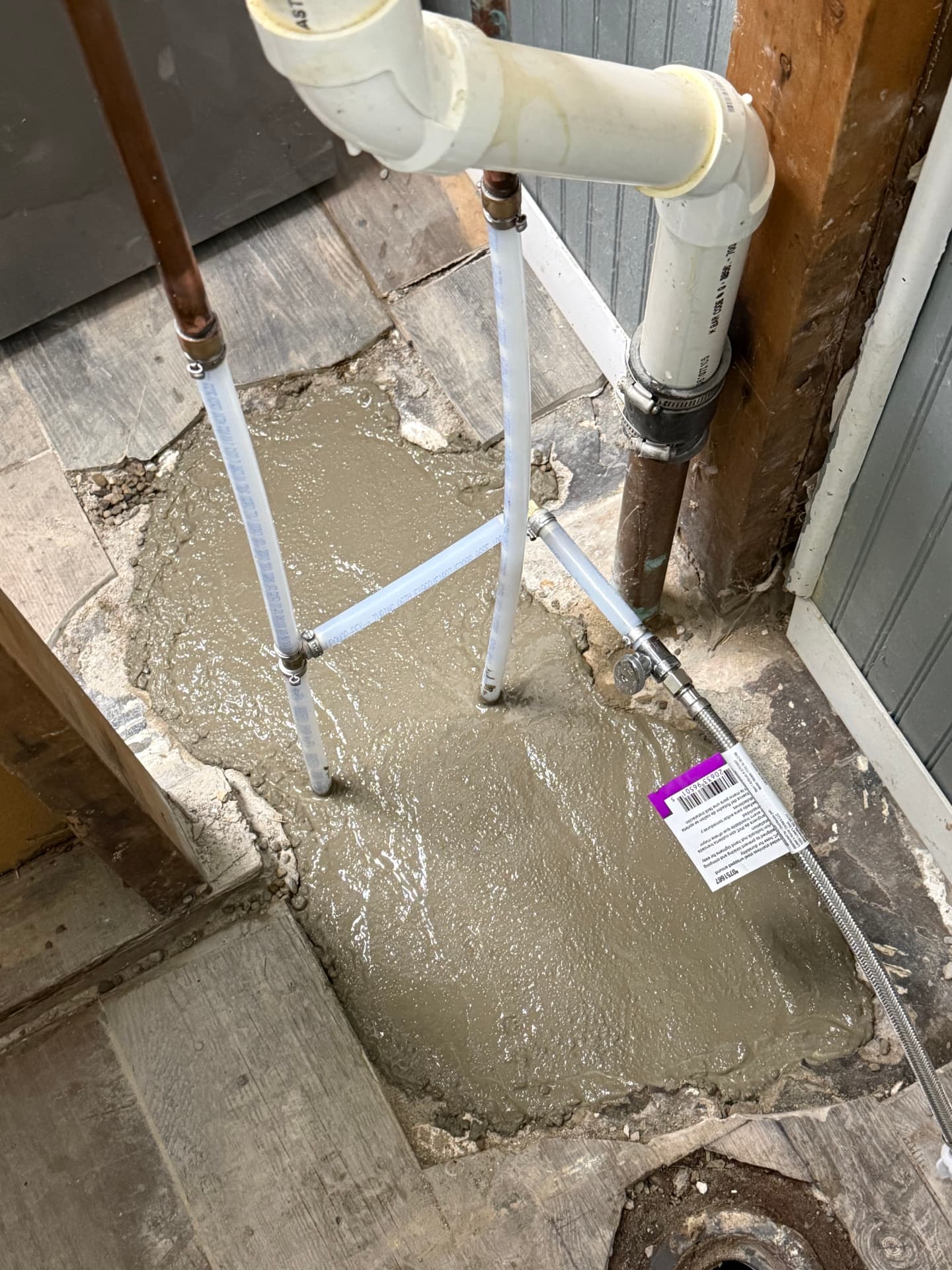
Photo slots awaiting Mike’s job-site images.
Answers
Frequently Asked Questions — Slab Leak Detection in Venice, FL
If you’ve read this far, you understand slab leaks better than most homeowners in this market ever get told. You know why Venice’s copper is fighting corrosion from both directions, what a warm floor actually means, and why the sequence — trace, percolate, listen — matters more than any single piece of equipment. If your water bill doesn’t add up or your floor feels warm where it shouldn’t, call 239-388-3631. We locate it precisely before anyone opens your floor.
Plumbing Detectives LLC | Venice, FL | License CFC1434139
239-388-3631 | plumbingdetectivesfl.com
Serving Venice, Nokomis, Sarasota, North Port, and Englewood.