
Slab Leak Detection · Bradenton Beach, FL
Slab Leak Detection in Bradenton Beach, FL
Pulsar 2000 line tracing, thermal imaging, moisture mapping, acoustic pinpointing. Pre-drywall rebuild verification, absentee-owner scans, post-storm moisture. Licensed master plumber CFC1434139.
Call Now239-388-3631The Bottom Line: Thermal Leak Detection & Diagnostic in Bradenton Beach — $295. Full Documentation Package with thermal images, written report, and a complete Meta smart glasses POV inspection video delivered in 24–48 hours — $375; larger whole-home pre-drywall rebuild verification scopes quoted per project (as of mid-2026). Bradenton Beach is not a normal leak detection market right now, and this page won’t pretend it is. Helene put roughly four feet of Gulf water through most of this city, Milton followed two weeks later, damage assessments touched the overwhelming majority of structures, and the island is still mid-rebuild — demolitions, elevations, and renovations running block by block. In a city where seven in ten homes sit empty most of the year, the two most valuable services this equipment offers here aren’t traditional leak hunts at all: verifying a rebuild is actually dry before the new walls close, and watching an empty house for the owner who isn’t there.
My name is Mike Reynolds. I’m the owner of Plumbing Detectives LLC, a licensed master plumber — license CFC1434139 — based in Venice and serving Anna Maria Island. Plumbing Detectives LLC’s work has been featured on AP News, Apple News, Business Insider, MarketWatch, and Yahoo Finance.
I wrote on my Bradenton Beach repiping page that this island’s rebuild deserves straight talk instead of storm-chasing, and the same rule governs this page. Hidden moisture is the quiet legacy of what happened here — salt water that went into walls, floors, and cavities, got dried out or didn’t, and will spend the next decade revealing which. Thermal imaging is one of the only non-destructive tools that can answer that question, and nobody serving this island is offering it the way this page does. Here’s what that looks like, what it costs, and why the most important scan on Bradenton Beach happens before the drywall goes up.
Pre-Drywall Verification
The Pre-Drywall Verification — The Most Important Inspection on This Island Right Now
Homes across Bradenton Beach are open right now — gutted, elevated, mid-renovation, framing exposed. That state will not last, and it is the single best moment this island will ever have for one specific question: is this structure actually dry before we seal it?
Here’s why the question deserves more than a contractor’s nod. Salt water intrusion is patient — moisture that survived the muck-out inside a sill plate, a wall cavity, or under a subfloor doesn’t announce itself during the rebuild. It waits behind the new drywall and reveals itself over the following years as odor, staining, corrosion, and mold, in a house that was supposedly made whole. Once the walls close, checking becomes destructive; while they’re open, it’s thermal imaging and moisture-meter verification reading every cavity, done in hours and documented permanently.
The deliverable is the point: a timestamped record — thermal images, written findings, moisture readings, and a complete POV video of the inspection — establishing that the structure was verified dry on the date the walls closed. That documentation works in every direction this island’s situation demands. It goes in the rebuild file as proof of diligence. It answers the future buyer’s question before it’s asked — and in a market where Florida law requires sellers to disclose known flood damage history, professional documentation that the rebuild was verified clean is precisely the paper you want attached to the property. And for insurance conversations about the rebuilt home, it’s the difference between “the contractor said it was fine” and dated, imaged evidence.
No company serving Anna Maria Island offers this inspection. The rebuild window is open now. That’s the whole pitch.
The Empty House Problem
The Empty House Problem — Seven in Ten Homes Have Nobody Watching
Bradenton Beach’s other defining number: roughly 70% of housing units here sit vacant most of the year — half of them seasonal and recreational homes whose owners are a thousand miles away for months at a stretch. A slow leak in an occupied home gets noticed in days. A slow leak in an empty island home runs from May to November — a supply line weeping into a wall cavity, a water heater connection letting go in an empty garage, humidity and moisture compounding in a closed-up house — and the owner finds out in season, when it’s a restoration project instead of a repair.
For absentee owners and rental managers, I offer the obvious answer nobody else on this island has put in writing: scheduled thermal inspection visits while you’re away. A scan of the walls, ceilings, slab paths, water heater, and fixture connections; the water status verified; findings documented with thermal images and the POV video, delivered to your Google Drive wherever you are. Book one before you leave for a documented baseline, one mid-summer for peace of mind, or a pre-arrival scan so the house is verified sound before you land. Frequency is your call — this is a service built around your calendar, not a subscription trap. It’s the same insight behind the smart-valve systems marketed to island owners, delivered instead as a licensed master plumber’s eyes on your actual walls, with evidence you can watch.
The Standard Profile
The Ordinary Leaks Haven’t Gone Anywhere Either
Underneath the storm story, Bradenton Beach still has the standard island leak profile: ground-level older homes — the median build here is 1973, with cottages reaching back to the 1930s — carrying aging copper in the pinhole window; slab leaks in the pre-elevation stock; salt air relentlessly corroding every exposed fixture, hose bib, and connection on the Gulf side of everything; and the region’s hard water working on pipe interiors from the other direction. The detection discipline is the same as everywhere I work — and on an island where so much of the housing is older, ground-level, and empty most of the year, that discipline just matters more.
The Method
How I Actually Find It — Trace, Then Percolate, Then Listen
Every tool I use answers one specific question. None of them do everything, and I’ve never met a single instrument that replaces the other three.
I run a Mileseey TR20 professional thermal imaging camera, a moisture meter, a Pulsar 2000 line tracer, and geophone acoustic listening equipment — in that order, as one system, on every visit I run here, whether it’s a leak hunt, a rebuild verification, or an absentee-owner check. Named equipment, honestly positioned, the same way I name the Plumber’s Vision system on my sewer pages and Uponor ProPEX on my repipe pages — no company serving this island names its equipment, and verifiable beats vague.
Thermal imaging finds the neighborhood. The TR20 sees temperature, not water. Hidden moisture changes how surfaces hold heat — a damp cavity reads as an anomaly against the dry material around it, which is exactly why it’s the right instrument for post-storm and pre-drywall verification. A hot supply line leaking under a slab paints a warm plume on the floor above.
A moisture meter confirms what the camera thinks it’s seeing— critical on a rebuild, where old storm staining can look like a live problem when the material is actually dry now.
The Pulsar 2000 traces the exact pipe, not the whole slab or the whole wall run. I clamp a lead to the target line, energize just that branch, and follow the wand along the pipe’s actual route — the same precision that matters on a ground-level 1970s cottage leak call as it does mapping a supply line before a rebuild closes around it.
Then I make it talk, and the geophones pinpoint the exact spot. With the line isolated and drained, compressed air agitates the water around a leak into a far louder disturbance, and two geophone heads along the traced line pinpoint exactly where the sound is loudest and even in both ears.
And the honest limits: hot water leaks and hidden moisture are thermal imaging’s best cases. Cold water leaks can read faintly or, depending on depth and flooring, not at all — that’s what the rest of the sequence is for. When the full sequence still doesn’t give enough evidence, we pressure test to isolate the losing line or make one small targeted opening exactly where the evidence points. In a documentation context — a rebuild file, an insurance conversation, a sale — that discipline matters double: the report says what was proven, never what was assumed.
Published
What It Costs — Published
Thermal Leak Detection & Diagnostic — $295
Mileseey TR20 thermal scan, full visual plumbing inspection, targeted imaging of every suspect wall, ceiling, and slab area, Pulsar 2000 tracing and geophone pinpointing when thermal alone doesn’t close the case, findings explained on site with you at the screen, written findings report, and a straight recommendation.
Thermal Leak Detection + Documentation Package — $375
Everything above, plus the complete inspection video recorded from my point of view on Meta smart glasses, the full thermal image package, and photo documentation — delivered to your Google Drive within 24 to 48 hours, guaranteed, or the documentation upgrade is refunded. This is the package built for absentee owners, pre-purchase scans, and every situation where the evidence is the point.
Whole-home pre-drywall rebuild verification — quoted per project. A full rebuild verification — every cavity, every level, Pulsar 2000 line mapping and moisture-meter confirmation throughout, complete documentation package — is scoped to the individual structure, because a 1,200-square-foot cottage and a three-story elevated rebuild are not the same job. Call with your rebuild timeline and you’ll get a real number before you commit to anything.
(Pricing as of mid-2026.) Island leak detection pricing is effectively unpublished — nobody serving Bradenton Beach shows a number. Mine is on the page, and the documentation deliverable behind it doesn’t exist anywhere else in this market at any price.
Plumbing Detectives LLC Professional Opinion
If your Bradenton Beach rebuild is approaching drywall, stop and get the structure verified dry first — not because your contractor is careless, but because salt water hides where nobody’s job description looks, and once the walls close, the question becomes expensive to ask. One documented afternoon with this equipment, while everything is still exposed, protects the entire investment going up around it. Rebuilding this island right is measured in decades. Verifying it dry is measured in hours. Do the hours.
The Process
Step by Step — And What Happens When Something Is Found
Same discipline as every service I run: the purpose conversation first — an active symptom, a rebuild verification, an absentee baseline, or a pre-purchase scan are different visits and get scoped honestly. Visual inspection before the equipment comes out. Then thermal imaging, moisture verification, Pulsar 2000 tracing, and geophone pinpointing as needed — targeted to the evidence or systematic across the structure depending on the scope — with findings shown live. Plain-language explanation of what the evidence proves and what it doesn’t. Then the written report.
When something is found, the honest decision tree applies: an isolated failure gets a targeted repair; a slab leak in aging copper usually earns the overhead reroute recommendation — pressurized supply lines don’t belong under slabs, on an island least of all; a pattern of failures moves the conversation to my Bradenton Beach repiping page; and moisture findings in a rebuild go into a documented report written to be handed to your contractor, your adjuster, or the city. When nothing is found, I tell you nothing was found — and on this island, the documented clean result is frequently the entire value of the visit.
Any repair requiring a permit gets one, filed with the City of Bradenton Beach — and on an island working through an active rebuild cycle under FEMA’s substantial damage framework, doing it permitted and papered isn’t bureaucracy, it’s protecting your property’s record. For questions about the 50% rule and your specific structure, the city’s building and floodplain officials are the authority — I document plumbing and moisture conditions; I don’t make FEMA determinations, and anyone who tells you otherwise is selling something.
Plumbing Detectives LLC Tips
Leaving the island for the season? Two moves before you go: shut off the main water supply — the single best leak prevention that exists for an empty house — and get a documented baseline scan. If anything happens while you’re gone, you’re holding timestamped proof of the home’s condition the day you left.
Buying on Bradenton Beach right now? Every property here has a storm history question, and Florida law requires sellers to disclose known flood damage. A pre-purchase thermal scan is your independent answer to “how dry is this house really” — a few hundred dollars of due diligence on a seven-figure island purchase. My own home inspection didn’t include one; yours won’t either unless you add it.
Mid-rebuild and the drywall is scheduled? Call before that date, not after. The verification only works while the cavities are exposed — it’s the one appointment in the whole rebuild that can’t be done later.
The free test for occupied island homes on city water: everything off, read the meter, wait two hours, read again. Movement means water is leaving the system — and in a ground-level 1970s island home, a moving meter with nothing visible is the classic slab presentation.
Why Us
Why Plumbing Detectives LLC
No company serving Anna Maria Island names its equipment, offers pre-drywall rebuild verification, or runs a scheduled inspection service for absentee owners. I run thermal imaging, a moisture meter, the Pulsar 2000 line tracer, and geophone acoustic detection as one integrated sequence — trace the line, percolate the leak, listen for the exact spot — on a leak call, a rebuild verification, or a check on a house nobody’s home to watch. That same diagnosis-first philosophy is why I run camera inspections on every sewer line before recommending a repair — you locate the problem, then you cut. Licensed, documented, evidence-verified leak detection and sewer work under one company. License CFC1434139. Fully insured.
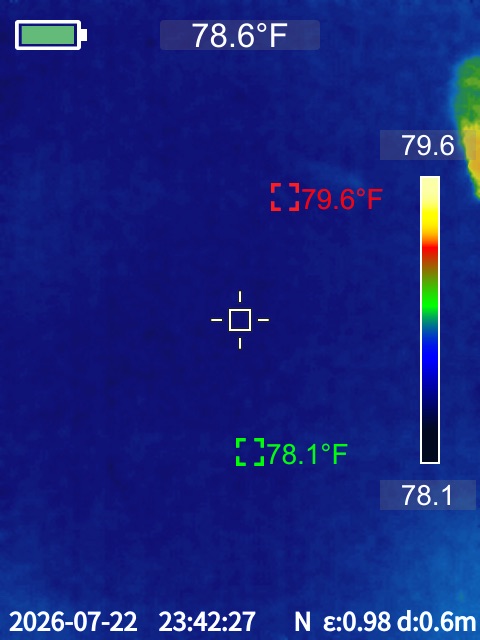
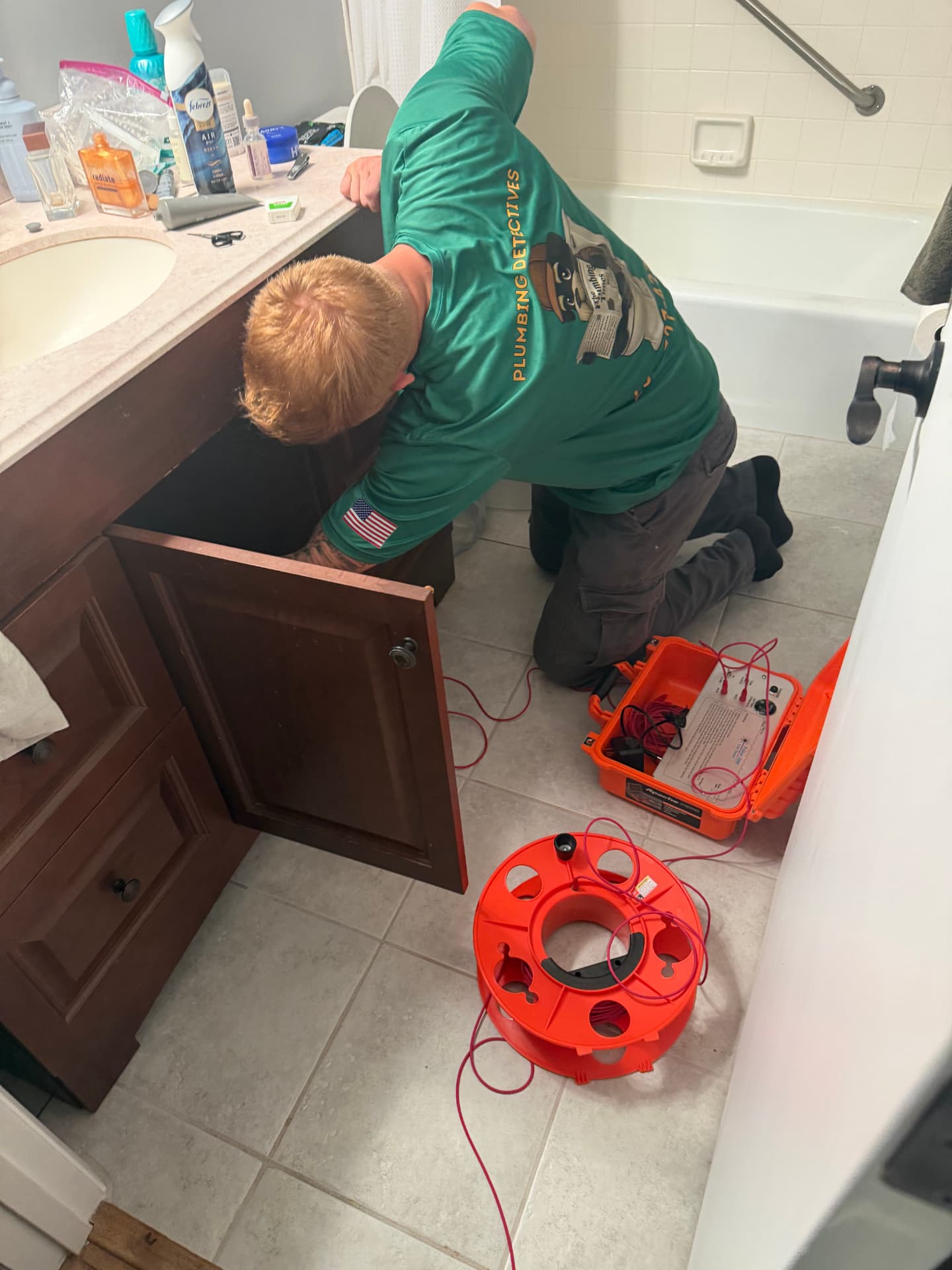
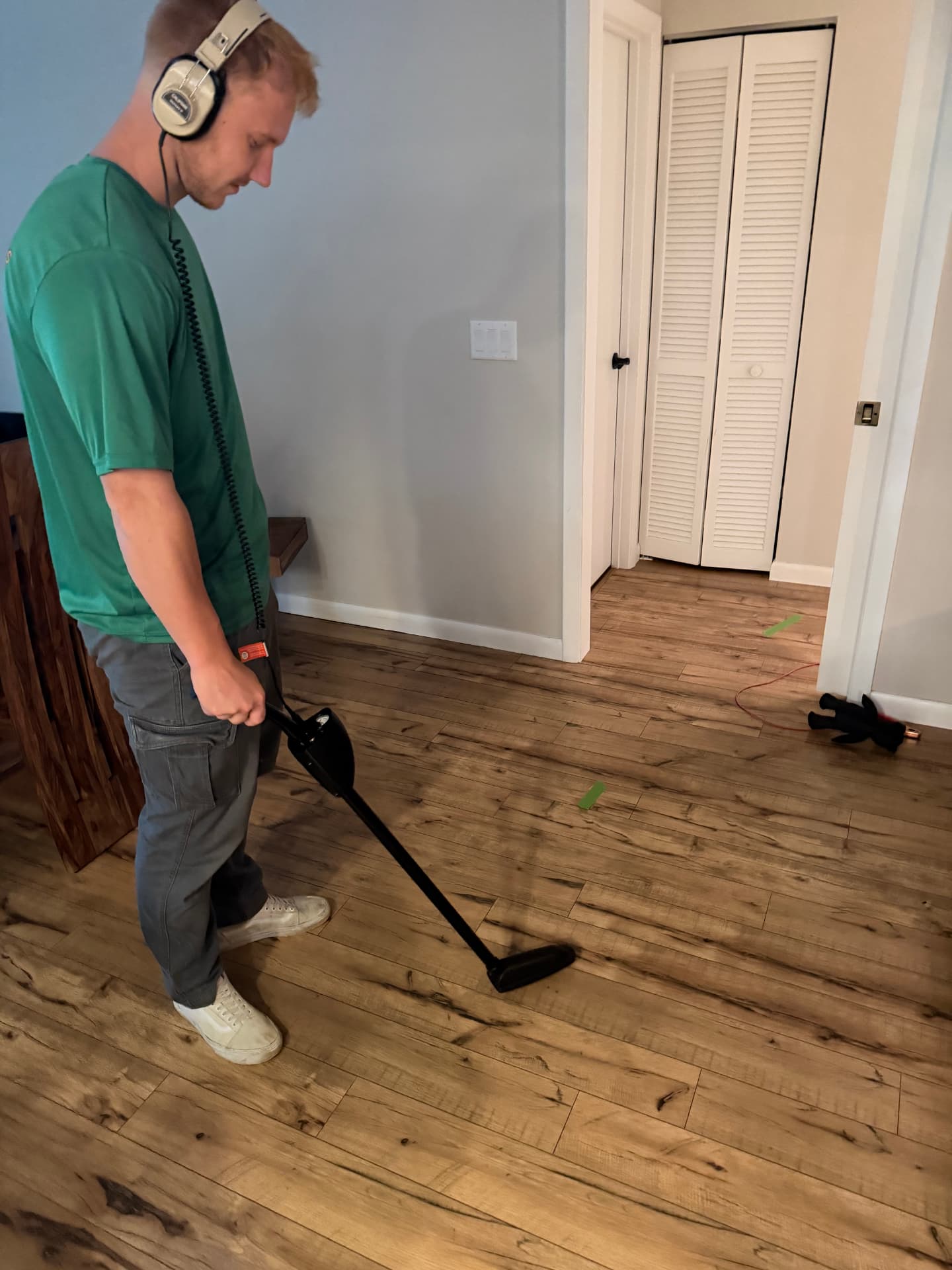
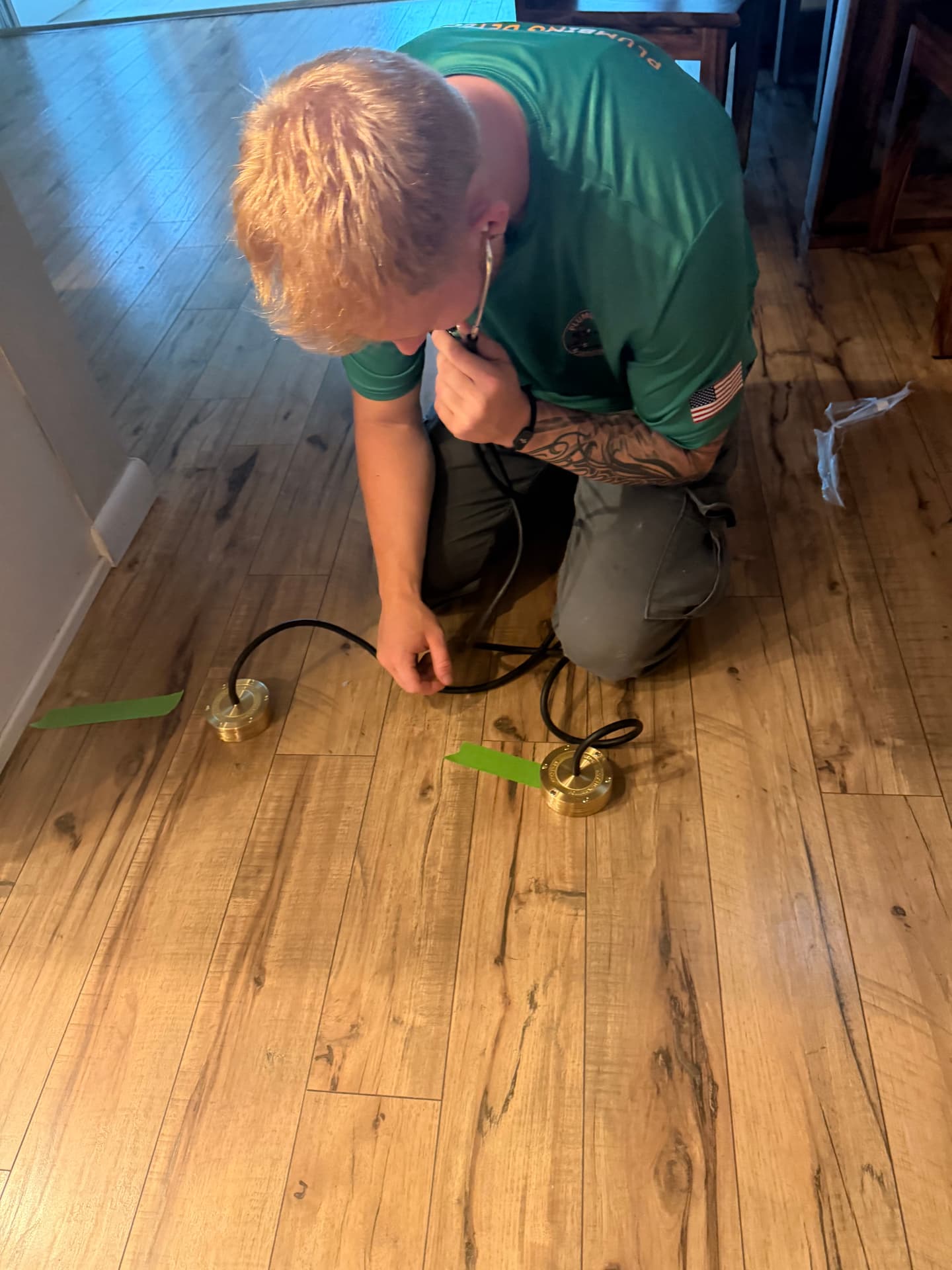
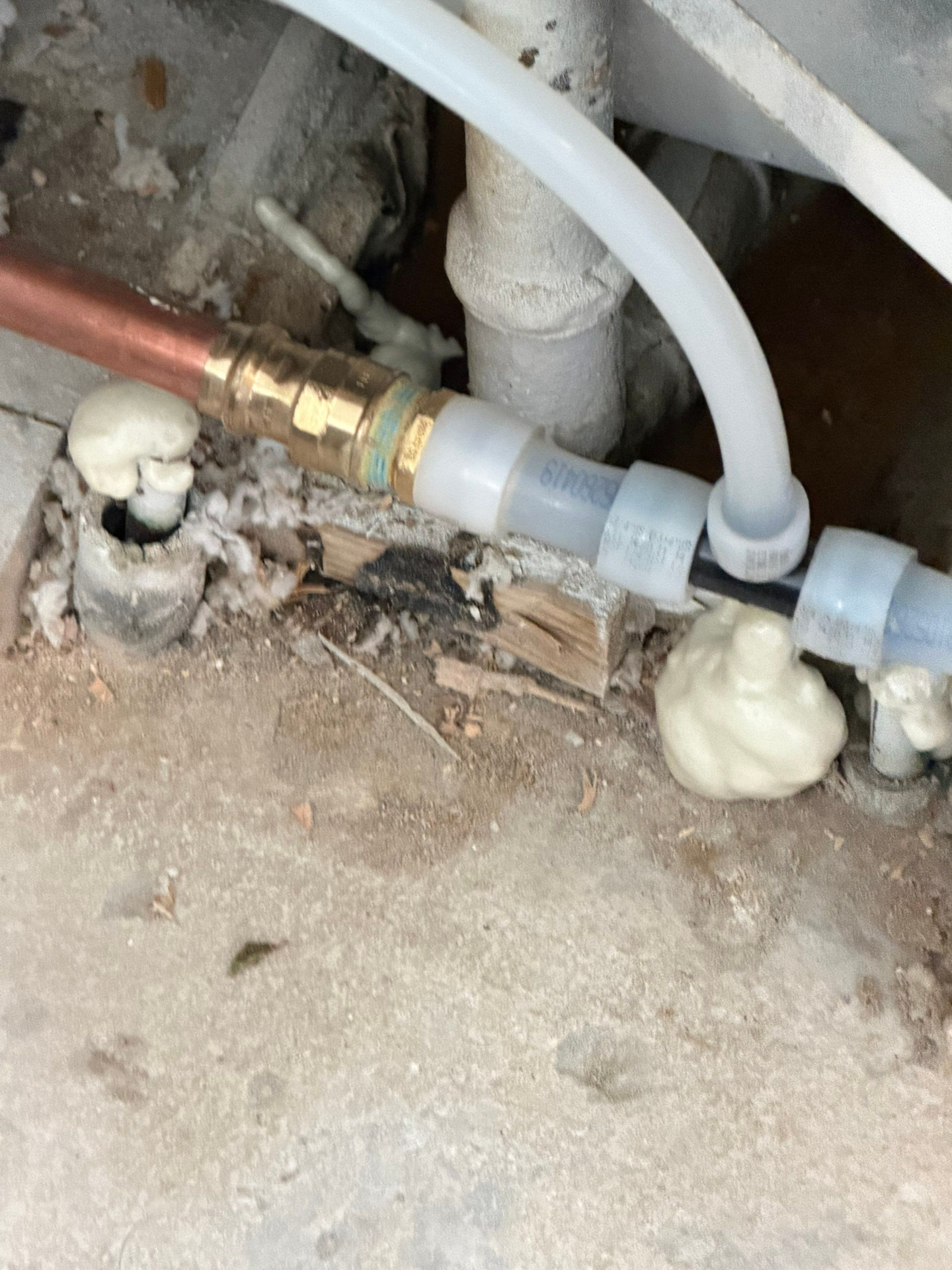
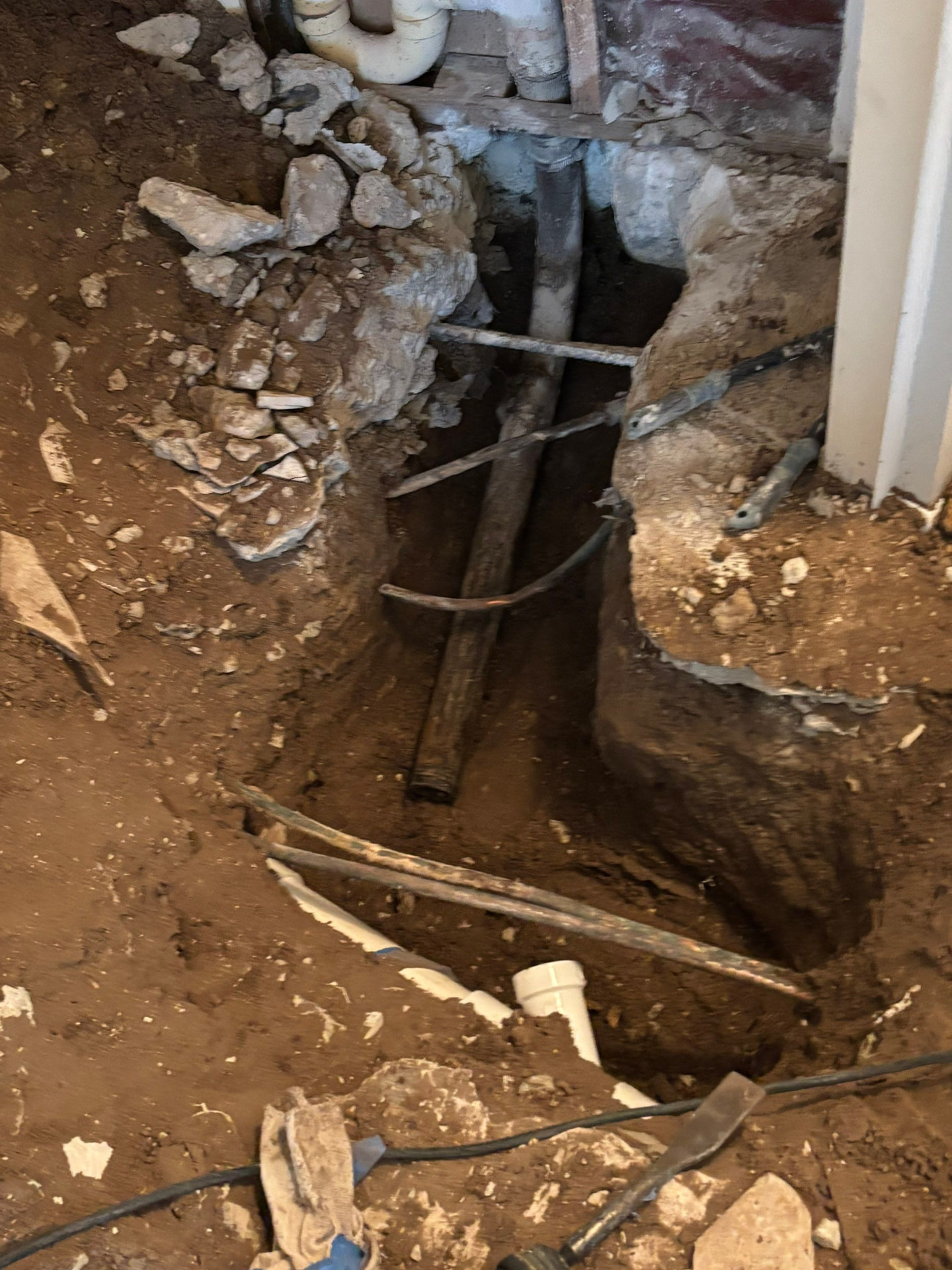
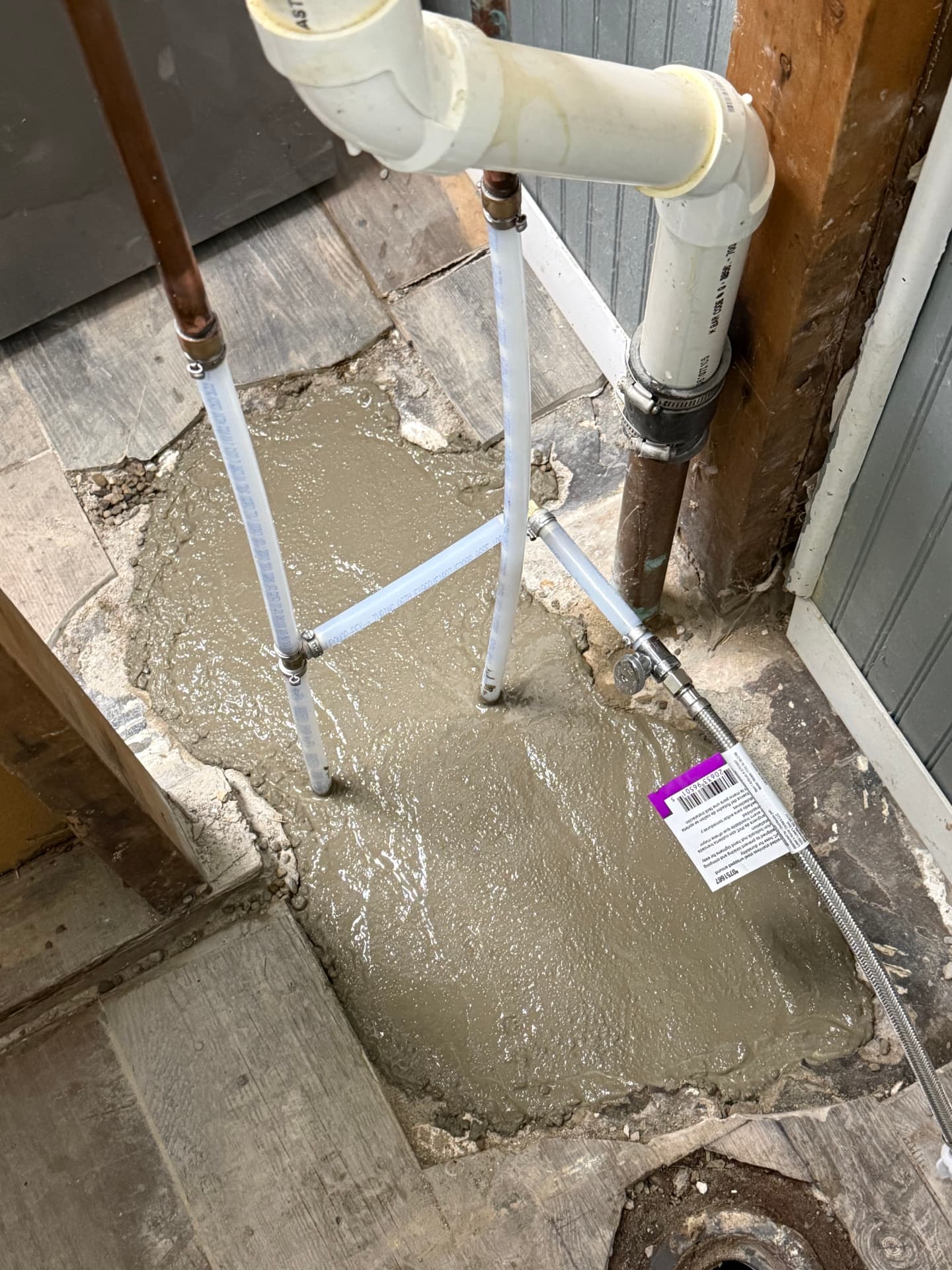
Photo slots awaiting Mike’s job-site images.
Answers
Frequently Asked Questions — Slab Leak Detection in Bradenton Beach, FL
If you’ve read this far, you understand what this island’s situation actually asks of a leak detection company — not just finding the drip under the sink, but verifying rebuilds dry before they close, watching the empty houses nobody’s home to watch, documenting conditions in a market where every transaction now comes with a storm-history question, and saying plainly what this equipment proves and what it can’t. Bradenton Beach is rebuilding for the next fifty years. The scan takes an afternoon and the documentation lasts as long as the house. If your rebuild is approaching drywall, your island home sits empty half the year, or you’re buying into this market and want the real answer about the walls — call me at 239-388-3631.
Plumbing Detectives LLC | Venice, FL | License CFC1434139
239-388-3631 | plumbingdetectivesfl.com