
Water Softeners & Water Filtration · Englewood, FL
Water Softeners & Water Filtration in Englewood, FL
Sized to your actual water test, not a sales pitch. Licensed master plumber CFC1434139.
Call Now239-388-3631I get a lot of calls in Englewood from part-time residents who just got back after a summer away — the softener’s been sitting unused for months, the water in the pipes has been stagnant, and sometimes there’s a smell or a taste that wasn’t there in April. That’s a different problem than most of my water treatment calls, and it points to something worth saying up front about this market: Englewood’s municipal water isn’t nearly as hard as the ZIP-code lookup sites will tell you. I’m not going to sell you a bigger system than you need just because a website said “very hard.”
My name is Mike Reynolds — owner of Plumbing Detectives LLC, licensed master plumber, CFC1434139, based in Venice and serving Englewood regularly. This page is the honest version of the conversation, and in Englewood’s case, honest means telling you your water treatment needs are probably smaller than you’d expect — with a few real exceptions depending on where you live.
The Chemistry
What’s Actually in Englewood Water
Englewood is served by the Englewood Water District (EWD) — an independent utility that’s unusual in Florida because it crosses two counties, covering both the Sarasota County side (34223) and the Charlotte County side (34224, sometimes called Grove City). EWD draws from a blend of four freshwater wellfields, treated at their lime softening plant, and two brackish wellfields, treated by reverse osmosis, with the two finished waters mixed before distribution.
Here’s the part that matters most, and it’s the reason this page reads differently than most water treatment pages you’ll find for this area: EWD’s own lime softening plant page states plainly that raw water enters their treatment process at about 300 mg/L (17.5 grains per gallon) and leaves the plant at about 78 mg/L (4.5 grains per gallon). That’s a genuinely well-run treatment system — and it means EWD’s finished water is NOT in the “very hard” category, whatever a generic ZIP-code hardness website tells you.
I want to be straight about why those websites disagree so much. One of them reports 390 ppm for Englewood — that’s a raw, untreated county groundwater estimate, not EWD’s actual finished product. Another reports a number in the 369 ppm range for the EWD system specifically, which may reflect an older or pre-treatment data point rather than what EWD’s lime plant is actually producing today. EWD’s own published number — 78 ppm leaving the plant — is the most reliable figure available, though the fully blended distribution hardness after mixing with the RO side may run somewhat higher, likely in the 80–150 ppm range depending on the day’s blend ratio. That’s still “moderately hard to hard,” not “very hard.”
If you’re on a private well instead of EWD — mainly a Manasota Key or coastal situation — this section doesn’t apply to you at all. See below.
Every estimate I give still starts with an in-home water test. The point of being honest about EWD’s numbers isn’t to skip the test — it’s to make sure you don’t get sold a system sized for water that’s twice as hard as what’s actually coming out of your tap.
The Damage
What Englewood Water Actually Needs Treated
Because EWD’s hardness is moderate rather than extreme, the water treatment conversation here shifts. The real issues are:
Chloramine taste and odor. EWD confirms chloramine as its disinfection method, and standard carbon filters don’t remove it effectively — more on that below.
Sodium already in the water. EWD’s own water quality reporting shows sodium around 43 ppm before you add anything — worth knowing if you’re on a sodium-restricted diet, since it changes how I’d approach a softener recommendation.
Homes that sit empty part of the year. If you’re a seasonal resident, water sitting in pipes and in an unused softener’s resin bed for months can develop biofilm, and scale can concentrate in fixtures through evaporation while the house sits closed up. This is a genuinely Englewood-specific service need — not a hardness problem so much as a “the system needs to be checked before you turn it back on” problem.
Cast iron drains in pre-1990 homes. Englewood’s median home was built around 1982, and a large share of the housing stock predates 1990 — the era when cast iron drain lines were standard. Softer water does reduce internal scale buildup in those pipes over time, but a softener is not a substitute for having those drains inspected.
The Equipment
The Equipment, Honestly — What Each System Does and Doesn’t Do
Whole-house carbon filtration removes chlorine, chloramine, taste, and odor. It does not touch hardness. Since EWD uses chloramine, standard activated carbon barely touches it — it takes catalytic carbon. Our Safety Zone WHF series uses catalytic coconut shell carbon, the media grade that actually breaks chloramine down. For most EWD customers testing in the 78–150 ppm range, this is the primary system that actually addresses what’s in your water.
A salt-based softener removes hardness. Whether you need one in Englewood genuinely depends on your test result. If you’re testing closer to EWD’s own 78 ppm figure, a full softener may be more than you need — the math below shows why. If your blended distribution water tests closer to 150–200 ppm, a properly sized Safety Zone WC softener (32,000–48,000 grain range) makes sense alongside the carbon filter.
The RO-4 handles the drinking water question, and it earns its keep here for two specific reasons: it addresses the sodium content already in EWD’s water for anyone watching their intake, and it’s the most reliable answer if there’s ever a concern about lead from older in-home plumbing (EWD’s own testing has shown lead readings near the action level at some sampling sites — not from their mains, but from plumbing inside individual homes).
Private well customers — Manasota Key and coastal properties— are working with completely different water and need a different approach: a full well water panel first (this area has documented saltwater intrusion risk into the aquifer), RO for drinking water essential, and iron/sulfur filtration or a green sand/KDF filter if those show up in your test. Softener sizing here gets based entirely on your actual well results, not on any EWD figure.
Salt-free “conditioners” — including the Crown5 we carry — reduce scale sticking without removing hardness. At EWD’s actual treated hardness levels, this is one of the few markets in our service area where a salt-free conditioner is a genuinely reasonable primary option for some households, not just a niche fit.
Straight Answer
“What About the Halo 5?” — The Honest Answer
The Halo 5 is a multi-stage whole-house filtration and conditioning system — real carbon filtration for chlorine, taste, and odor, plus a salt-free conditioning stage. In a market like Venice or Laurel, running 20+ GPG, I tell people the conditioning stage doesn’t replace what a softener does. In Englewood, that gap matters less, because EWD’s own water often doesn’t need aggressive softening in the first place.
Where the Halo 5 still falls short here: it doesn’t specifically target chloramine the way catalytic carbon does, and it doesn’t touch the sodium already in your water. If your priority is chloramine removal and sodium management, a carbon-focused system plus the RO-4 is the more precise fit than a general conditioner — but this is genuinely one of the more competitive markets for a product like the Halo 5, and I’ll say so plainly rather than manufacture a bigger problem than you actually have.
Plumbing Detectives LLC Professional Opinion
Englewood is the one market in our service area where I’ll tell you upfront: you may not need what a website told you that you need. EWD’s own published numbers show their treated water isn’t “very hard.” Get your tap tested before you buy anything — the honest answer might be a chloramine filter and nothing more, and I’d rather tell you that than sell you a softener you don’t need.
The Math
How We Size a System — The Actual Math (When One Is Actually Needed)
Daily grain load = people in the home × roughly 75 gallons per person per day × your tested hardness in GPG. A three-person Englewood household on EWD water testing near the utility’s own 4.5 GPG figure: 3 × 75 × 4.5 = 1,013 grains per day — about 7,090 grains a week. That’s genuinely small, and it’s a fair question whether a full softener is worth it at that level versus a carbon filter and a scale-inhibiting conditioner. If your test comes back closer to the higher end of the blended distribution range — say 8–10 GPG — the math changes and a properly sized softener starts to make more sense. Either way, the number comes from your test, not an assumption.
Local Context
Manasota Key Wells, the 13% Still on Septic, and Homes That Sit Empty All Summer
Englewood has three situations that don’t show up in a typical hardness conversation:
Coastal and Manasota Key wells are a different water source entirely. If you’re on a private well near the coast, saltwater intrusion into the aquifer is a documented risk in this part of Florida, and it can mean elevated TDS and chloride that EWD customers never deal with. A full well panel — not just a hardness test — is the right starting point.
About 13% of EWD customers are still on septic, concentrated more in the Charlotte County/Grove City and Manasota Key areas where sewer infrastructure hasn’t fully reached. If that’s you, the same rule applies as everywhere else I work: before installing a salt-based softener, we talk about brine discharge first. Softener regeneration produces a sodium-rich brine that can affect soil permeability in a drain field over time — the options are a salt-free conditioner, a high-efficiency metered softener with minimized salt dose, or a separate brine discharge point, and I’ll help you figure out which one fits your property.
Gottfried Creek and Lemon Bay carry documented water quality impairments for bacteria. This is relevant if you’re on a private well near either waterway — it’s a legitimate reason to test for bacteria, not a reason to assume your well is unsafe.
If you’re a part-time resident, have your system checked before you start using it again after months away — stagnant water and an idle softener’s resin bed are worth a look before you assume everything’s working the way it was in the spring.
The Work
Installation — What a Proper Job Looks Like
The tee order is the design. Irrigation and outdoor hose bibs tee off before the treatment equipment. The kitchen cold line can bypass any softener so drinking water stays untreated, or feeds the RO-4. Carbon goes ahead of any softener in the line.
Englewood’s housing stock skews older — median build year around 1982 — which means two things worth checking while I’m already on site: homes built between 1978 and 1995 fall inside the polybutylene supply-pipe window (Citizens Property Insurance won’t cover a home with polybutylene plumbing, and a 4-point inspection that flags it can trigger a 30-day cancellation notice), and pre-1990 homes commonly still have their original cast iron drain lines.
Florida garages and coastal-exposure equipment take a beating from heat, humidity, and salt air, especially near Manasota Key. Placement and shading get planned, not improvised.
Drains get air gaps. Period. The softener’s regeneration discharge and the brine tank overflow are two separate lines, each with a proper air gap.
Permits: water treatment installation that cuts into the potable supply is plumbing work under my license, permitted through whichever county your address falls in — Sarasota County for 34223, Charlotte County for 34224. If a treatment company tells you no permit or license is involved in cutting your line, that tells you who they’re planning to send.
Plumbing Detectives LLC Tips
Been away for the season? Run your taps and check your softener before assuming everything’s fine — stagnant water and idle resin are worth a look first.
Don’t assume you need a full softener just because a website said Englewood water is “very hard.” EWD’s own numbers say otherwise for most customers — test first.
On a well near Manasota Key or the coast? Ask for a TDS and chloride test along with hardness — saltwater intrusion is a real, documented issue in this area.
Buying a house in Englewood built between 1978 and 1995? Get the supply pipe checked for polybutylene before you find out from your insurance company instead.
Pricing
What This Costs — Honest Context
Equipment spans a real range — carbon filtration, salt softening, salt-free conditioning, and the RO-4 at the kitchen sink all carry different investment levels depending on capacity, features, and what your specific water actually needs.
In Englewood specifically, that range often lands lower than in our other markets, because EWD’s water frequently doesn’t need the same level of treatment. What I won’t do is publish a price on this page before I’ve seen your test results. What I will do: start every estimate with the free in-home water test, show you the sizing math, and recommend only what your water actually needs — which, in this market, is sometimes less than people expect. Call 239-388-3631 and we’ll get you your actual numbers.
Why Us
Why Plumbing Detectives LLC
Most water treatment companies sell the same softener everywhere they go, regardless of what the local utility’s own data actually shows. In Englewood, that means a lot of homeowners get sold bigger systems than they need. We test first, and if the honest answer is a smaller job, that’s what I’ll tell you.
Camera-documented diagnostic work, code-compliant installs, one phone number. License CFC1434139. Fully insured.
Related Englewood work: Slab Leak Detection in Englewood, FL and Sewer Line Repair in Englewood, FL.
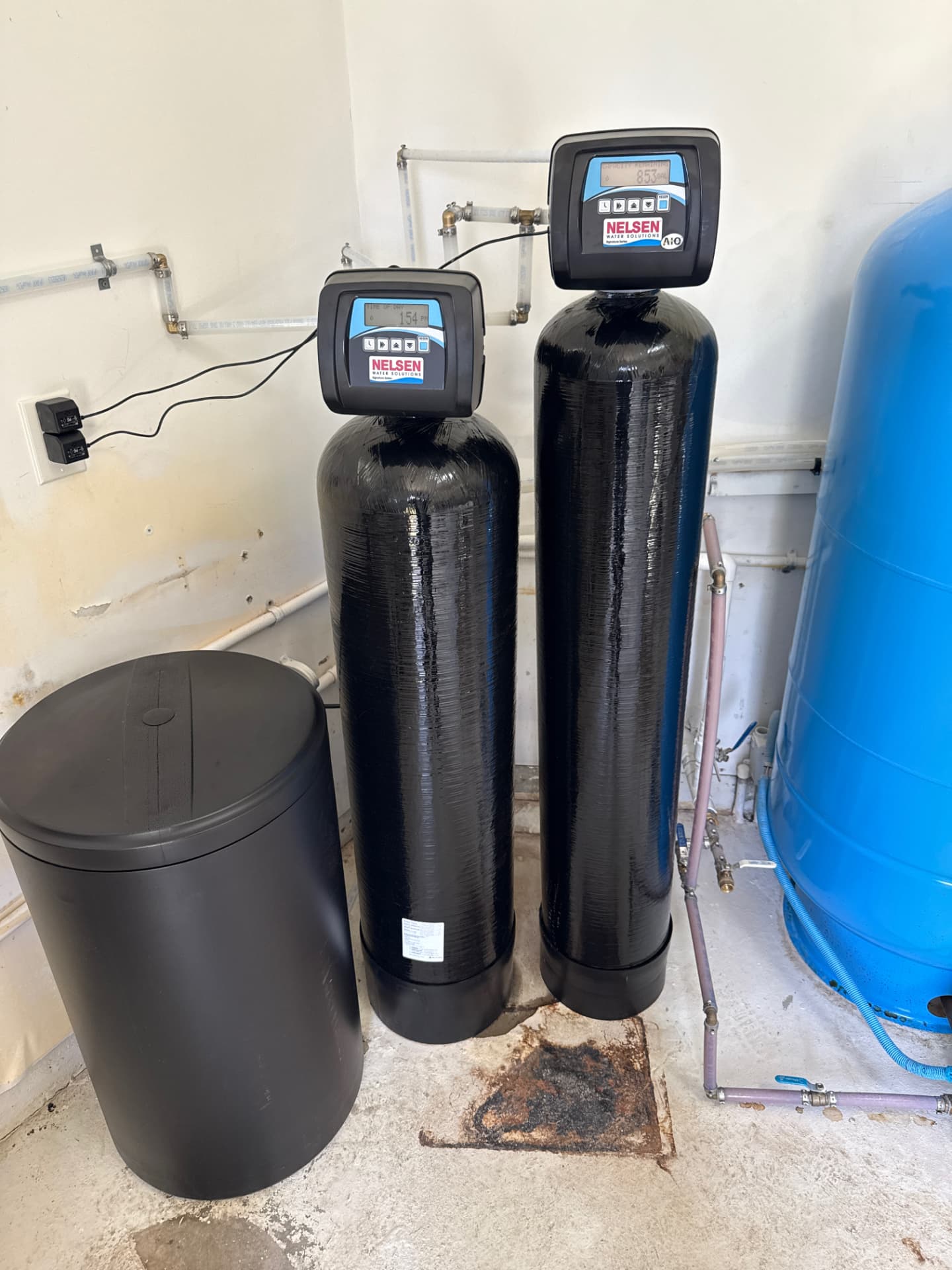
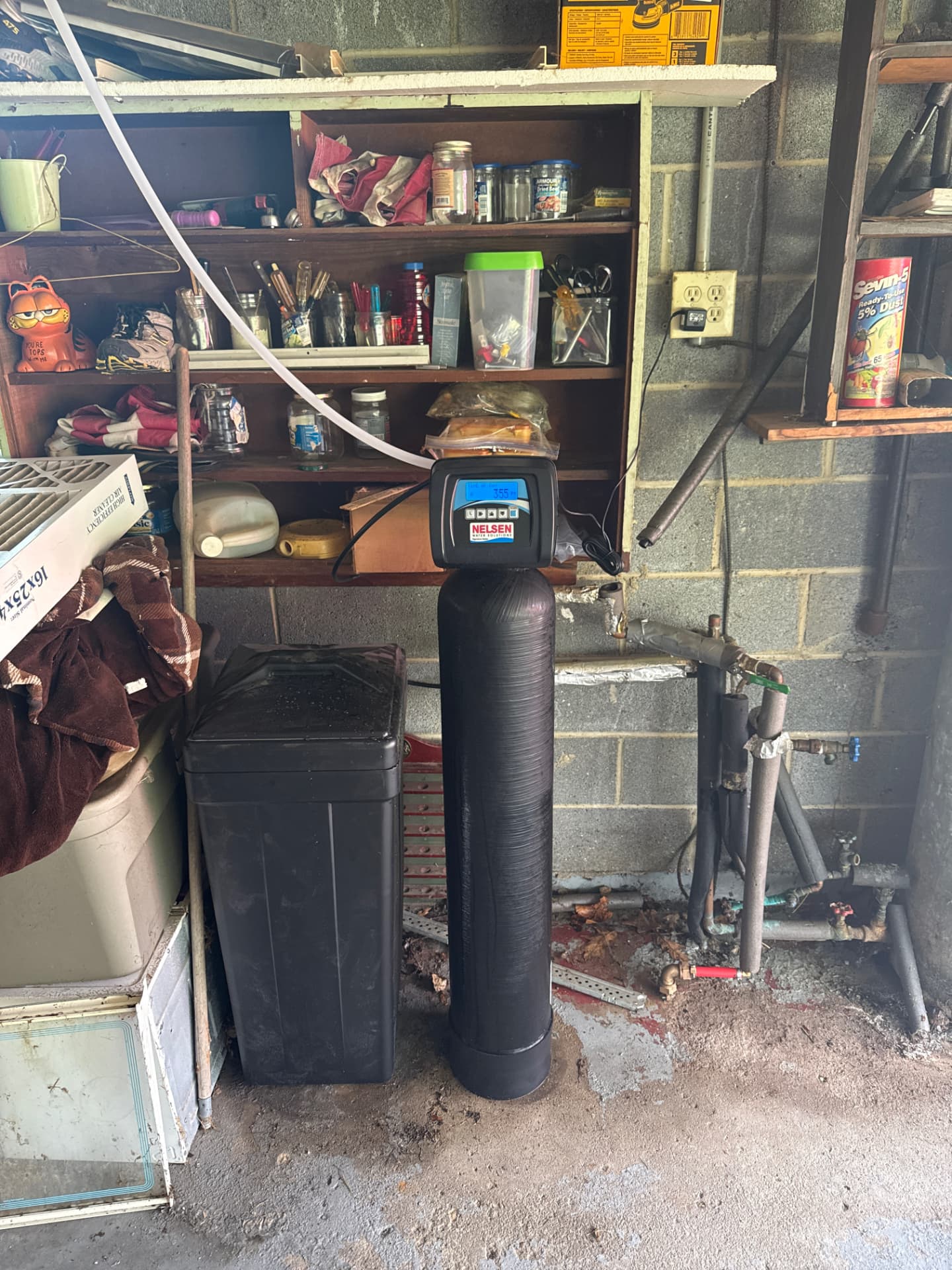
Photo slots awaiting Mike’s job-site images.
Answers
Frequently Asked Questions — Water Softeners in Englewood, FL
If you’ve read this far, you know more about Englewood’s actual water quality than most people selling treatment systems in this market — including the fact that EWD’s own numbers don’t support the “very hard water” pitch you’ll see elsewhere. If you want your actual numbers, call 239-388-3631 and we’ll start with the free water test.
Plumbing Detectives LLC | Venice, FL | License CFC1434139
239-388-3631 | plumbingdetectivesfl.com