
Slab Leak Detection · Wellen Park, FL
Slab Leak Detection in Wellen Park, FL
Pulsar 2000 line tracing, thermal imaging, moisture mapping, acoustic pinpointing. New-construction defects and pre-warranty-expiration inspections. Licensed master plumber CFC1434139.
Call Now239-388-3631The Bottom Line: Thermal Leak Detection & Diagnostic in Wellen Park — $295. Full Documentation Package with thermal images, written report, and a complete Meta smart glasses POV inspection video delivered in 24–48 hours — $375 (as of mid-2026). Here’s the truth nobody selling new homes mentions: new construction leaks too — not from corrosion, but from workmanship. Fitting failures, lines damaged by other trades, slab rough-in defects that can leak from day one. And Wellen Park homeowners have something older-home owners don’t: a builder warranty with a clock on it. A documented thermal inspection in month 11 — before the one-year workmanship coverage window closes — is how you make defects the builder’s problem instead of yours.
My name is Mike Reynolds. I’m the owner of Plumbing Detectives LLC, a licensed master plumber — license CFC1434139 — based in Venice, a few minutes up the road, and already working in Wellen Park. Plumbing Detectives LLC’s work has been featured on AP News, Apple News, Business Insider, MarketWatch, and Yahoo Finance.
My honesty about this market is already on the record: my Wellen Park repiping page exists mostly to tell you that you don’t need a repipe — your PEX-era construction isn’t a corrosion candidate, and I said so plainly. This page is the other half of that honesty. Because “new” doesn’t mean “leak-free,” and the leaks new homes get are a different animal entirely: they come from human hands, not from decades of water chemistry. Here’s what that means for your home, what the warranty clock has to do with it, and exactly what a documented inspection costs.
Why Here
How New Homes Leak — The Part the Sales Center Skips
Wellen Park’s homes are built with modern PEX and CPVC — the right materials, the current code. But materials are only half an installation. The other half is workmanship, done at production-builder speed, and that’s where new-construction leaks come from:
Fitting and connection failures. A crimp ring set at the wrong angle, an expansion connection made in a hurry, a fitting that passed the initial pressure test and then began weeping under months of daily pressure cycling. These are the most common new-home plumbing defects nationally, and nothing about a new community exempts it.
Lines damaged by other trades. A supply line nicked by a drywall screw, punctured during trim carpentry, or crushed slightly during another trade’s work — sealed inside the wall before anyone noticed. Some of these hold for a year. Some don’t.
Slab rough-in defects. Wellen Park is still slab-on-grade construction, and the under-slab rough-in — the sleeves, the stub positions, the connections made before concrete pours — can carry defects that leak from day one, invisibly, into the ground beneath brand-new flooring.
And the water is still the water. “New community” doesn’t mean new aquifer — this area sits on the same very hard groundwater as the rest of the corridor. That hardness doesn’t corrode PEX, but it works on fixtures, valves, water heater components, and every metal connection point from the day you move in.
None of this means your home has a problem. It means a new home’s plumbing deserves verification, not assumption — especially while someone else is still contractually responsible for fixing it.
The Clock
The Warranty Clock — Why Month 11 Is the Most Valuable Month You Own
Most Wellen Park builders convey some version of the standard 1-2-10 structure: roughly one year of workmanship coverage, two years on major systems — which typically includes plumbing distribution — and ten years structural. The exact terms vary by builder and contract, and I’d tell every homeowner to read their specific warranty documents. But the pattern is consistent, and so is the trap: the shortest, broadest coverage window closes first, and it closes quietly.
Here’s the play almost nobody in this community runs: a documented thermal inspection in month 11 — before the one-year window closes. The full sequence — thermal imaging, moisture verification, Pulsar 2000 tracing, and geophone pinpointing if a defect needs to be located precisely under new flooring — covers the walls, ceilings, slab paths, and fixture connections; the Documentation Package puts every finding on the record with thermal images, a written report, and a POV video, timestamped. If the scan finds a weeping fitting behind your laundry wall or a thermal anomaly along a slab run, you’re now holding professional documentation of a defect discovered inside your coverage window — submitted to the builder as their problem to fix, on their dime. If the scan finds nothing, you’re holding a documented clean baseline of your home’s condition at month 11, which has its own value for every future insurance conversation and resale.
Either result wins. That’s why the pre-warranty-expiration inspection is the single smartest few hundred dollars a new-construction homeowner spends — and as of this writing, nobody else is offering it in this market. Not the builders, obviously. Not the plumbing companies serving the community. This page is the offer.
(Two-year systems coverage creates a second, narrower checkpoint at month 23 — worth a calendar entry the day you read this.)
The Method
How I Actually Find It — Trace, Then Percolate, Then Listen
Every tool I use answers one specific question. None of them do everything, and I’ve never met a single instrument that replaces the other three — new construction or not.
I run a Mileseey TR20 professional thermal imaging camera, a moisture meter, a Pulsar 2000 line tracer, and geophone acoustic listening equipment — in that order, as one system, on every leak call I run. Named equipment, honestly positioned, the same way I name the Plumber’s Vision system on my sewer pages and Uponor ProPEX on my repipe pages, because in a market where every competitor says “advanced equipment,” a real model number is a differentiator by itself.
Thermal imaging finds the neighborhood. It sees temperature, not water. A weeping fitting cools the drywall around it as evaporation pulls heat away; a defect under a new slab paints a warm signature on the floor above. Hot water defects image beautifully; cold line defects can read faintly or not at all depending on depth and flooring.
A moisture meter confirms what the camera thinks it’s seeing. A thermal image can look like a leak and just be warm for some other reason. The moisture meter reads actual water content before anything else happens.
The Pulsar 2000 traces the exact pipe, not the whole slab. This matters even more in a warranty context than an old-house context: if a defect needs to become a builder claim, “somewhere near the laundry room” isn’t documentation — an exact traced line and a marked location is. I clamp a lead to the target line, energize just that branch, and follow the wand along the pipe’s actual route.
Then I make it talk, and the geophones pinpoint the exact spot. With the line isolated and drained, compressed air agitates the water around a leak into a far louder, more distinct disturbance. Two geophone heads a few feet apart along the traced line, listening for where the sound is loudest and even in both ears — that point is directly above the leak.
One cut, not a search pattern. Before anything gets opened — which matters on flooring that’s a year old — I scan for rebar, post-tension cable, and conduit so the cut doesn’t create a second problem. Then it’s one core drill or a small opening at the marked spot, not a search pattern across brand-new tile.
And the honest limits, because it’s the whole brand: when the full sequence still doesn’t give enough evidence, we don’t guess — we pressure test to isolate the losing line or make one small, targeted opening exactly where the remaining evidence points. In a warranty-documentation context, that discipline matters double: the report has to say what was proven, not what was suspected.
Published
What It Costs — Published
Thermal Leak Detection & Diagnostic — $295
Mileseey TR20 thermal scan, full visual plumbing inspection, targeted imaging of walls, ceilings, slab paths, and fixture connections, Pulsar 2000 tracing and geophone pinpointing when thermal alone doesn’t close the case, findings explained on site with you at the screen, written findings report, and a straight recommendation.
Thermal Leak Detection + Documentation Package — $375
Everything above, plus the complete inspection video recorded from my point of view on Meta smart glasses, the full thermal image package, and photo documentation — delivered to your Google Drive within 24 to 48 hours, guaranteed, or the documentation upgrade is refunded.
(Pricing as of mid-2026.) For a warranty-window inspection, the $375 Documentation Package is the one that does the job — the deliverable is the point. A builder warranty claim backed by timestamped thermal images, a traced and marked location, a written professional finding, and a POV video is a claim that gets handled. A phone call that says “I think something’s leaking” is a claim that gets scheduled for a look sometime.
Plumbing Detectives LLC Professional Opinion
If you closed on a Wellen Park home ten or eleven months ago, stop reading and check your warranty paperwork tonight. The one-year workmanship window is the broadest coverage you will ever have on this house, and it expires silently. A documented inspection before it closes costs a few hundred dollars and converts any hidden defect from your future expense into the builder’s current obligation. I have no relationship with any builder in this community — which is exactly what you want in the person doing this inspection.
The Process
Step by Step — And What Happens If Something Is Found
Same discipline as every service I run: the symptom or purpose conversation first (a warranty baseline scan is a different visit than a wet-drywall mystery), visual inspection before the equipment comes out, then thermal imaging, moisture verification, Pulsar 2000 tracing, and geophone pinpointing as needed, with you at the screen the whole time. Plain-language explanation of what the evidence shows and doesn’t. Then the written report.
If a defect is found inside your warranty window, the report is written to be submitted — findings, exact traced locations, images, timestamps — and the fix is the builder’s to make. If it’s outside the window or the builder route fails, you get the same honest options as any customer of mine: targeted repair at the marked location, and permits pulled where required through Sarasota County Planning and Development Services, the authority for Wellen Park. And if the scan is clean, I’ll tell you it’s clean, hand you the baseline documentation, and that’s the visit — this is a diagnosis, not a sales funnel. My repipe page for this community already proved I’ll tell Wellen Park homeowners what they don’t need.
Plumbing Detectives LLC Tips
Put two dates on your calendar the day you close: month 11 (workmanship window inspection) and month 23 (systems window check). Those two entries are worth more than any smart-home gadget in the house.
The two-hour meter test works on new homes too: everything off, read the meter, wait two hours, read again. Movement means water is going somewhere — and in a house under warranty, that’s evidence you want dated.
Don’t dismiss small signs because the house is new. A faint stain at a ceiling corner, one bubbled spot in the laundry room paint, a musty note in a closet — in a two-year-old home these are workmanship flags, and the earlier they’re documented, the more likely they’re the builder’s bill.
Buying a Wellen Park resale? The original owner’s warranty terms may or may not transfer — but a pre-purchase thermal scan works either way, and on a home young enough that any defect is a construction defect, it’s the cheapest due diligence in the transaction.
Why Us
Why Plumbing Detectives LLC
Most companies will tell you they use “advanced equipment” without ever explaining what each tool actually does or why it’s used at a specific point in the process. That’s a tool list, not a method. I run thermal imaging, a moisture meter, the Pulsar 2000 line tracer, and geophone acoustic detection as one integrated sequence — trace the line, percolate the leak, listen for the exact spot — with no relationship to any builder in this community, because independence is exactly what a warranty-documentation inspection requires. That same diagnosis-first philosophy is why I run camera inspections on every sewer line before recommending a repair — you locate the problem, then you cut. Licensed, documented, evidence-verified leak detection and sewer work under one company. License CFC1434139. Fully insured.
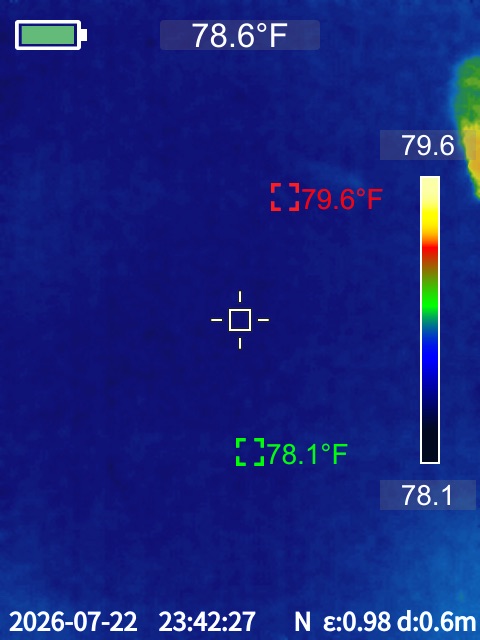
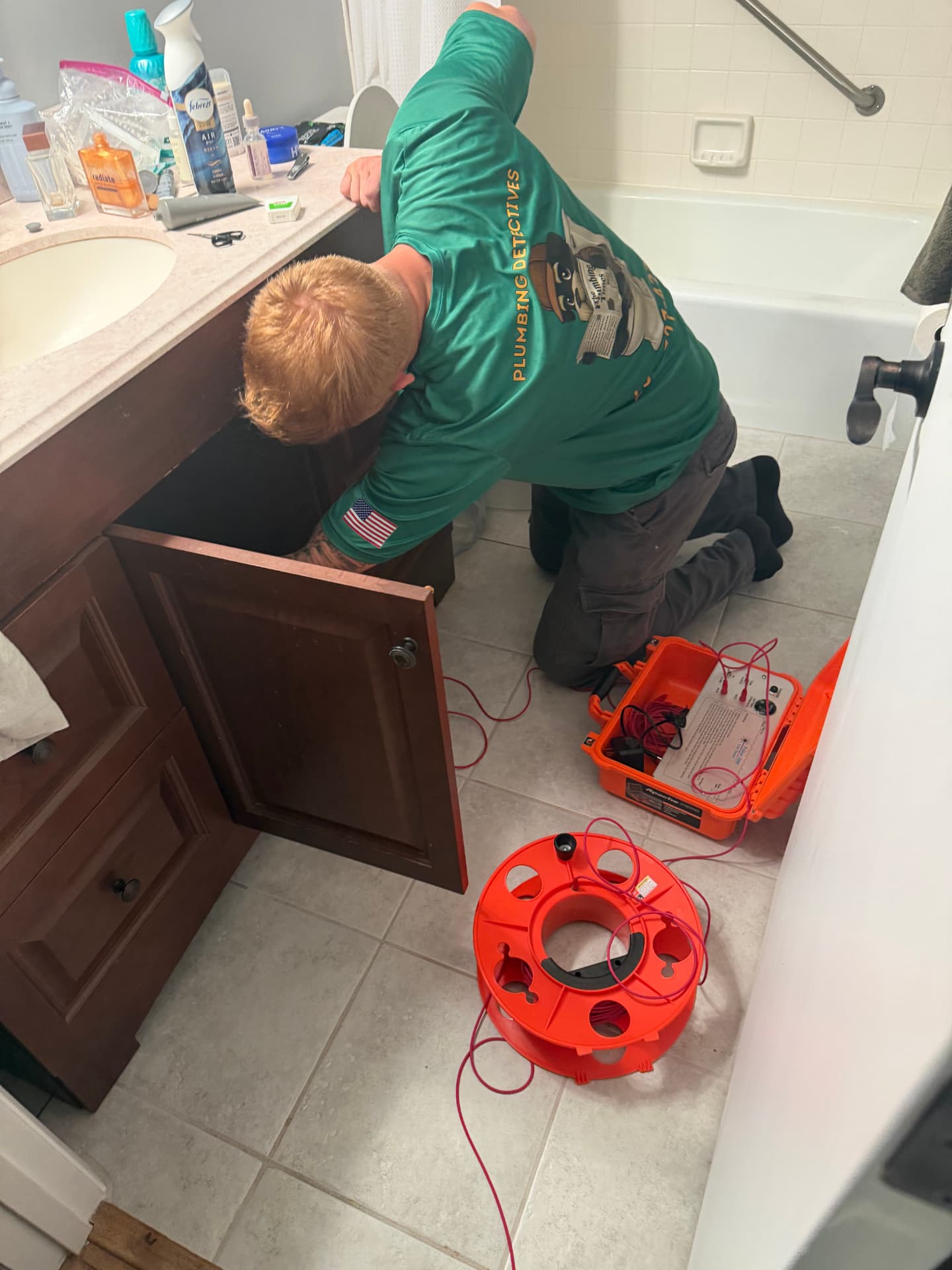
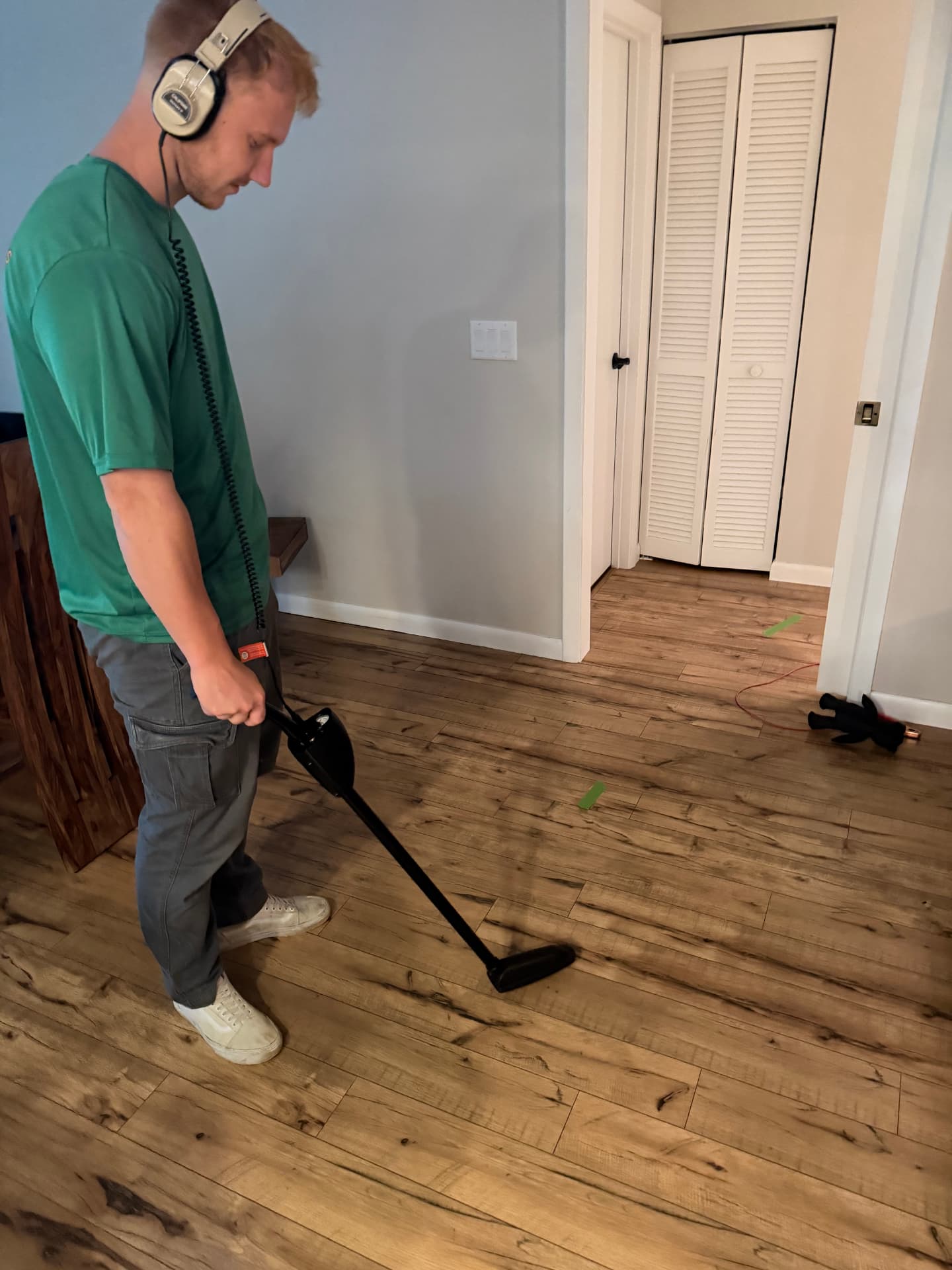
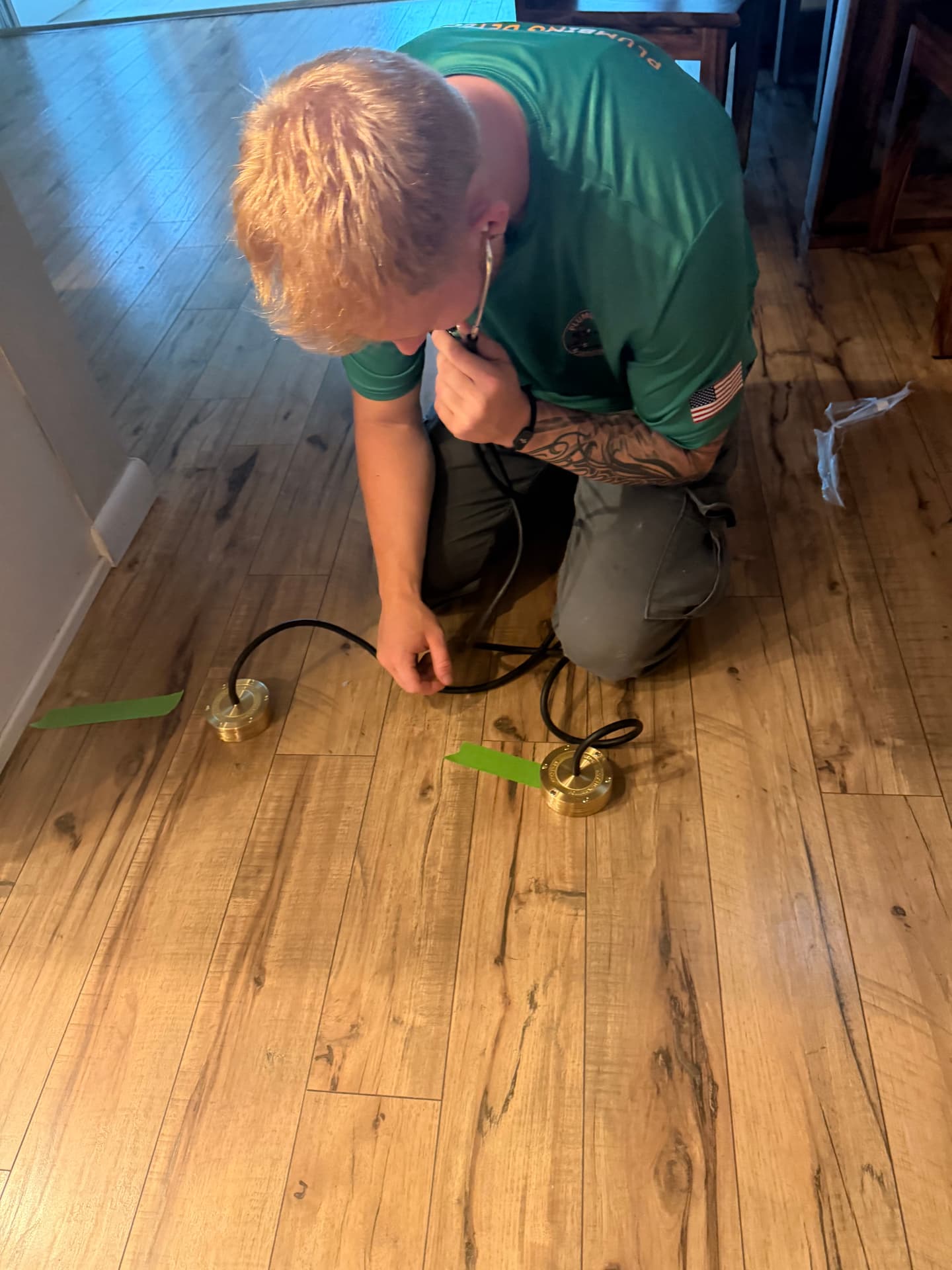
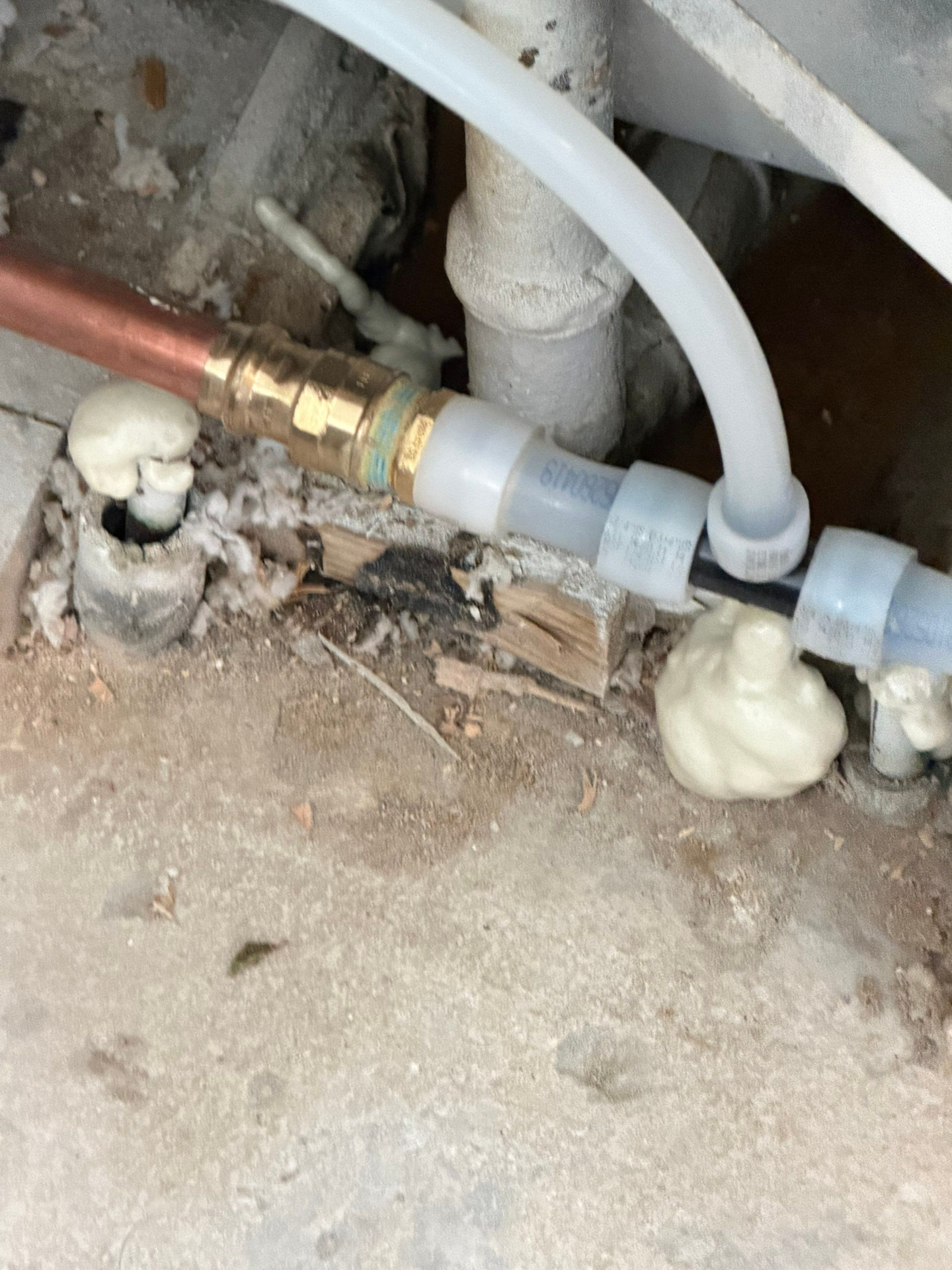
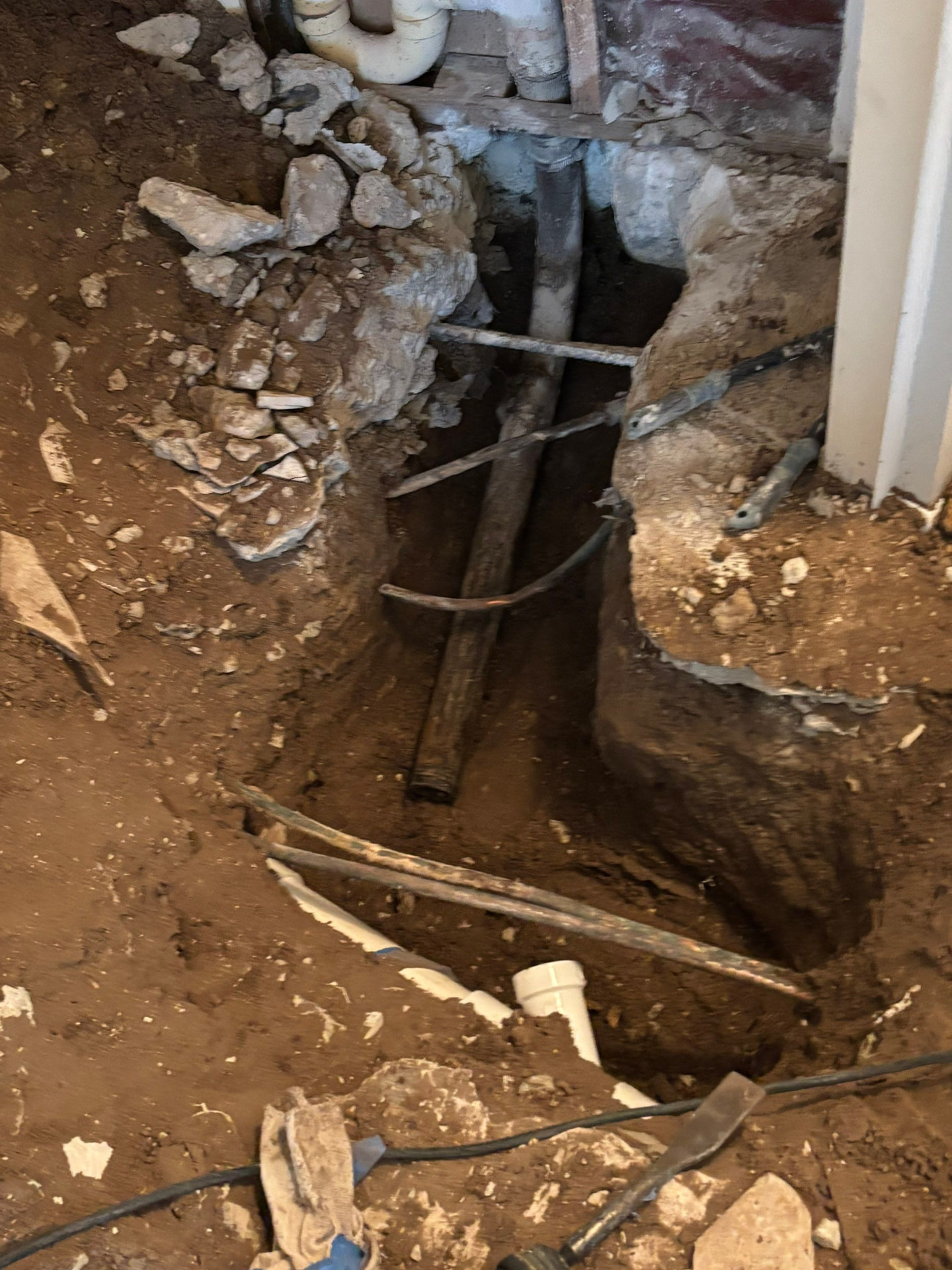
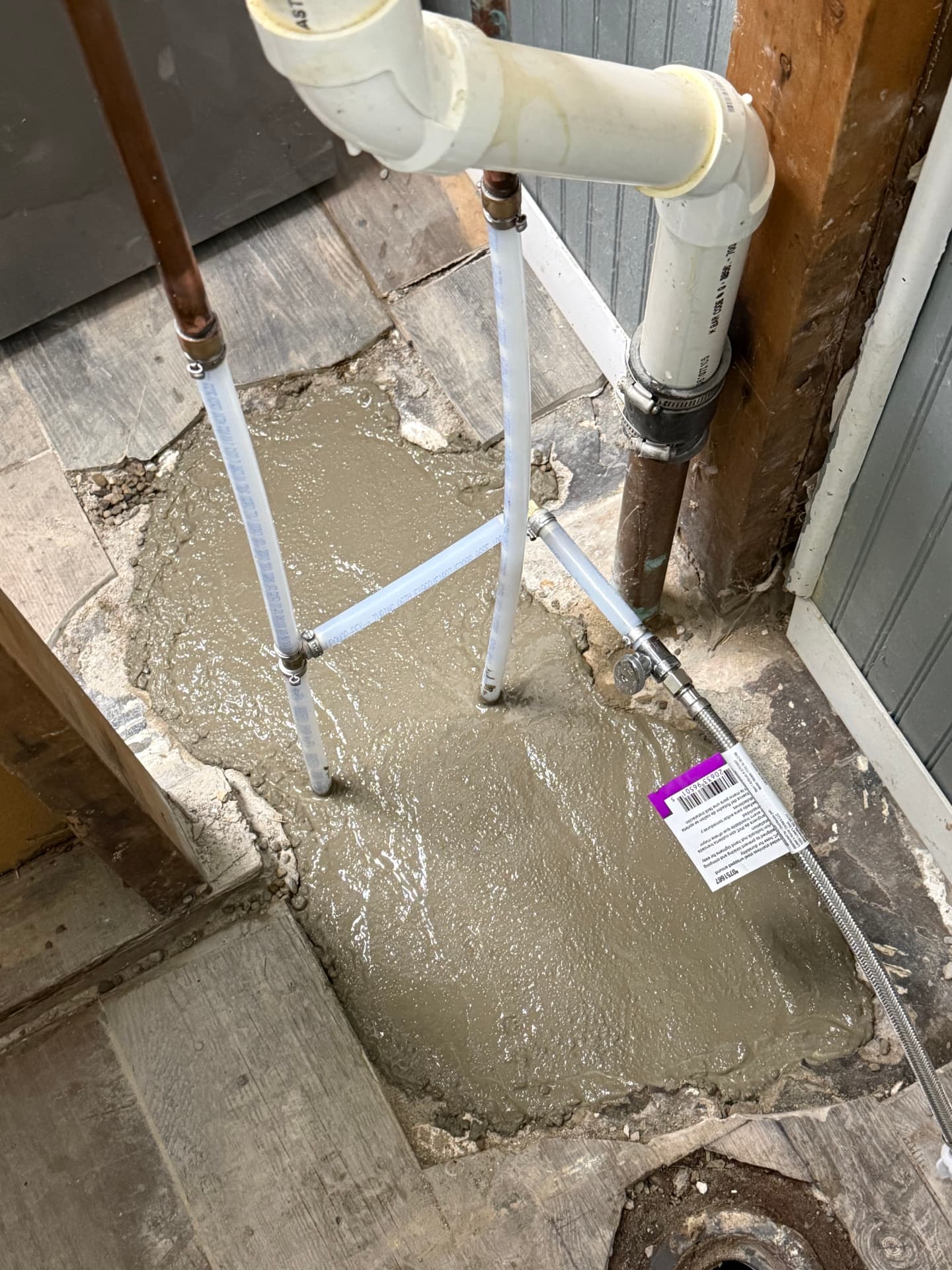
Photo slots awaiting Mike’s job-site images.
Answers
Frequently Asked Questions — Slab Leak Detection in Wellen Park, FL
If you’ve read this far, you understand something most Wellen Park homeowners never hear: new homes leak too — from hands, not from decades — and the warranty on your house has a clock running on it right now. You know what a month-11 documented inspection does, why trace-percolate-listen finds a defect the camera alone can’t, and what the evidence is worth whether the scan finds a defect or a clean bill. If your home is approaching its warranty window, showing a small sign you’ve been dismissing because “the house is new,” or you simply want the baseline on record — call me at 239-388-3631. Independent, documented, and honest about what this community does and doesn’t need. That’s been my Wellen Park policy since the first page I wrote about it.
Plumbing Detectives LLC | Venice, FL | License CFC1434139
239-388-3631 | plumbingdetectivesfl.com