
Slab Leak Detection · Venice Gardens, FL
Slab Leak Detection in Venice Gardens, FL
Pulsar 2000 line tracing, thermal imaging, moisture mapping, acoustic pinpointing. 1960s copper, slab leaks, 4-point inspection prep. Licensed master plumber CFC1434139.
Call Now239-388-3631The Bottom Line: Thermal Leak Detection & Diagnostic in Venice Gardens — $295. Full Documentation Package with thermal images, written report, and a complete Meta smart glasses POV inspection video delivered in 24–48 hours — $375 (as of mid-2026). Venice Gardens has the oldest average housing stock of any market we serve — platted between 1956 and 1972, average build year 1969 — which means original copper supply lines now 50 to 70 years old, running through concrete block walls and under slabs where a failure has nowhere to show itself. Nearly every home here is old enough that insurance carriers want a 4-point inspection before they’ll write or renew a policy. A hidden leak in this neighborhood isn’t a maybe. It’s a when.
My name is Mike Reynolds. I’m the owner of Plumbing Detectives LLC, a licensed master plumber — license CFC1434139 — and this page is different from every other page on my site for one reason: I live in Venice Gardens — my home is off Shamrock Drive. Plumbing Detectives LLC’s work has been featured on AP News, Apple News, Business Insider, MarketWatch, and Yahoo Finance.
And I don’t just live here — I run this equipment on my own house. I’ve scanned my own shower walls with the thermal camera, traced my own slab supply lines with the Pulsar 2000, and mapped them with a moisture meter and geophone, so that if one of them ever raises its hand I already know where to look. That’s not marketing. That’s what I do on a Saturday, in a 50-plus-year-old Venice Gardens home, because I know what’s in these slabs — it’s the same vintage of pipe that’s in yours. No other leak detection page serving this neighborhood was written by someone who scans his own Venice Gardens walls. Here’s what I’ve learned pointing this equipment at our housing stock, what it costs to point it at yours, and what you walk away holding.
Why Here
Why Venice Gardens Homes Hide Leaks Better Than Almost Anywhere
Some of the oldest original plumbing in our service area. Venice Gardens was platted and built out between 1956 and 1972. The average home here dates to 1969; the median to the mid-1970s. That means original copper supply lines that are now 50 to 70 years old — decades past the 40-to-50-year service life copper realistically gets in Florida’s water — and galvanized steel still hiding in some of the earliest late-1950s homes. Pipe of that age doesn’t fail loudly. It fails as a pinhole under the slab, a weeping joint inside a block wall, a slow loss the water bill notices months before you do.
Concrete block construction — everything is hidden. These are concrete block homes on slab-on-grade foundations. No basement, no crawlspace, and in many wall sections, no cavity at all — the pipe is furred against block or buried in the slab. When a leak starts, there is physically nowhere for it to announce itself. That’s actually the reason thermal imaging is such a specific fit for this neighborhood: the camera reads temperature differentials on the slab surface and the wall face — exactly where a Venice Gardens leak leaves its only evidence. A hot line weeping under your terrazzo paints a warm signature on the floor above it. In a construction type with no cavities to inspect and no access panels to open, seeing through the surface is the whole game — and when thermal alone doesn’t close the case, that’s what the rest of the equipment on my truck is for.
A neighborhood of original systems. Venice Gardens’ population dropped roughly 52% between 2010 and 2020, and a large share of the homes here are still owned by long-time or original owners. What that means for plumbing is blunt: a lot of these houses have never been repiped. The supply system that went in when the home was built is, in many cases, the supply system running right now — at age 55, 60, 65. I say this as a neighbor, not a critic: the first pinhole in a system that age is rarely the last, and it almost always happens where you can’t see it.
The 4-point inspection reality. Because virtually every home in Venice Gardens is well past 25 years old, virtually every homeowner here faces the same insurance checkpoint: most Florida carriers now want a 4-point inspection — roof, electrical, HVAC, and plumbing — before writing or renewing a policy on a home this age. A flagged plumbing issue on that 4-point can complicate your insurability. A documented thermal scan before the inspector comes is how you find out what’s behind your walls while it’s still your private information and a fixable item — instead of a surprise line on a report your carrier reads first.
And the resale market is live. Homes in Venice Gardens are actively listing and selling. If you’re buying a 1965 concrete block ranch here, the standard home inspection does not include a thermal scan of the slab and walls — mine didn’t when I bought in this county, and I’m a master plumber. If you’re selling, a documented clean scan is the kind of evidence that keeps a deal from wobbling when the buyer’s inspector starts asking about original plumbing. Either side of the transaction, the documentation is worth more than the scan.
The Method
How I Actually Find It — Trace, Then Percolate, Then Listen (And What I’ve Learned Using It on My Own House)
Every tool I use answers one specific question. None of them do everything, and I’ve never met a single instrument that replaces the other three.
I run a Mileseey TR20 professional thermal imaging camera, a moisture meter, a Pulsar 2000 line tracer, and geophone acoustic listening equipment — in that order, as one system, on every leak call I run, in every market I serve. Named equipment, honestly positioned, the same way I name the Plumber’s Vision system on my sewer pages and Uponor ProPEX on my repipe pages. And to be direct about this market: no competitor serving Venice Gardens has written a single page specifically for this neighborhood. Everyone treats it as generic “Venice area.” This one is written from inside it, with equipment I run on my own house.
Thermal imaging finds the neighborhood. It sees temperature, not water. Moisture changes how a surface holds and moves heat — a wet patch inside a shower wall reads cooler than the dry wall around it as evaporation pulls heat away; a hot supply line under a slab paints a warm plume across the floor above. Scanning my own shower walls has shown me exactly how this construction reads — where the block, the furring, and the tile each hold heat differently, and what a genuinely wet wall looks like against that background. Hot water leaks are the camera’s best case and light up clearly. Cold water leaks can read faintly or, depending on depth and flooring, not at all.
A moisture meter confirms what the camera thinks it’s seeing. A thermal image can look like a leak and just be warm for some other reason. The moisture meter reads actual water content before anything else happens.
The Pulsar 2000 traces the exact pipe, not the whole slab. This is the tool I’ve used to map my own home’s supply lines — clamping a lead to a line at the water heater or a fixture stub-out, energizing just that branch, and following the wand along the pipe’s actual route. I know exactly where my own slab lines run because I’ve traced them myself. That familiarity matters: when I trace yours, I’m reading a 1960s supply run through terrazzo and block against a baseline I built in a house the same age, a few streets over.
Then I make it talk, and the geophones pinpoint the exact spot. With the line isolated and drained, compressed air agitates the water and saturated soil around a leak into a far louder, more distinct disturbance. Two geophone heads a few feet apart along the traced line, listening for where the sound is loudest and even in both ears — that point is directly above the leak.
One cut, not a search pattern. Before anything gets opened, I scan for rebar, post-tension cable, and conduit so the cut doesn’t create a second problem. Then it’s one core drill or a small opening at the marked spot — not a trench, not a series of test holes.
And the honest limits, because it’s the whole brand: when the full sequence still doesn’t give enough evidence, we don’t guess — we pressure test to isolate the losing line or make one small, targeted opening exactly where the remaining evidence points. What never happens is a repair quote built on a hunch.
Published, In a Market Where Nobody Publishes
What It Costs
Thermal Leak Detection & Diagnostic — $295
Mileseey TR20 thermal scan, full visual plumbing inspection, targeted imaging of every suspect wall, ceiling, and slab area, Pulsar 2000 tracing and geophone pinpointing when thermal alone doesn’t close the case, findings explained on site with you at the screen, written findings report, and a straight recommendation: repair, reroute, pressure test, further investigation, or monitor.
Thermal Leak Detection + Documentation Package — $375
Everything above, plus the complete inspection video recorded from my point of view on Meta smart glasses, the full thermal image package, and photo documentation — delivered to your Google Drive within 24 to 48 hours, guaranteed, or the documentation upgrade is refunded.
(Pricing as of mid-2026.) Leak detection in this area runs roughly $250–$500, and not one company serving Venice Gardens publishes a number — you have to call to find out. Mine is published, and it comes with something nobody else in this market delivers: a point-of-view video of your own inspection. For a 4-point inspection prep, a pre-listing scan, an insurance file, or a buyer’s due diligence on a 1960s home, that timestamped documentation outlasts and outvalues the visit itself.
Plumbing Detectives LLC Professional Opinion
I’ll tell you what I tell my own neighbors: if your Venice Gardens home still has its original supply lines, you’re not wondering whether they’ll fail — you’re wondering where and when. Copper from 1969 in this water is past the age where “it’s been fine” means anything. The cheapest moment to find the first pinhole is before the flooring buckles: a bill that moved, a warm patch on the terrazzo, a musty note in one room. I’ve traced the lines in my own slab so I know where to look before that day comes. That option is available to you too — it’s called a scan, and it costs less than the second hole in the wrong place.
The Process
Step by Step — And What Happens When the Leak Is Found
Same discipline as every service I run: the symptom conversation first — the bill, the warm spot, the damp wall, the smell. Then a visual inspection before the equipment comes out, because sometimes the mystery is a running flapper or a weeping angle stop, and you deserve to hear that instead of a scan pitch. Then thermal imaging, moisture verification, Pulsar 2000 tracing, and geophone pinpointing as needed to close the case, with you watching at every step. Plain-language explanation of what the evidence shows — and what it doesn’t. Then the written report and honest options.
When it’s a slab leak in a Venice Gardens home, the decision tree is the same one on my Venice Gardens whole-house repiping page: an isolated failure in an otherwise sound system can justify a targeted repair; but a slab leak in 55-year-old copper usually earns my real recommendation — reroute the line overhead rather than cutting concrete to patch a system failing from the inside. Pressurized supply lines don’t belong under slabs. And when this is the second or third pinhole, that isn’t a leak problem anymore — it’s the system talking, and the honest conversation moves to repiping, documented fully on that page.
Any repair requiring a permit gets one — and here’s a detail I know because I pull permits for my own neighborhood: Venice Gardens is unincorporated Sarasota County, not the City of Venice, no matter what your mailing address says. The permit authority is Sarasota County Planning and Development Services, and that’s where yours will be filed.
Plumbing Detectives LLC Tips
The free test before any call: shut every fixture off, read your meter, wait two hours with no water use, read it again. Movement means water is leaving the system. In a home with original 1960s copper, that two-hour test is the highest-value diagnostic dollar you’ll never spend.
If your 4-point inspection is coming up — policy renewal, new carrier, recent purchase — scan before the inspector comes, not after. Finding a plumbing issue privately makes it a repair. Finding it on the 4-point makes it an insurability conversation.
A warm spot on terrazzo or tile in a Venice Gardens home is a finding, not a quirk. Hot water lines run under that slab, and warmth coming up through the floor is the classic slab leak signature in exactly this vintage of construction. Same-week call, not someday call.
One more thing worth knowing: water damage claims stay on your home’s CLUE report for years and can affect future premiums and renewals. Catching a leak before it becomes a claim isn’t just cheaper on the repair — it protects the insurance record attached to the house itself. Ask your agent how claims history affects your policy; I’m a plumber, not an adjuster, but the math favors finding leaks early every time.
Why Us
Why Plumbing Detectives LLC
Most companies in this market will tell you they use “advanced equipment” without ever explaining what each tool actually does or why it’s used at a specific point in the process. That’s a tool list, not a method. I run thermal imaging, a moisture meter, the Pulsar 2000 line tracer, and geophone acoustic detection as one integrated sequence — trace the line, percolate the leak, listen for the exact spot — on my own house, in my own neighborhood, before I ever run it on yours. That same diagnosis-first philosophy is why I run camera inspections on every sewer line before recommending a repair — you locate the problem, then you cut. Licensed, documented, evidence-verified leak detection and sewer work under one company. License CFC1434139. Fully insured.
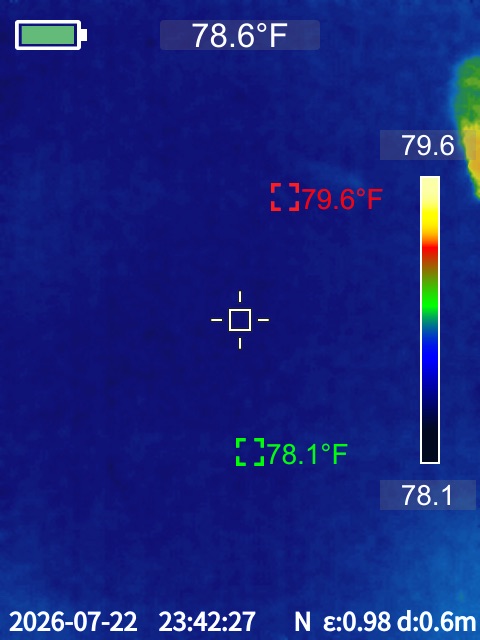
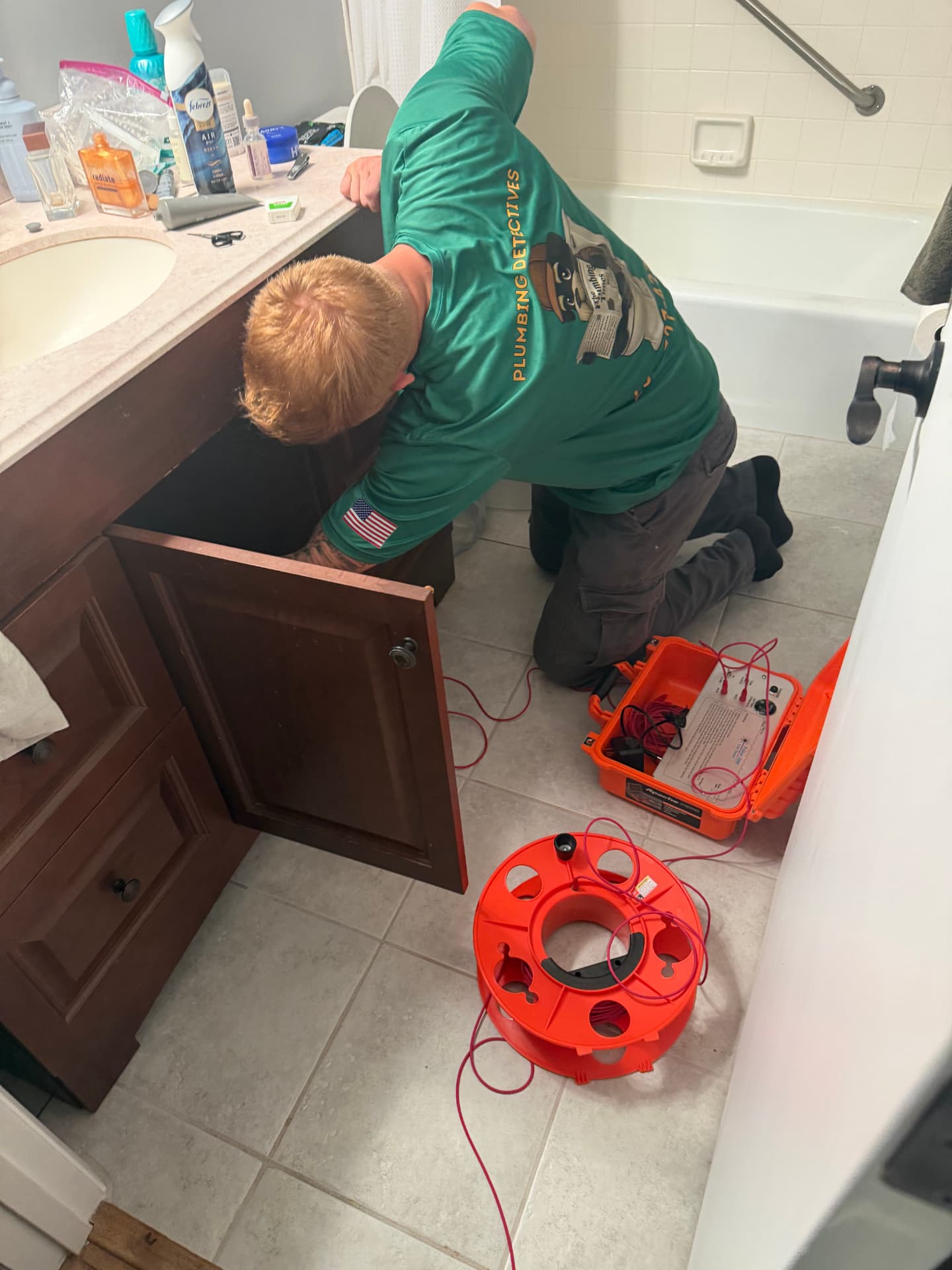
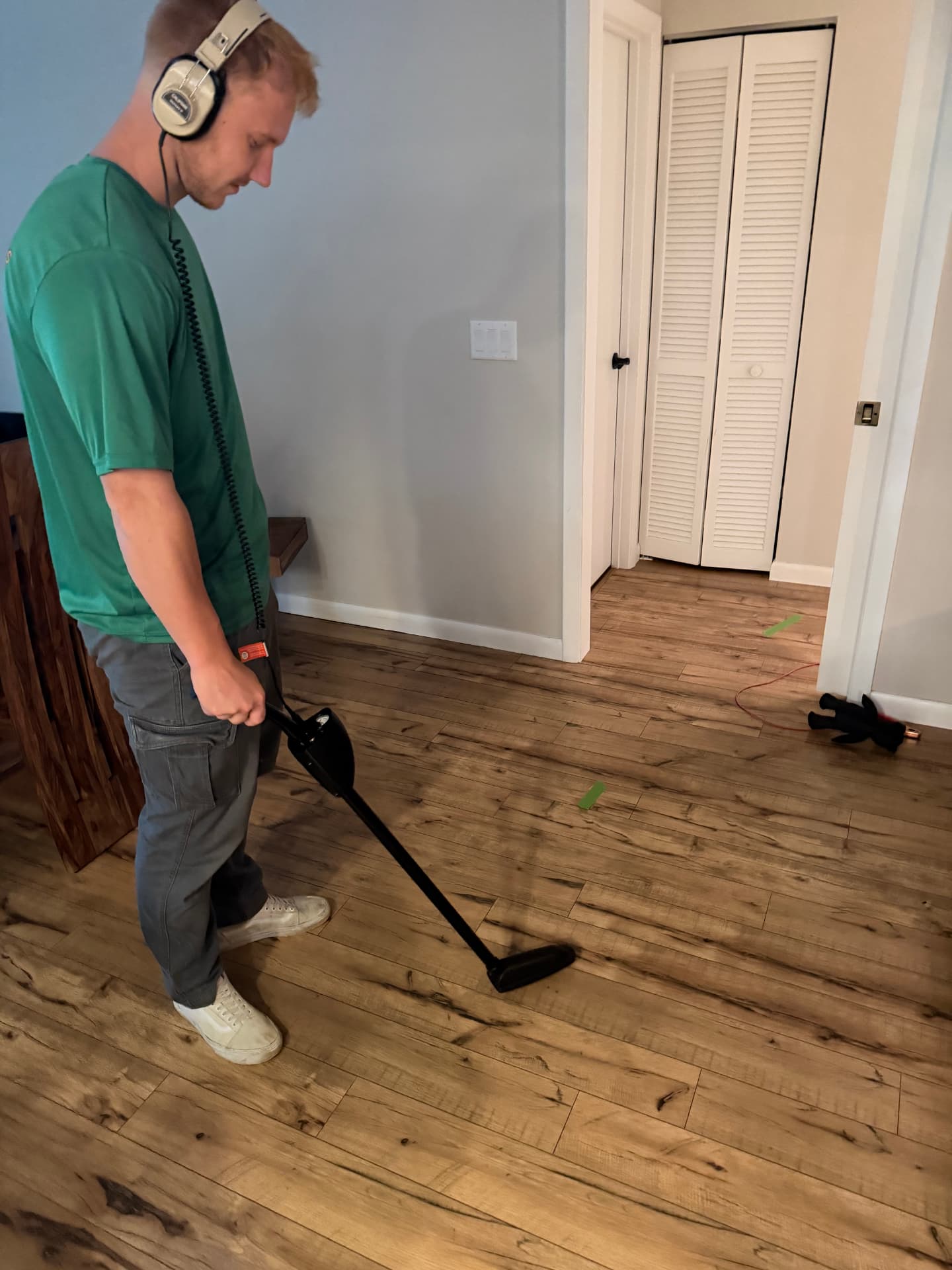
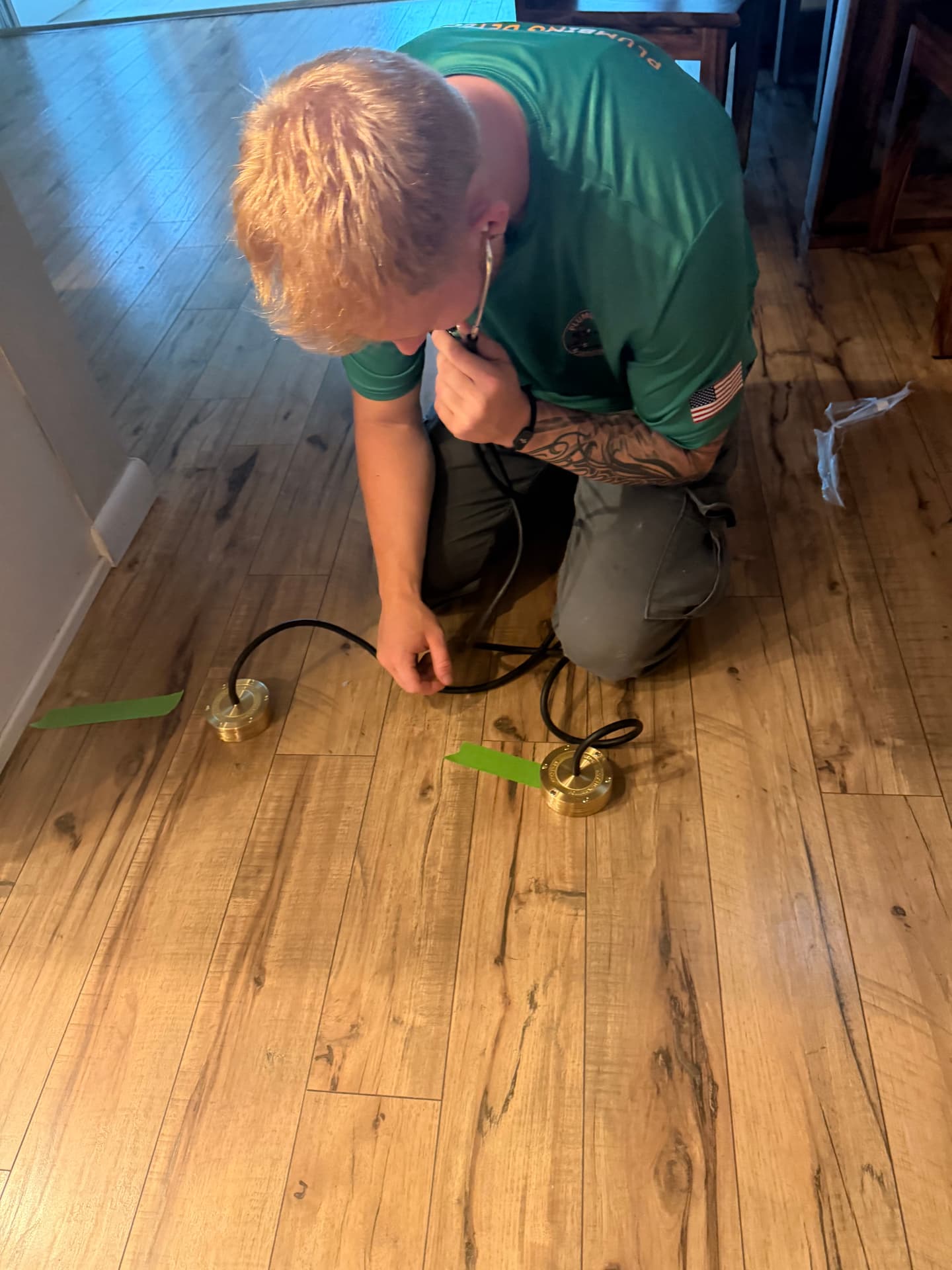
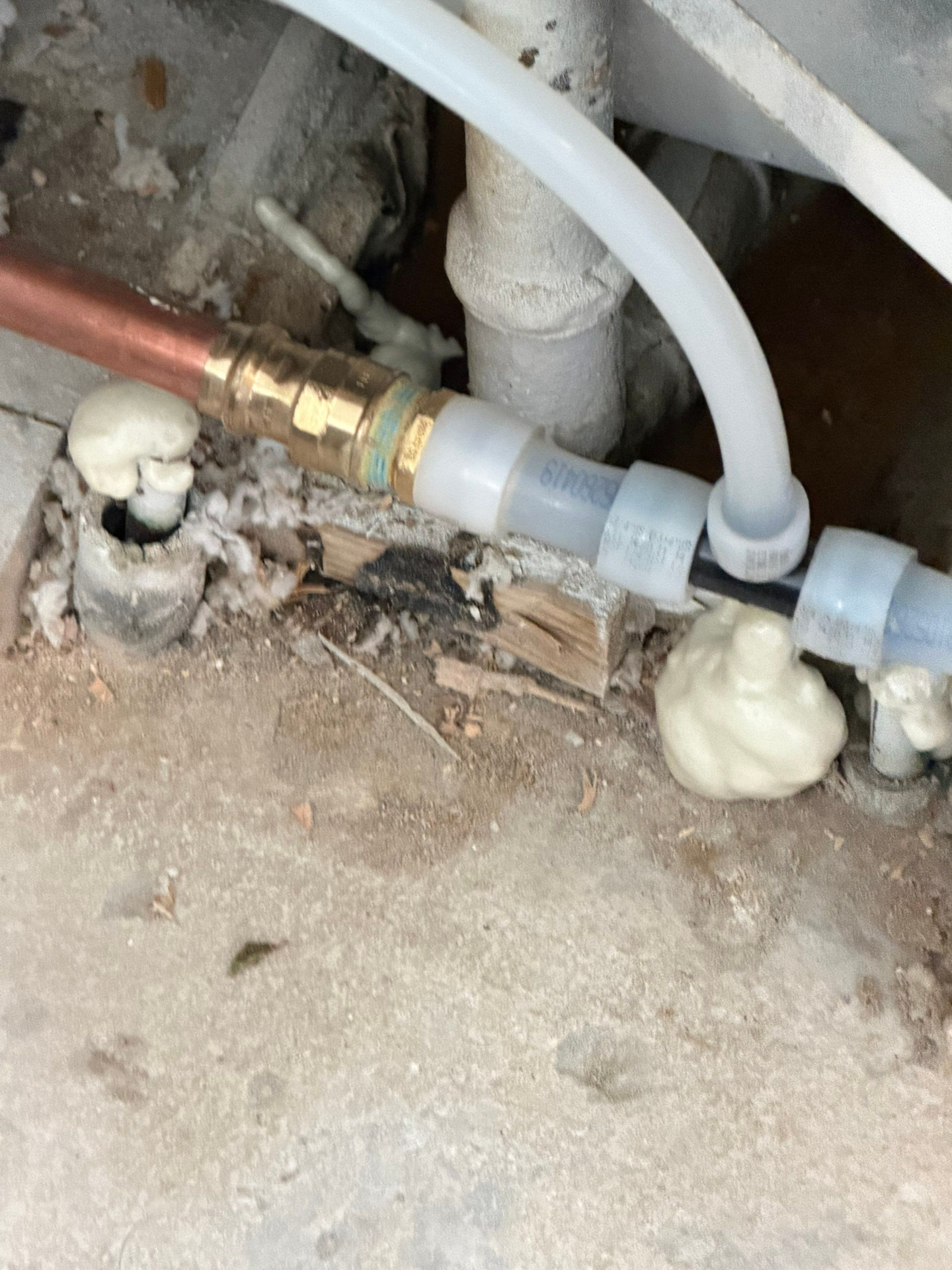
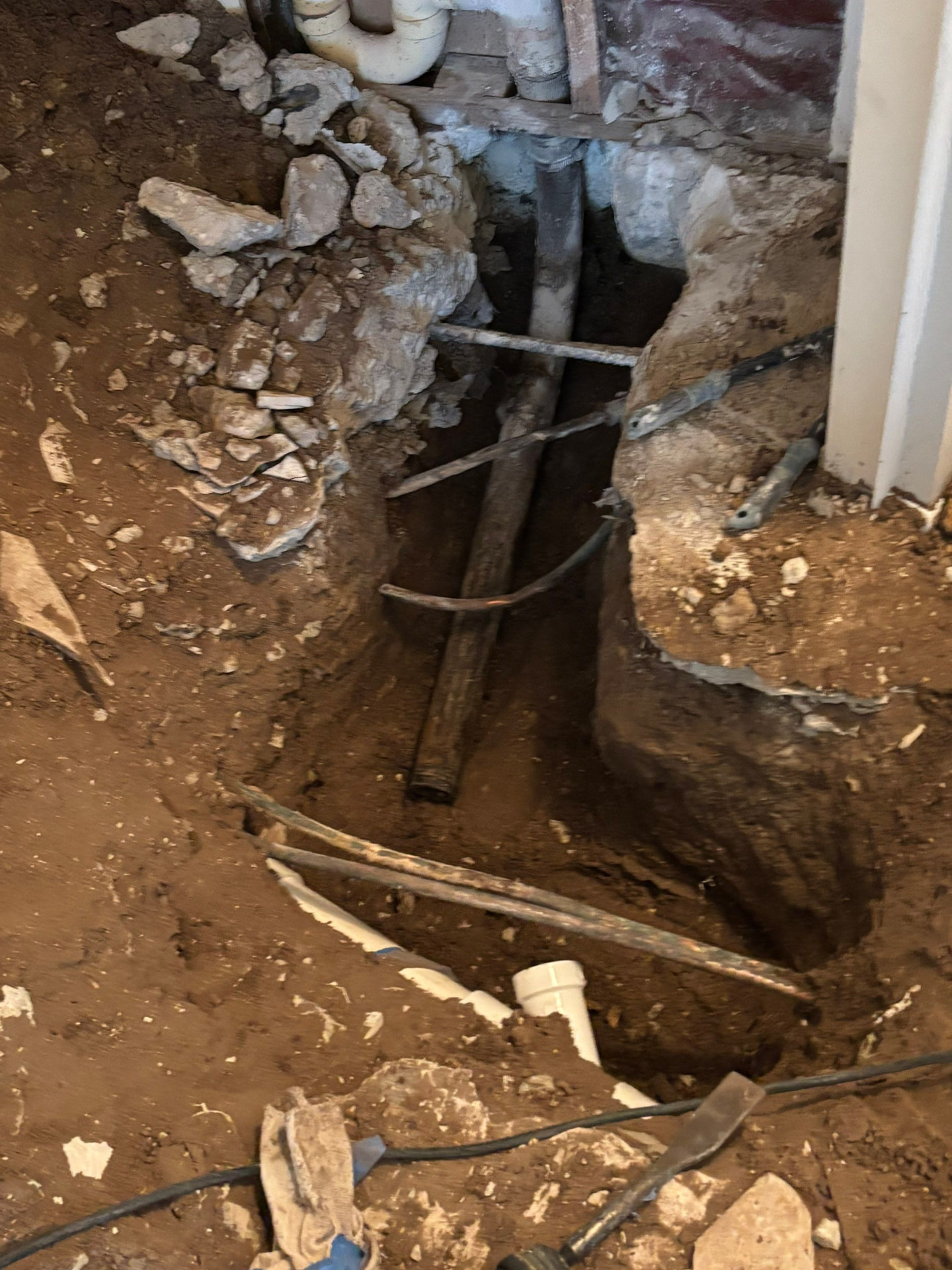
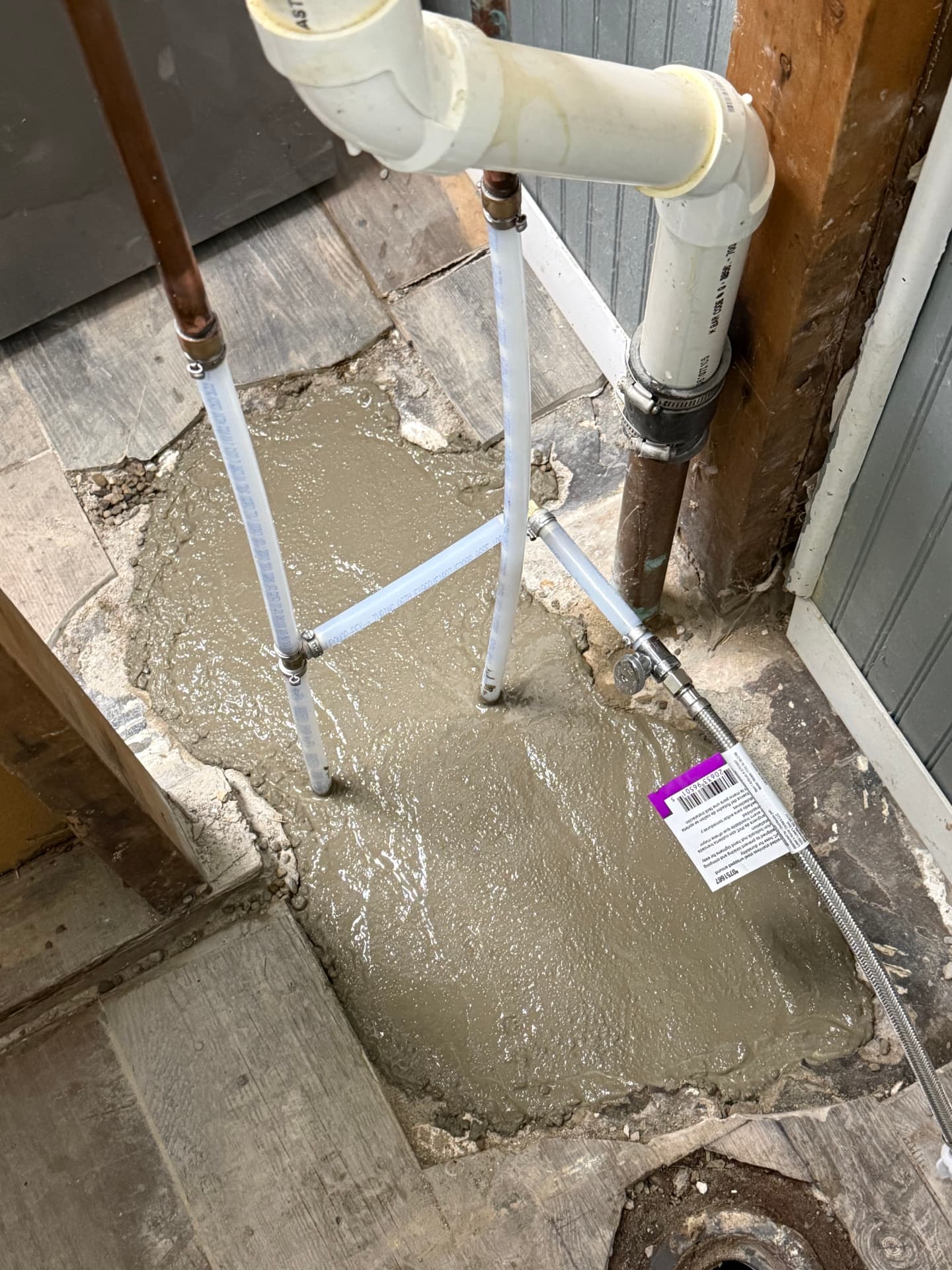
Photo slots awaiting Mike’s job-site images — ideally from his own Venice Gardens home given the personal-use angle on this page.
Answers
Frequently Asked Questions — Slab Leak Detection in Venice Gardens, FL
If you’ve read this far, you understand hidden leaks in Venice Gardens better than most homeowners ever get them explained — why some of the oldest original plumbing in this region hides its failures inside block walls and under slabs, why trace-percolate-listen is a specific technical fit for exactly this construction, what the 4-point inspection era means for a neighborhood where every home qualifies, and why documented findings outlast the visit. If your bill jumped, your floor has a warm spot, or you simply want to know what six decades of pipe are doing behind your walls — call me at 239-388-3631. I’m a few streets away, the equipment’s on the truck, and it’s the same equipment I point at my own house.
Plumbing Detectives LLC | Venice, FL | License CFC1434139
239-388-3631 | plumbingdetectivesfl.com