
Slab Leak Detection · Laurel, FL
Slab Leak Detection in Laurel, FL
Pulsar 2000 line tracing, thermal imaging, moisture mapping, acoustic pinpointing. Polybutylene inspection, slab leaks, well-water homes. Licensed master plumber CFC1434139.
Call Now239-388-3631The Bottom Line: Thermal Leak Detection & Diagnostic in Laurel — $295. Full Documentation Package with thermal images, written report, and a complete Meta smart glasses POV inspection video delivered in 24–48 hours — $375 (as of mid-2026). Here’s a fact about this market: as of this writing, no plumbing company anywhere has published a leak detection page written specifically for Laurel — every competitor lists this community in a service-area footer and calls it done. This page exists because Laurel deserves better than a footer: a housing stock that spans the 1940s through the 2000s, polybutylene in exactly the build window Florida’s insurance carriers are now refusing to cover, sandy soil that swallows the evidence of underground leaks, and well properties with no water bill to sound the alarm. If you’re in Laurel and losing water somewhere you can’t see, this is the first page ever written about finding it here.
My name is Mike Reynolds. I’m the owner of Plumbing Detectives LLC, a licensed master plumber — license CFC1434139 — based just up the road in Venice, which makes Laurel one of the closest communities I serve. Plumbing Detectives LLC’s work has been featured on AP News, Apple News, Business Insider, MarketWatch, and Yahoo Finance.
Hidden leaks are the most literal detective work in plumbing, and in Laurel two of the usual witnesses are missing: the soil hides the water, and on well properties there’s no monthly bill to raise a flag. What’s left is evidence — a warm spot, a damp patch, a musty room, a pump that cycles when it shouldn’t — and equipment that can read what your walls and slab are hiding. Here’s how I find leaks in Laurel, what it costs, and why the polybutylene question hanging over homes of this vintage deserves its own honest conversation.
The Polybutylene Problem
The Polybutylene Problem — Laurel’s Biggest Hidden-Leak Risk Is Also an Insurance Problem
If your Laurel home was built or replumbed between 1978 and 1995, it may carry polybutylene supply lines — the gray plastic pipe that fails at its fittings suddenly, with essentially zero warning before rupture. I’ve covered the material’s full history on my Laurel whole-house repiping page, but here’s why it belongs at the top of a leak detection page: polybutylene doesn’t weep politely for months the way old copper does. It holds, and holds, and then a fitting lets go — and where it lets go is usually inside a wall or above a ceiling.
And in 2026, the polybutylene question isn’t just a plumbing question anymore — it’s an insurance question. Citizens Property Insurance won’t write homes with polybutylene supply lines, private carriers are following the same path, and a 4-point inspection that flags poly pipe can trigger a 30-day cancellation notice. This is a subject Plumbing Detectives LLC has taken to the national wire: our July 2026 press release on expanding polybutylene inspection services addresses exactly this squeeze — Sarasota County homeowners discovering that the pipe in their walls has become a coverage problem before it ever became a leak.
What a documented inspection does for a Laurel homeowner in that position: it answers the question. A thermal scan plus visual inspection identifies what’s actually serving your home — poly, copper, galvanized, or a patchwork of all three — and puts the answer on the record with images and a written report. If it’s poly, you get the honest repipe conversation, documented in full on my Laurel repiping page, before a carrier or a fitting failure makes the decision for you. If it isn’t, you’re holding professional documentation that says so — which is worth real money the next time an insurance company asks.
Why Here
Why Laurel Leaks Stay Hidden
The soil swallows the evidence. Laurel sits on the same sandy, well-drained ground as the rest of this corridor — and sandy soil is a leak’s best friend. Water escaping from a slab line or a buried service doesn’t pool where you’d see it; it drains straight down and disappears. The classic visible warnings — the puddle, the soft spot in the yard — often simply never appear here. The water bill, a warm floor spot, or a musty smell is frequently the only evidence a Laurel leak ever offers.
A housing stock that spans every failure era. Laurel’s homes run from the 1940s through the 2000s: galvanized steel still serving in the oldest pocket — pipe that corrodes shut and leaks at threads; copper from the 60s through the 90s now deep in Florida’s pinhole window; the polybutylene vintage covered above; and manufactured homes with their own hidden-leak reality — supply lines running through belly-wrapped underfloors where a leak can soak insulation for months before anything shows inside the home. I covered Laurel’s manufactured housing in depth on my repiping page, and the same honesty applies here: it’s a different kind of inspection, and I’ll tell you at the assessment exactly what can and can’t be verified from above the floor versus below it.
The well-water blind spot. A meaningful share of Laurel properties run on private wells — which means no monthly water bill, and no early warning system when water starts escaping. On a well property, your alarm system is physical: unexplained pump cycling with every fixture off, a pressure change, a warm spot, a damp patch. Those signs deserve same-week action here, because by the time a well property shows a symptom, the leak has usually been running a while.
The Method
How I Actually Find It — Trace, Then Percolate, Then Listen
Every tool I use answers one specific question. None of them do everything, and I’ve never met a single instrument that replaces the other three.
I run a Mileseey TR20 professional thermal imaging camera, a moisture meter, a Pulsar 2000 line tracer, and geophone acoustic listening equipment — in that order, as one system, on every leak call I run. Named equipment, honestly positioned, the same way I name the Plumber’s Vision system on my sewer pages and Uponor ProPEX on my repipe pages, because in a region where every competitor says “advanced tools,” a real model number is a differentiator by itself.
Thermal imaging finds the neighborhood. The TR20 sees temperature, not water. Evaporation cools wet drywall below the dry wall around it; a hot supply line leaking under a slab paints a warm plume on the floor above; a soaked patch behind a wall reads as an anomaly against the dry material beside it. Hot water leaks are its best case and image clearly. Cold water leaks can read faintly or, depending on depth and flooring, not at all.
A moisture meter confirms what the camera thinks it’s seeing. A thermal image can look like a leak and just be warm for some other reason. The moisture meter reads actual water content before anything else happens.
The Pulsar 2000 traces the exact pipe, not the whole slab. Once I’ve got a general area, I clamp a lead to the target line — the cold-water outlet at the water heater and a fixture stub-out in the suspect zone, for example — and energize just that branch. The wand follows the signal along the pipe’s actual route, and I tape-mark that exact corridor. In sandy soil that already hides most of the evidence, this is what keeps me from listening across an entire slab.
Then I make it talk, and the geophones pinpoint the exact spot. With the line isolated and drained, compressed air agitates the water and saturated soil around a leak into a far louder, more distinct disturbance. Two geophone heads a few feet apart along the traced line, listening for where the sound is loudest and even in both ears — that point is directly above the leak.
One cut, not a search pattern. Before anything gets opened, I scan for rebar, post-tension cable, and conduit so the cut doesn’t create a second problem. Then it’s one core drill or a small opening at the marked spot — not a trench, not a series of test holes.
And the honest limits, because it’s the whole brand: when the full sequence still doesn’t give enough evidence, we don’t guess — we pressure test to isolate the losing line, verify suspect surfaces with moisture readings, or make one small targeted opening exactly where the evidence points. What I carry, I name; what it proves, I show you; what it can’t prove, I say out loud. A repair quote built on a hunch is exactly what this company exists to replace.
Published
What It Costs — The First Published Price Laurel Has Ever Had
Thermal Leak Detection & Diagnostic — $295
Mileseey TR20 thermal scan, full visual plumbing inspection — including pipe material identification — targeted imaging of every suspect wall, ceiling, and slab area, Pulsar 2000 tracing and geophone pinpointing when thermal alone doesn’t close the case, findings explained on site with you at the screen, written findings report, and a straight recommendation: repair, reroute, pressure test, further investigation, or monitor.
Thermal Leak Detection + Documentation Package — $375
Everything above, plus the complete inspection video recorded from my point of view on Meta smart glasses, the full thermal image package, and photo documentation — delivered to your Google Drive within 24 to 48 hours, guaranteed, or the documentation upgrade is refunded.
(Pricing as of mid-2026.) Leak detection in this area runs roughly $150–$450, and since no company has ever published a Laurel-specific price, mine is by definition the first. The Documentation Package is the one built for the insurance era: a timestamped written report, thermal images, and a POV video of your own inspection is exactly the evidence a 4-point conversation, a carrier question, or a real estate transaction turns on — and nobody else serving this community delivers it at any price.
Plumbing Detectives LLC Professional Opinion
If your Laurel home dates to the late 70s through the mid-90s and you’ve never confirmed what your supply lines are made of, do it before your insurance carrier asks — because they’re going to ask. Polybutylene’s cruelty is that it gives no warning: no weeping, no stains, just a fitting that holds until the day it doesn’t. Finding out what’s in your walls costs a few hundred dollars and an hour of your time. Finding out from a 30-day cancellation notice, or from a ceiling coming down on a Saturday, costs considerably more. I’d rather you hear it from a scan than from either of those.
The Process
Step by Step — And What Happens When the Leak Is Found
Same discipline as every service I run: the symptom conversation first — the bill or the pump behavior, the warm spot, the damp wall, the smell. Visual inspection before the equipment comes out, because sometimes the mystery is a running flapper or a failed water heater connection, and you deserve to hear that instead of a scan pitch. Then thermal imaging, moisture verification, Pulsar 2000 tracing, and geophone pinpointing as needed to close the case, with you watching the whole time. Plain-language explanation of what the evidence shows and doesn’t. Then the written report and honest options.
When it’s a slab leak in a Laurel home, the decision tree matches my Laurel repiping page exactly: an isolated failure in an otherwise sound system can justify a targeted repair; a slab leak in aging copper usually earns my real recommendation — reroute the line overhead rather than cutting concrete to patch a system failing from the inside. Pressurized supply lines don’t belong under slabs. When it’s polybutylene, the honest answer is that poly doesn’t get patched — a failed fitting replaced today leaves every other fitting in the house one day older, and the real conversation is replacement, documented in full on the repipe page. And when any system shows its second or third failure, that’s not a leak problem anymore — it’s the system raising its hand.
Any repair requiring a permit gets one, filed with Sarasota County Planning and Development Services — the permit authority for Laurel — verified before work begins.
Plumbing Detectives LLC Tips
On city water, run the free test before any call: everything off, read the meter, wait two hours with no water use, read it again. Movement means water is leaving the system. On a well, your version is the pressure gauge and the pump — unexplained cycling with all fixtures off is telling you the same thing.
Not sure what pipe you have? Look under a sink or behind the washer: gray plastic pipe with metal or plastic crimped fittings is the polybutylene signature. But visible pipe doesn’t always match what’s in the walls and slab — homes of this era were repaired in pieces — which is exactly what the inspection settles.
In sandy soil, don’t wait for visible water — it isn’t coming. An unexplained bill jump, a warm floor spot, or one musty room is the whole warning Laurel ground gives you. Treat it as a same-week call.
If your home is past 25 years old and a policy renewal is coming, scan before the 4-point inspector does. A plumbing issue found privately is a repair; the same issue found on the 4-point can be a coverage conversation. Ask your agent about your carrier’s specific requirements — I’m a plumber, not an adjuster, but the sequencing matters.
Why Us
Why Plumbing Detectives LLC
Nobody has ever written this page for Laurel before — most companies list it in a footer and stop there. I run thermal imaging, a moisture meter, the Pulsar 2000 line tracer, and geophone acoustic detection as one integrated sequence — trace the line, percolate the leak, listen for the exact spot — because that’s what actually narrows a hidden Laurel leak down to one small cut instead of a guess, whether it’s sandy soil hiding a slab leak, a well property with no bill to warn you, or a polybutylene fitting nobody’s confirmed yet. That same diagnosis-first philosophy is why I run camera inspections on every sewer line before recommending a repair — you locate the problem, then you cut. Licensed, documented, evidence-verified leak detection and sewer work under one company. License CFC1434139. Fully insured.
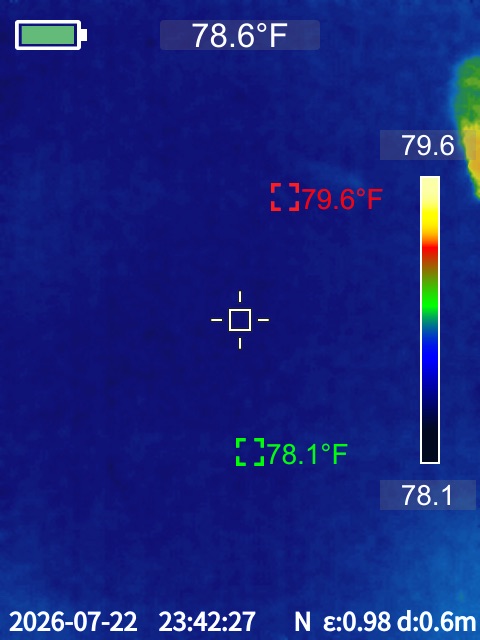
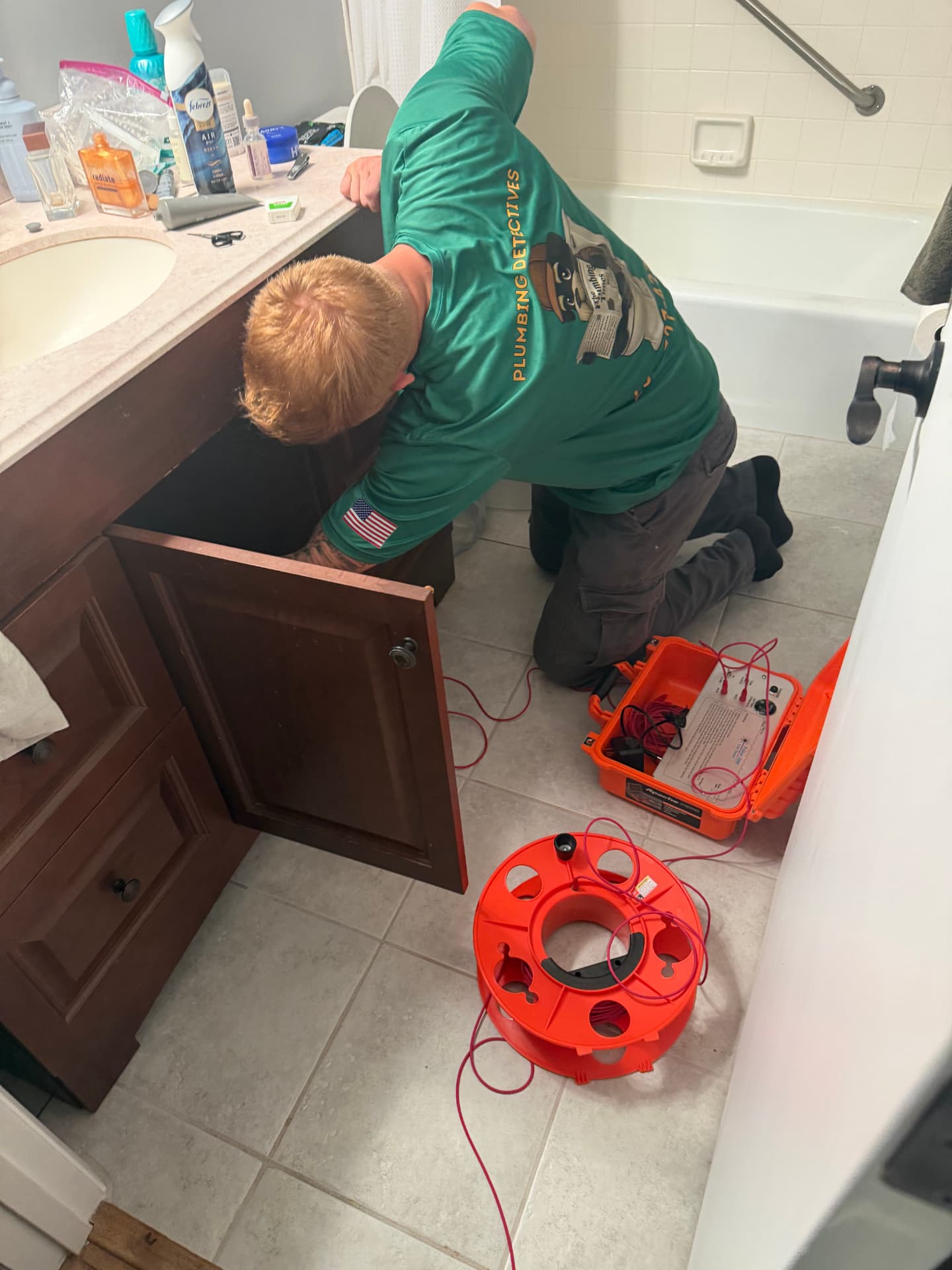
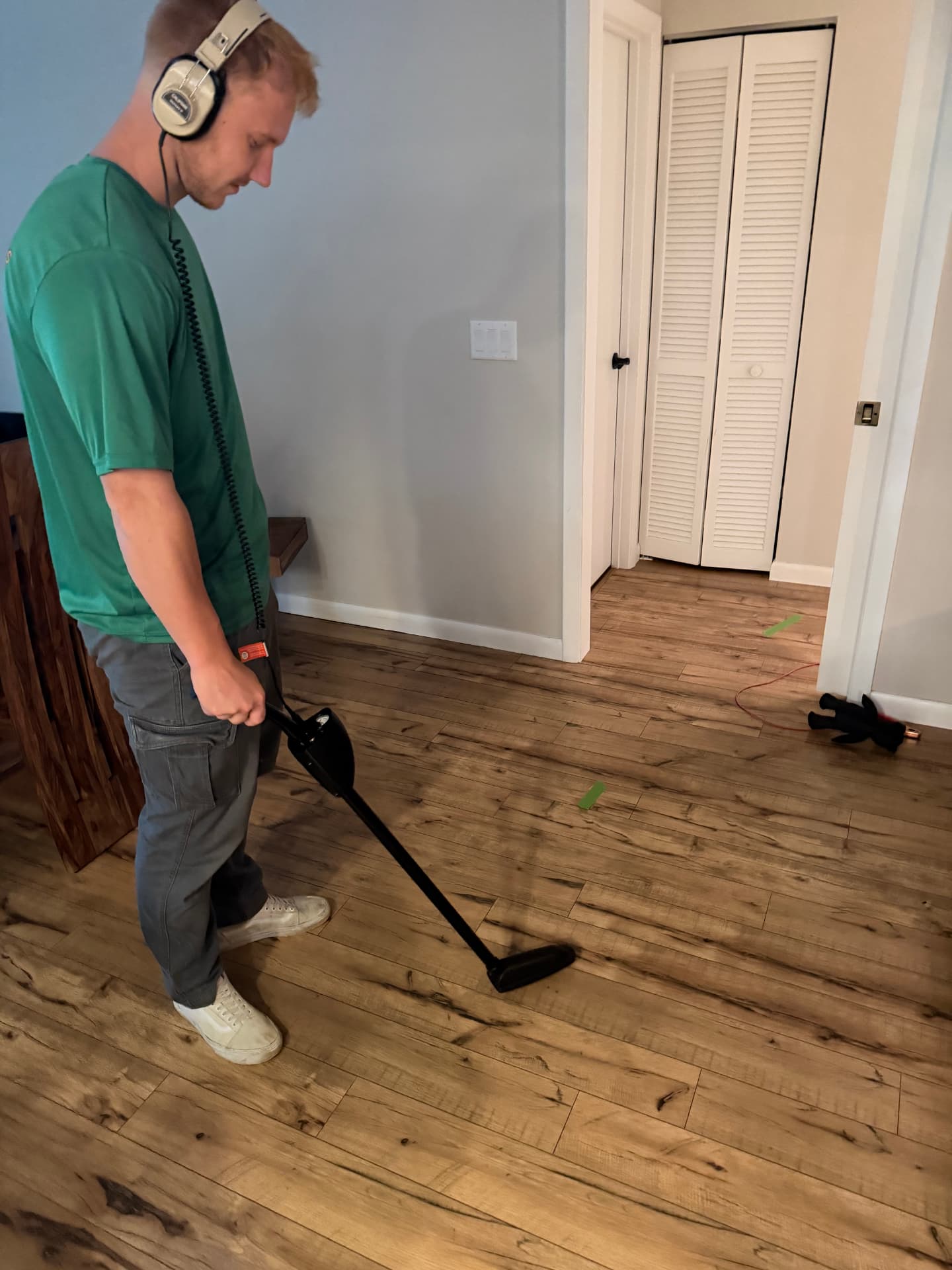
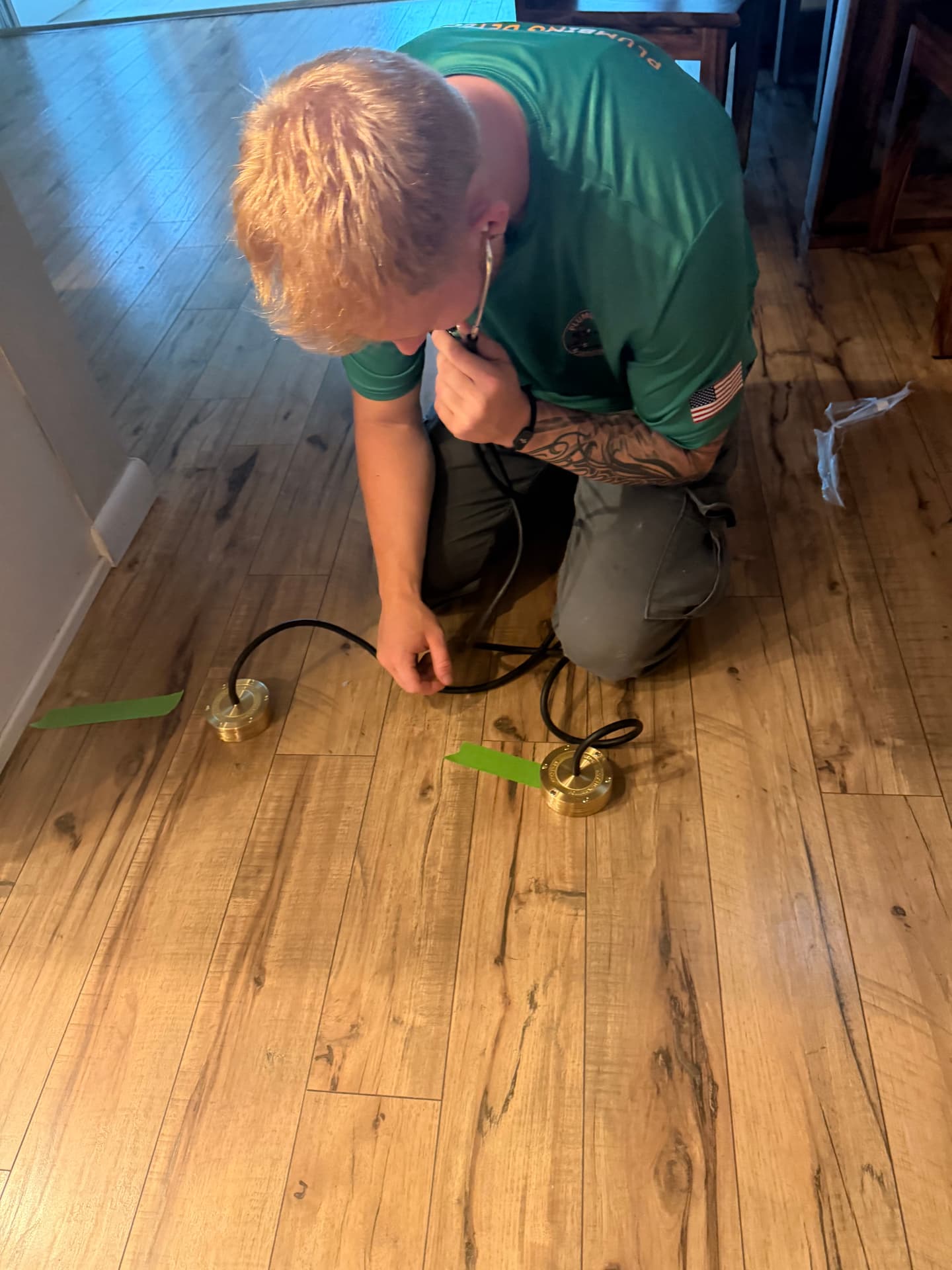
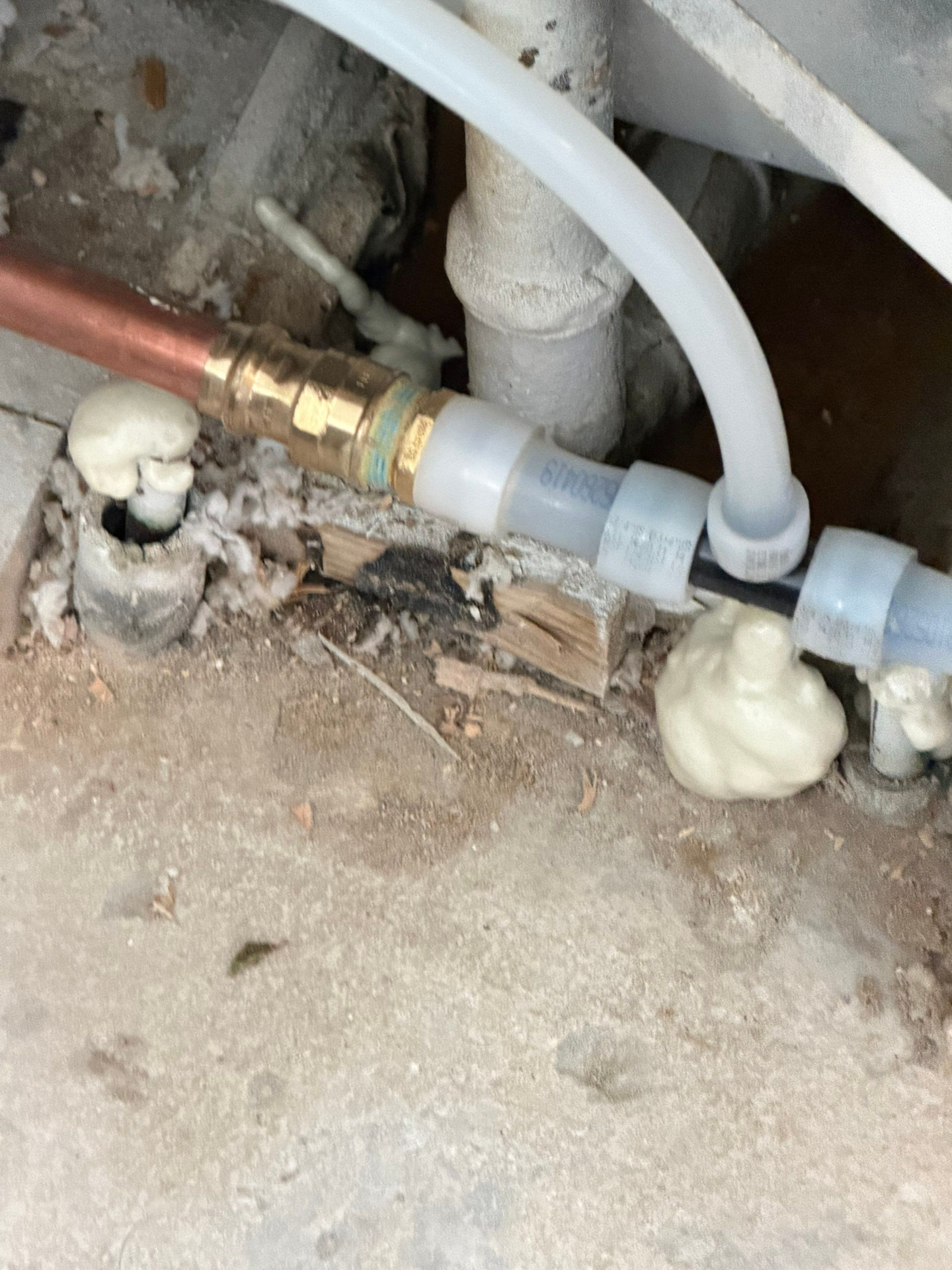
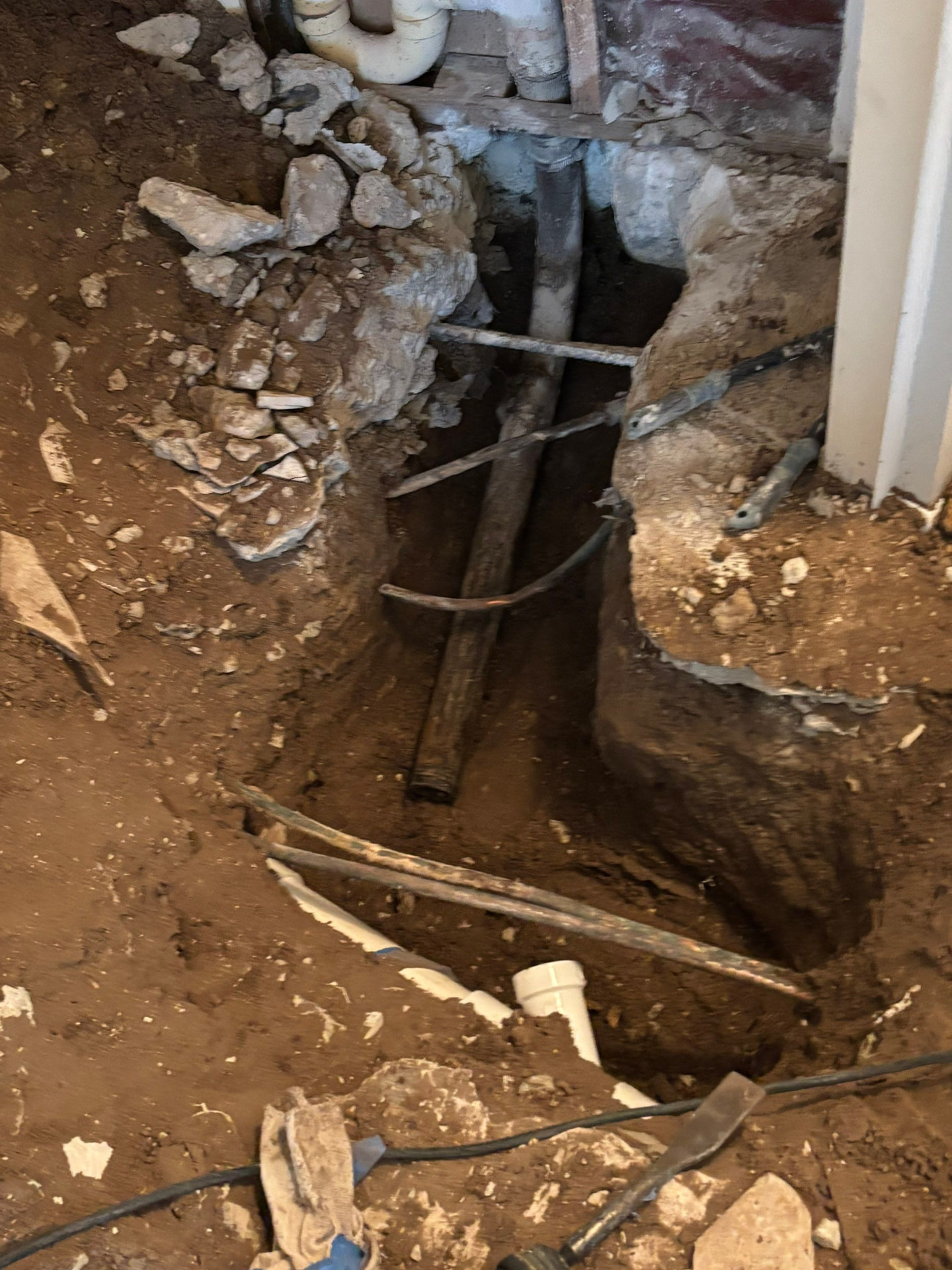
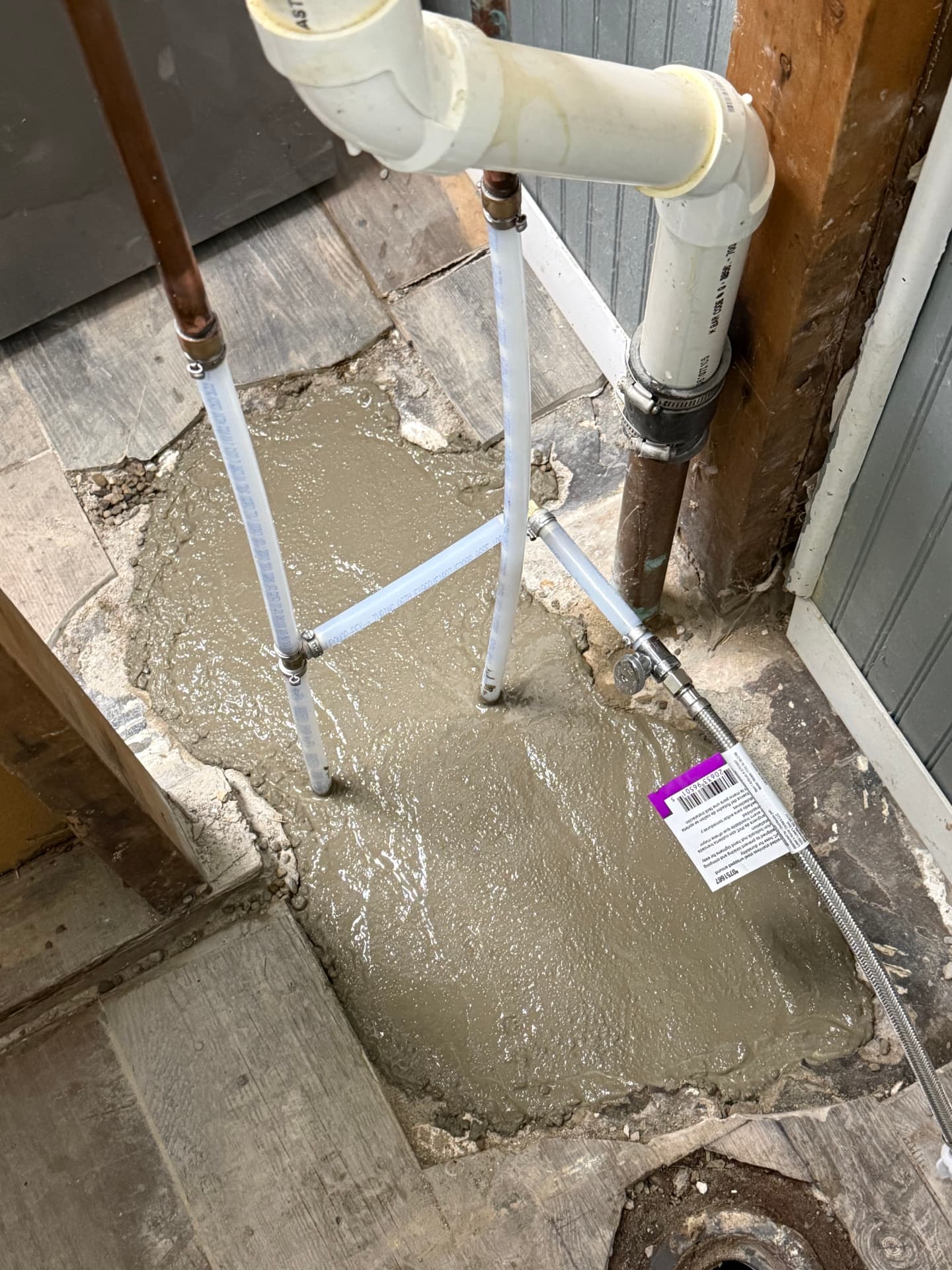
Photo slots awaiting Mike’s job-site images.
Answers
Frequently Asked Questions — Slab Leak Detection in Laurel, FL
If you’ve read this far, you understand hidden leaks in Laurel better than most homeowners ever get them explained — because until this page, nobody had explained them for Laurel at all. You know why this soil hides the evidence, why well properties lose the early warning everyone else takes for granted, why the polybutylene question is now an insurance question, why trace-percolate-listen finds what thermal alone can’t, and why a documented answer is worth more than the scan itself. If your bill or your pump is telling you something, if one room smells wrong, or if you’ve never confirmed what pipe is actually in your walls — call me at 239-388-3631. I’m just up the road, the equipment’s on the truck, and you’ll see the evidence before anyone talks about a price.
Plumbing Detectives LLC | Venice, FL | License CFC1434139
239-388-3631 | plumbingdetectivesfl.com