
Water Softeners & Water Filtration · Bradenton Beach, FL
Water Softeners & Whole-House Water Filtration in Bradenton Beach, FL
Anna Maria Island water, honestly — sized to your tap test, not the county average. Licensed master plumber CFC1434139.
Call Now239-388-3631I did a water test on a Bradenton Beach vacation rental last year, and the owner — who lives out of state and only sees the place a few weeks a year — asked me something I hadn’t been asked before: “Does the water taste different after a hurricane?” It’s a fair question on this island. Between the boil-water orders and the rebuild, Bradenton Beach has had a stranger few years than almost anywhere else I work, and most water treatment pitches here don’t account for any of it.
My name is Mike Reynolds — owner of Plumbing Detectives LLC, licensed master plumber, CFC1434139, based in Venice. I work Anna Maria Island regularly, both owner-occupied cottages and the vacation rental stock that dominates this market. This page is the honest version of the water conversation here: what utility actually serves the island, what’s really in the water, what the 2024 storms changed and what they didn’t, and how a system gets sized to your specific property — whether that’s a full-time home or a rental with a guest turning over every Saturday.
The Chemistry
What’s Actually in Bradenton Beach Water
Bradenton Beach is the southernmost of the three towns on Anna Maria Island, a barrier island separated from the mainland by Sarasota Bay. Despite sitting out on the Gulf, the island doesn’t have its own water source — it’s served by Manatee County Utilities, the same system covering greater Bradenton, with supply lines running from the mainland under the bay. There are no coastal wells feeding your tap; the water originates from Lake Manatee Reservoir and Floridan Aquifer wells roughly 1,200 feet deep in eastern Manatee County, same as I describe on the Bradenton page.
That means the treated hardness here tracks the county system: the best-supported number, drawn from the utility’s own reported data, is around 138 mg/L — roughly 8.1 grains per gallon. That’s “hard,” not “very hard.” You’ll see a competitor page for this island quoting 10 to 16 grains, and I’ll say plainly: I can’t find that number supported anywhere in the county’s own reporting. It may be describing something else, or it may just be a bigger number for a better pitch. Either way, don’t buy equipment sized to a claim nobody can source — get your water tested at your own tap, which is how every estimate here starts.
Disinfection is chloramine, same as the mainland county system, and the same seasonal issue applies: Lake Manatee gets algal blooms, and the county’s own fact sheet acknowledges the earthy or musty taste and odor that comes with it. On an island where a lot of properties are vacation rentals, that matters more than it would in a full-time home — a guest with no context for local water taste notices it immediately and says so in a review.
One utility artifact worth flagging because a couple of data sites get this wrong: some aggregators list “Sandpiper Mobile Home Park” as the utility serving 34217. That’s a tiny 30-person private system, not what serves the island generally. Your water comes from Manatee County Utilities, full stop, unless you specifically know otherwise.
The Damage
What Hard Water — and Two Hurricanes — Are Doing to Your House
At 8 grains, the day-to-day hardness damage here is the same mechanism as the Bradenton mainland: water heaters scaling from the inside, valve cartridges and appliance solenoids crusting up faster than they should, glassware clouding, soap not lathering right. Nothing about being on an island changes that chemistry.
What does change things here is 2024. Hurricane Helene triggered a boil-water advisory for Anna Maria Island on September 28, 2024. Two weeks later, with Hurricane Milton approaching, Manatee County made the call to shut off water and sewer service to the entire island — Bradenton Beach, Holmes Beach, Anna Maria, and Longboat Key — before landfall, specifically to protect the sewer lift stations from storm surge. Service was restored October 11 with a precautionary boil-water advisory, and that advisory wasn’t lifted until October 27. I want to be precise about what that means: these were pressure-loss precautions, not a documented contamination event. But a full service shutdown and a month of intermittent boil-water status is not nothing, and it’s the kind of thing that leaves sediment stirred up in distribution lines when service resumes — which is a real, practical argument for a sediment pre-filter stage that most water treatment pitches on this island don’t mention.
The bigger story is the housing stock itself. Prior storm-damage assessment work found that 90 to 95 percent of structures on Anna Maria Island had some level of damage after the 2024 season. That means Bradenton Beach in 2026 is genuinely two different housing markets layered on top of each other: original 1950s-70s cottages that survived, now 50-plus years old, and a wave of full rebuilds happening right now to current code. Water treatment planning is different for each, and I’ll get into that under Local Context.
And if you run a vacation rental here, hard water has a guest-facing cost that owner-occupants don’t deal with: spotted glassware and cloudy ice are things renters photograph and mention in reviews. That’s not a scare tactic, it’s just what I hear from rental owners directly.
The Equipment
The Equipment, Honestly — What Each System Does and Doesn’t Do
Same four technologies as everywhere else I cover, but on Bradenton Beach two things push the recommendation: the vacation rental occupancy pattern, and the post-storm resilience question.
A salt-based softener removes hardness. Nothing else does. Resin beads charged with sodium trade places with calcium and magnesium as water passes through, pulling the hardness out and holding it until a regeneration cycle — usually around 2 a.m. — flushes it to the drain with brine. Our line is the Safety Zone WC series, metered so it regenerates on actual use rather than a timer. For a full-time Bradenton Beach resident, that’s straightforward sizing off household size. For a vacation rental, it’s a different calculation — see below.
Whole-house carbon filtration removes chloramine, chlorine, taste, and odor. It does not touch hardness. Our Safety Zone WHF series uses catalytic coconut shell carbon, the grade that actually breaks down chloramine. On this island, carbon is pulling double duty: chloramine removal and the seasonal Lake Manatee algae taste that guests will absolutely notice and you may not, since you’re not drinking the water at the property every week the way a full-time resident would.
The COMBO does both, and for most Bradenton Beach properties — owner-occupied or rental — it’s the right call. Carbon ahead of the softener protects the resin and handles taste; the softener removes the hardness. Space is the real constraint here: beach cottage utility closets are small, and a single-tank all-in-one COMBO unit is what fits in most of the footprints I see on this island, versus the two-tank systems that make sense in a bigger mainland Bradenton home.
The RO-4 handles drinking water and ice — and on a rental, this is often the highest-visibility upgrade you can make. Under-sink reverse osmosis with its own faucet. Guests notice ice quality and drinking water taste more than almost anything else in a rental unit, and RO removes the chloramine taste, disinfection byproducts, and sodium from softened water at the one tap people actually drink from.
Salt-free “conditioners” — including the Crown5 we carry — reduce scale sticking. They do not soften. Effective in the roughly 10 GPG and below range, which covers Bradenton Beach’s ~8.1 grain treated water. No salt, no drain, no power — genuinely attractive for a small-footprint rental property where a brine tank is one more thing to manage from out of state. I’ll give it a fair look for the right property. It won’t drop your hardness number, and I’ll say so before you buy one.
Straight Answer
“What About the Halo 5?” — The Honest Answer
You’ll see the Halo 5 marketed on this island too — it’s a multi-stage whole-house filtration and conditioning system. Several carbon stages for chlorine, taste, and odor, which is legitimately useful given the chloramine and seasonal algae taste here, plus a salt-free conditioning stage for scale.
What it is not: a softener. The conditioning stage doesn’t remove hardness — Halo’s own materials say the minerals stay in the water. At Bradenton Beach’s 8-grain treated water, the conditioning genuinely does something, same as the Crown5 conversation above. But it’s not the same product as a softener, and on a rental property specifically, I’d want you to know that before you spend rental-property money on it expecting your guests to stop seeing spots on the shower glass. The fair comparison is Halo 5 versus our COMBO.
Plumbing Detectives LLC Professional Opinion
If you own a rental on this island and you’re not physically here most weeks, ask whoever quotes you a system one direct question: “How do you handle regeneration scheduling around guest turnover?” A softener that regenerates during a Saturday changeover, or runs out of salt because nobody’s local to refill it, is worse than no softener — it’s a system your property manager now has to babysit. I schedule regeneration timing around your actual booking pattern and build in enough capacity that salt refills line up with normal turnover visits, not emergency ones. If a company can’t answer that question, they’ve never actually managed equipment on a vacation rental island.
The Math
How We Size a System — The Actual Math
Daily grain load = people in the home × roughly 75 gallons per person per day × tested hardness in GPG.
A full-time Bradenton Beach resident, two people, testing at 8.1 GPG: 2 × 75 × 8.1 = about 1,215 grains a day, roughly 8,500 a week. A small WC-100-class unit handles that easily.
Now the rental case, and this is where Bradenton Beach sizing actually differs from a residential quote: a 3-bedroom vacation rental sleeping 6 guests, running near full occupancy in season. 6 × 75 × 8.1 = about 3,645 grains a day — but that’s the average-occupancy number, and a rental doesn’t run average, it runs peak. A full house every week means sizing for the busy scenario, not the empty one, which is why I recommend a 48,000-grain minimum for 3-plus bedroom rentals here regardless of what the average-occupancy math alone would suggest — undersizing on a property nobody’s watching daily is the wrong place to save money.
Local Context
Bradenton Beach Specifically — Two Housing Eras, One Island’s Worth of Storms
Bradenton Beach was incorporated December 21, 1951, part of the same post-war building wave that shaped all of Anna Maria Island — the island had barely any development before a bridge connected it to the mainland in 1921, then grew fast through the 1950s-70s. That’s the first housing era: original cottages, now 50 to 70-plus years old, that survived the 2024 storms. In these homes, the same pipe-era math applies as anywhere else of that vintage: pre-1970 galvanized supply lines, cast iron drains, and — since Florida didn’t ban lead solder in potable systems until 1989 — a real chance of lead solder at copper joints in anything built before then. A softener on a house like this needs to know what it’s feeding into; I check pipe material before I quote equipment, not after.
The second era is happening right now: given that 90 to 95 percent of island structures had some level of storm damage, a large share of what’s standing on Bradenton Beach today is mid-2020s reconstruction — new PEX plumbing, current code, softener loops that make installation straightforward. If your property was rebuilt or substantially renovated after 2024, the pipe conversation mostly goes away and the water quality conversation is the whole job.
The FEMA angle matters here specifically. Bradenton Beach has an active 50% substantial improvement rule — if the cost of work on a structure reaches half its market value, the whole property has to be brought up to current FEMA elevation standards. A standalone water treatment install, on its own, generally doesn’t trip that threshold. But if you’re planning water treatment alongside other renovation work on a pre-FIRM (pre-1974) structure, the costs can aggregate toward that 50% line, and I’d rather you check with the City of Bradenton Beach building department before combining projects than find out after the fact. I’ll flag it; I won’t pretend to be the final word on your specific numbers.
And the vacation rental character of this market changes the whole conversation, not just sizing. High guest turnover means faster mineral buildup on visible fixtures, more frequent scale-related service calls, and — the thing owners care about most — guest experience tied directly to water and ice quality. No competitor page I’ve found addresses this specifically for Anna Maria Island; it’s mostly generic softener marketing. I plan every rental quote around your actual booking pattern, not a residential assumption.
On sewer: the island runs on Manatee County sewer service — confirmed by the fact that the county shut off water and sewer together before Milton specifically to protect the lift stations. That means softener regeneration discharge is a normal drain connection here, not a septic design problem.
The Work
Installation — What a Proper Job Looks Like
The tee order is the design. Outdoor spigots and any irrigation tee off before the treatment equipment. The kitchen cold line can bypass the softener so drinking water stays unsoftened, or feeds the RO-4. Carbon goes ahead of the softener, then treated water feeds the water heater and the rest of the house.
Space dictates the equipment on this island more than anywhere else I work. Beach cottage utility closets are small, and rebuilt homes aren’t always designed with a full treatment train in mind. I plan the physical layout — often a compact single-tank COMBO — around what your closet actually has, not what the spec sheet assumes.
A 5-micron sediment pre-filter ahead of everything else is something I recommend as standard on this island, given the documented history of pressure-loss events disturbing distribution-line sediment. It’s inexpensive insurance against particulate showing up after the next storm-related service interruption.
Drains get air gaps. Period. Regeneration discharge and brine tank overflow are separate lines, each properly air-gapped — the same cross-connection principle covered elsewhere on this site. No exceptions for a rental just because the owner isn’t around to notice a bad install.
Permits: cutting into the potable supply is plumbing work under my license, permitted per Manatee County and City of Bradenton Beach requirements. If you’re planning this alongside other renovation work on an older structure, the permit conversation and the FEMA 50% conversation should happen at the same time, with the building department — not discovered separately.
Plumbing Detectives LLC Tips
If you manage a rental remotely, ask for regeneration scheduled around your cleaning turnover, not a random 2 a.m. default — it keeps the system invisible to guests instead of interrupting a changeover.
A 5-micron sediment pre-filter is cheap and worth adding on this island specifically, given the 2024 boil-water history — it catches anything stirred up after the next service interruption before it reaches your fixtures.
Renovating a pre-1974 structure? Check with the City of Bradenton Beach building department before combining water treatment with other work — costs can aggregate toward the FEMA 50% substantial improvement threshold.
Rebuilt after 2024? Your plumbing is probably new PEX with a softener loop already in place — ask whoever quotes you whether they’re pricing a straightforward tie-in or assuming an older cut-in job you don’t actually need.
Pricing
What This Costs — Honest Context
Equipment spans a real range: whole-house catalytic carbon filtration starts around the mid-$1,000s installed at the small end; properly sized salt softeners run in the mid-$2,000s to mid-$3,000s range; COMBO filtration-plus-softening systems run higher; the RO-4 at the kitchen sink is the most affordable single upgrade in the lineup. On Bradenton Beach specifically: rental properties sized for peak occupancy (that 48,000-grain minimum for 3-plus bedrooms) sit toward the higher end regardless of average usage, and a sediment pre-filter stage adds a modest amount for real post-storm protection. Combining work with other renovation on a pre-FIRM structure is worth a FEMA-threshold conversation before you finalize scope.
What I won’t do is quote your property off this page. The number depends on your tested water, whether the structure is original or rebuilt, your closet space, and — for rentals — your actual booking pattern. The estimate starts with the free in-home water test — call 239-388-3631.
Why Us
Why Plumbing Detectives LLC
Most water treatment marketing aimed at this island is generic — the same softener pitch used for a mainland subdivision, dropped onto a barrier island with none of the storm history, space constraints, or rental-occupancy realities accounted for. We’re the plumber who actually works this island, understands what Manatee County Utilities is delivering here, knows what 2024 changed and what it didn’t, and sizes equipment to how the property is actually used — not a residential assumption. If your Bradenton Beach property needs more than water treatment — a slab leak found before a rebuild covers it up, a sewer line camera-inspected, supply lines replaced with Uponor PEX-A during a renovation — that’s one phone number too. Slab Leak Detection in Bradenton Beach · Whole-House Repiping in Bradenton Beach · Sewer Line Repair in Bradenton. License CFC1434139. Fully insured.
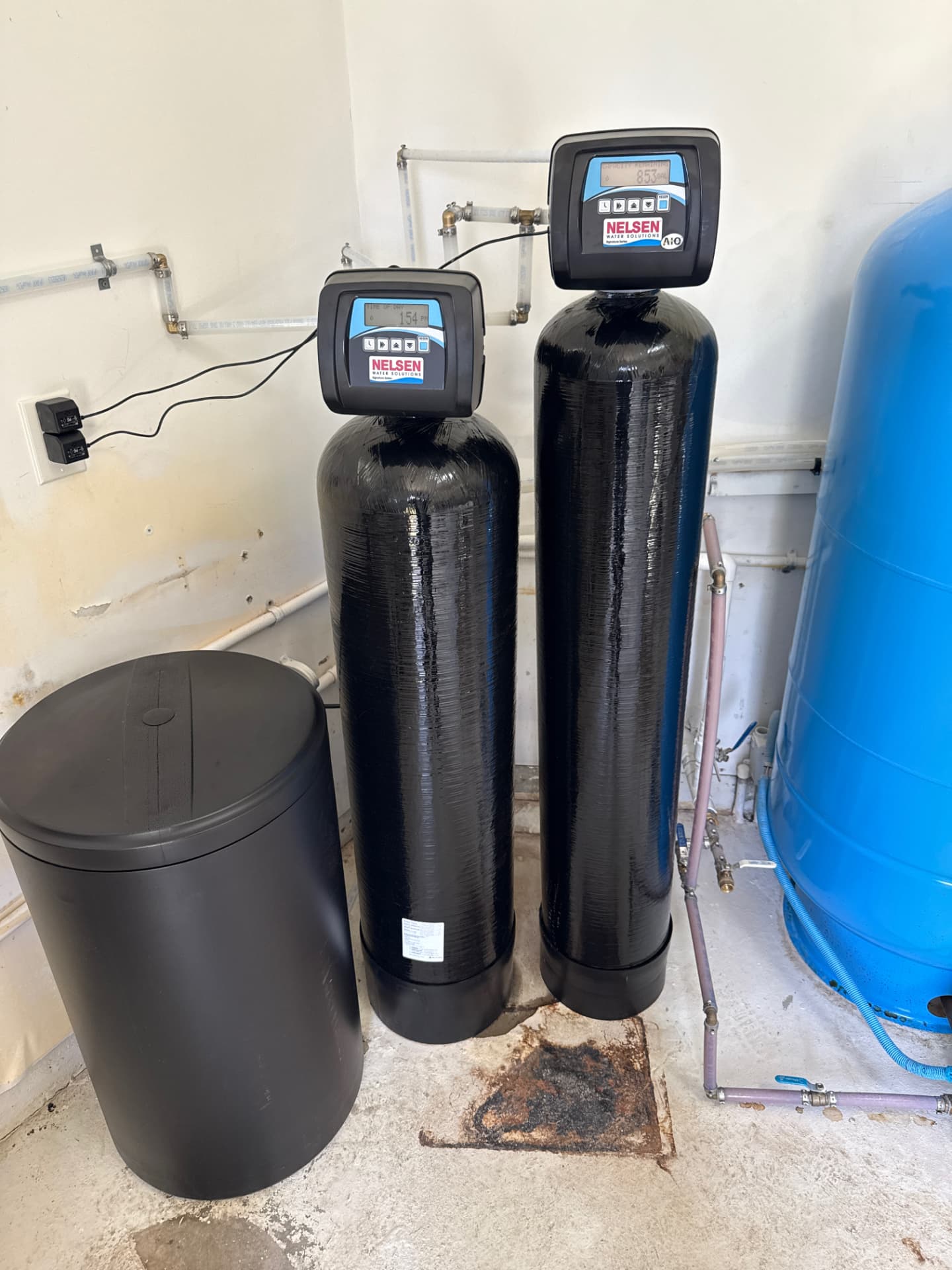
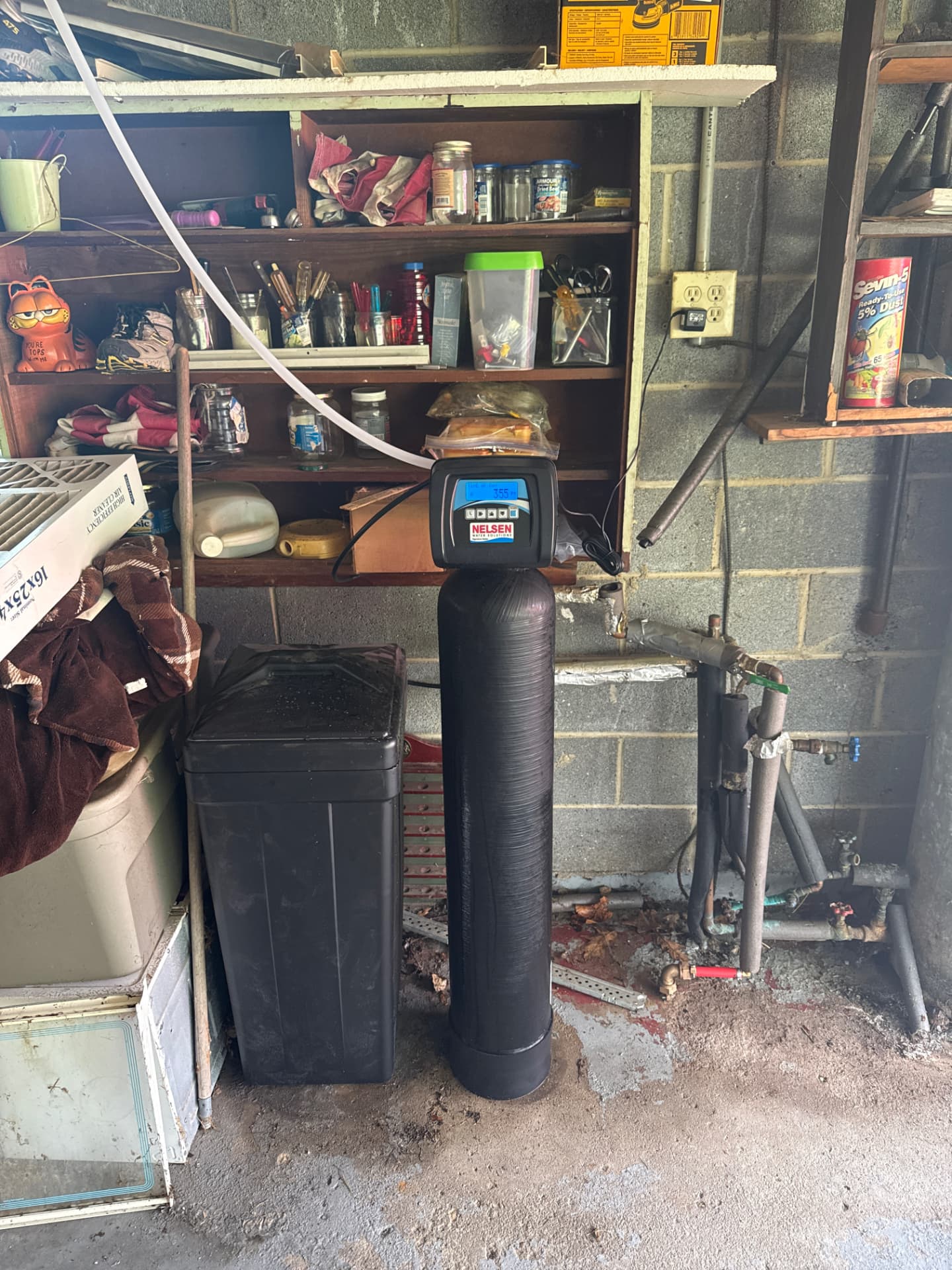

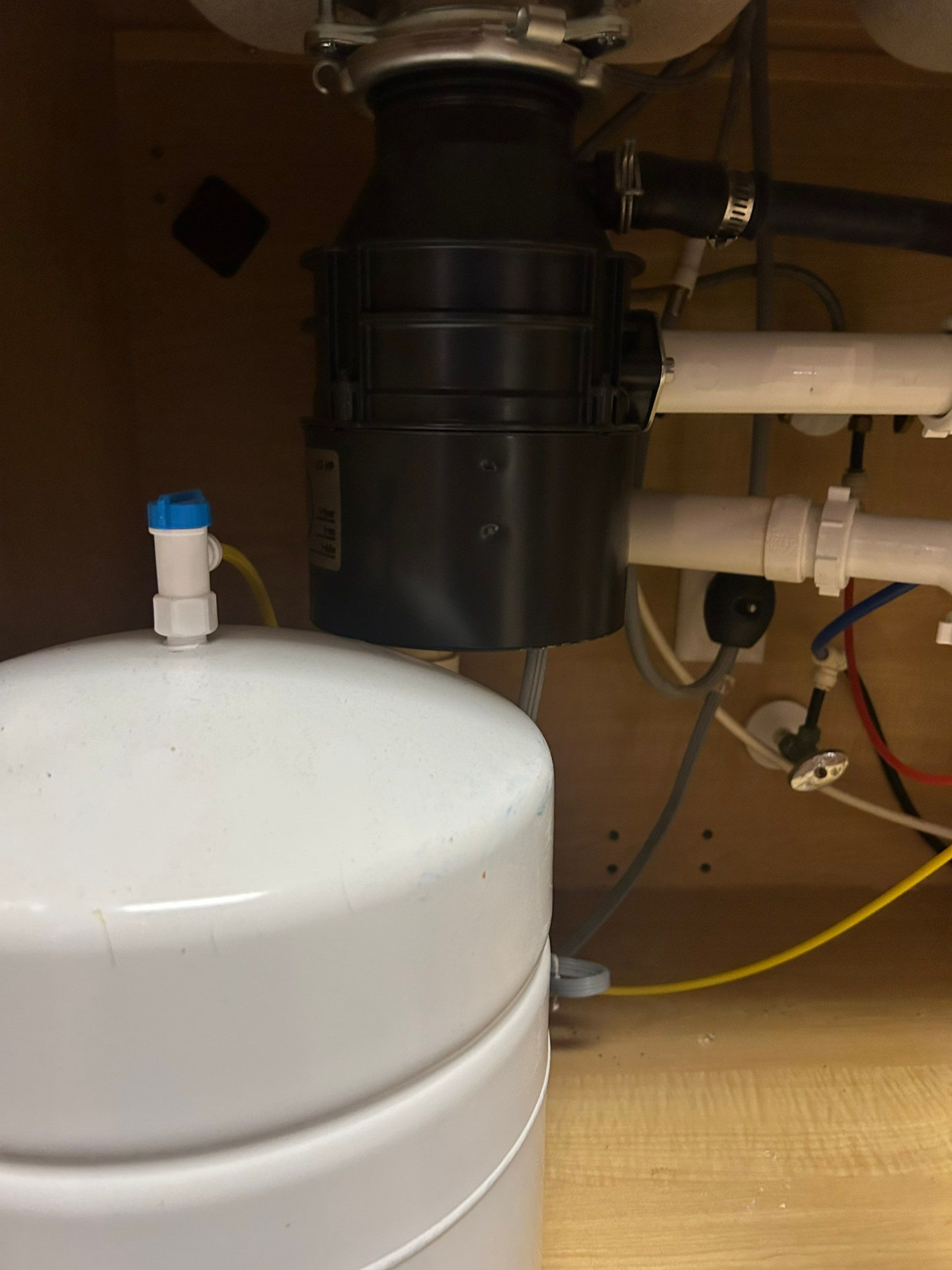
Photo slots awaiting Mike’s job-site images.
Answers
Frequently Asked Questions — Water Softeners in Bradenton Beach, FL
If you’ve read this far, you know something most water treatment pitches on this island skip entirely: your water comes from the mainland, not a local source; the treated hardness runs about 8 grains, not the 10-16 you might see claimed; the 2024 boil-water orders were precautionary, not confirmed contamination; and if you run a rental, sizing and scheduling need to match how the property is actually used, not a residential assumption. If you want your actual numbers — hardness, chloramine, at your own tap — call 239-388-3631 and we’ll start with the free water test.
Plumbing Detectives LLC | Venice, FL | License CFC1434139
239-388-3631 | plumbingdetectivesfl.com
Serving Venice, Venice Gardens, South Venice, Nokomis, Laurel, Sarasota, Englewood, Wellen Park, North Port, Bradenton, and Bradenton Beach.