When someone calls me with water on the floor, the first thing I want them to do isn’t call me. It’s shut the water off. Most of the damage I see from a sudden leak isn’t from the pipe that broke. It’s from the water that kept running while the homeowner looked for the valve, waited on hold, or didn’t know where the shutoff was.
This is what I tell people on the phone, in the order I tell them. It isn’t a replacement for a plumber, and the “30 minutes” isn’t a deadline. It’s just the stretch of time where the right moves save you the most money.
— Michael Reynolds, owner, Plumbing Detectives LLC (Florida Certified Plumbing Contractor, CFC1434139)
Is it safe to go near the leak?
Check that before you touch anything. Water and gas problems can turn a plumbing call into an emergency-services call.
- You smell gas: Leave the house. Don’t flip light switches or use anything that could spark on your way out. Once you’re outside, call 911 and your gas company. Don’t stay inside trying to figure out the water heater, and don’t wait for a plumber.
- Water is near outlets, cords, or the electrical panel: Don’t walk through standing water to reach a breaker or unplug something. If you can’t get to the panel without stepping in water, stay out and call an electrician or 911. The CDC is clear on this: don’t operate electrical equipment while you’re standing in water.
- The ceiling is sagging or the floor feels soft: Stay out of that room. Don’t poke a hole in a bulging ceiling or climb up to look.
If none of that applies, go to the next step.
Which shutoff valve should I use?
Use the closest valve that stops the leak, and if you can’t find one fast, shut off the whole house.
There are three kinds of valves you might run into:
- Fixture shutoff (stop valve): The small valve under a sink, behind a toilet, or behind the washing machine. If the leak is clearly coming from one fixture, turn this one off and the rest of the house keeps water.
- Main house shutoff: This shuts off water to the whole house. In most homes I work in around Venice, it’s outside, on the side of the house, where the water line comes in. That’s the one I tell people to use.
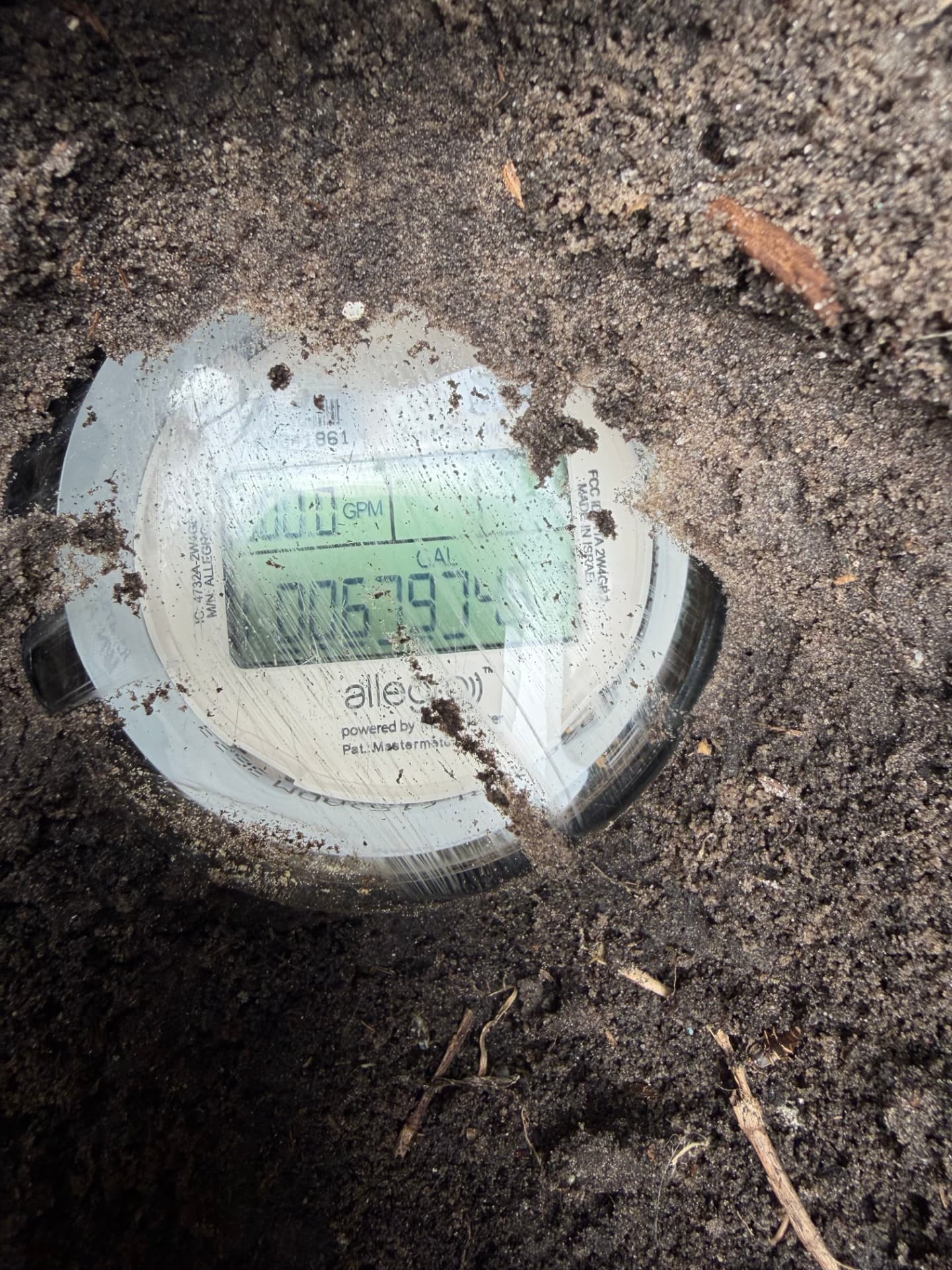
- Meter box valve: Most homes also have a valve at the water meter near the street. It’s often buried under dirt and grass, and the meter itself belongs to your water utility.
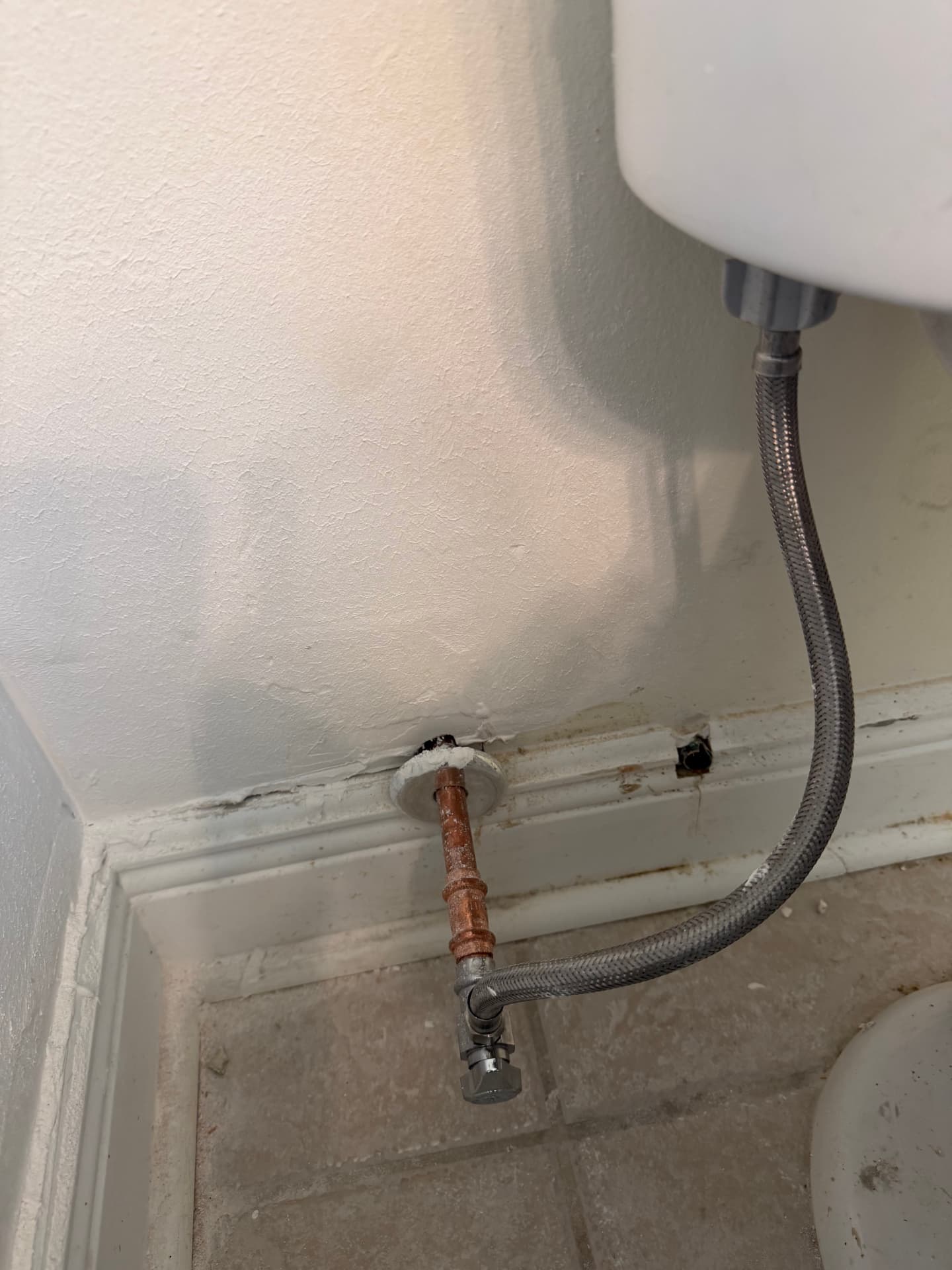
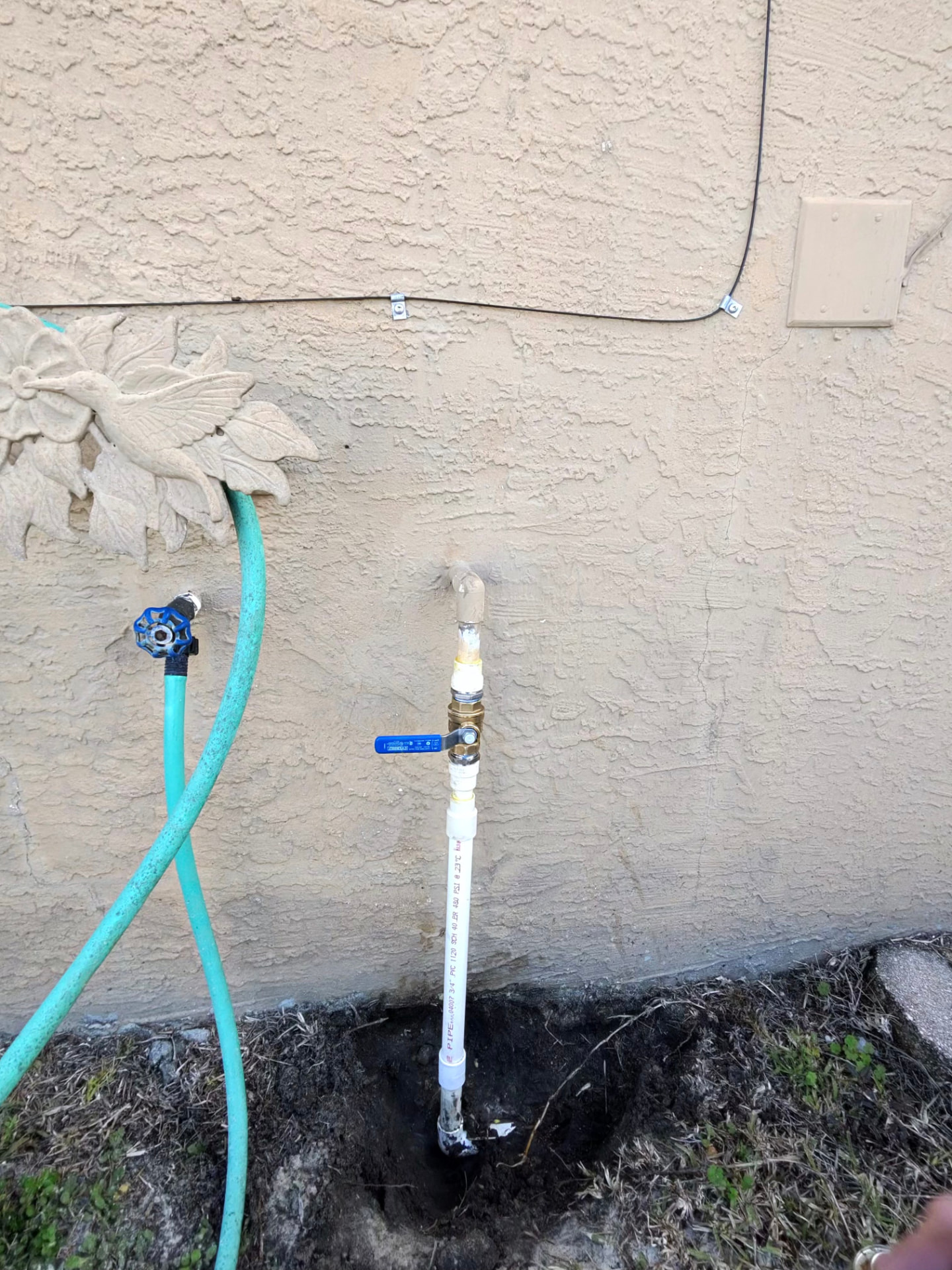
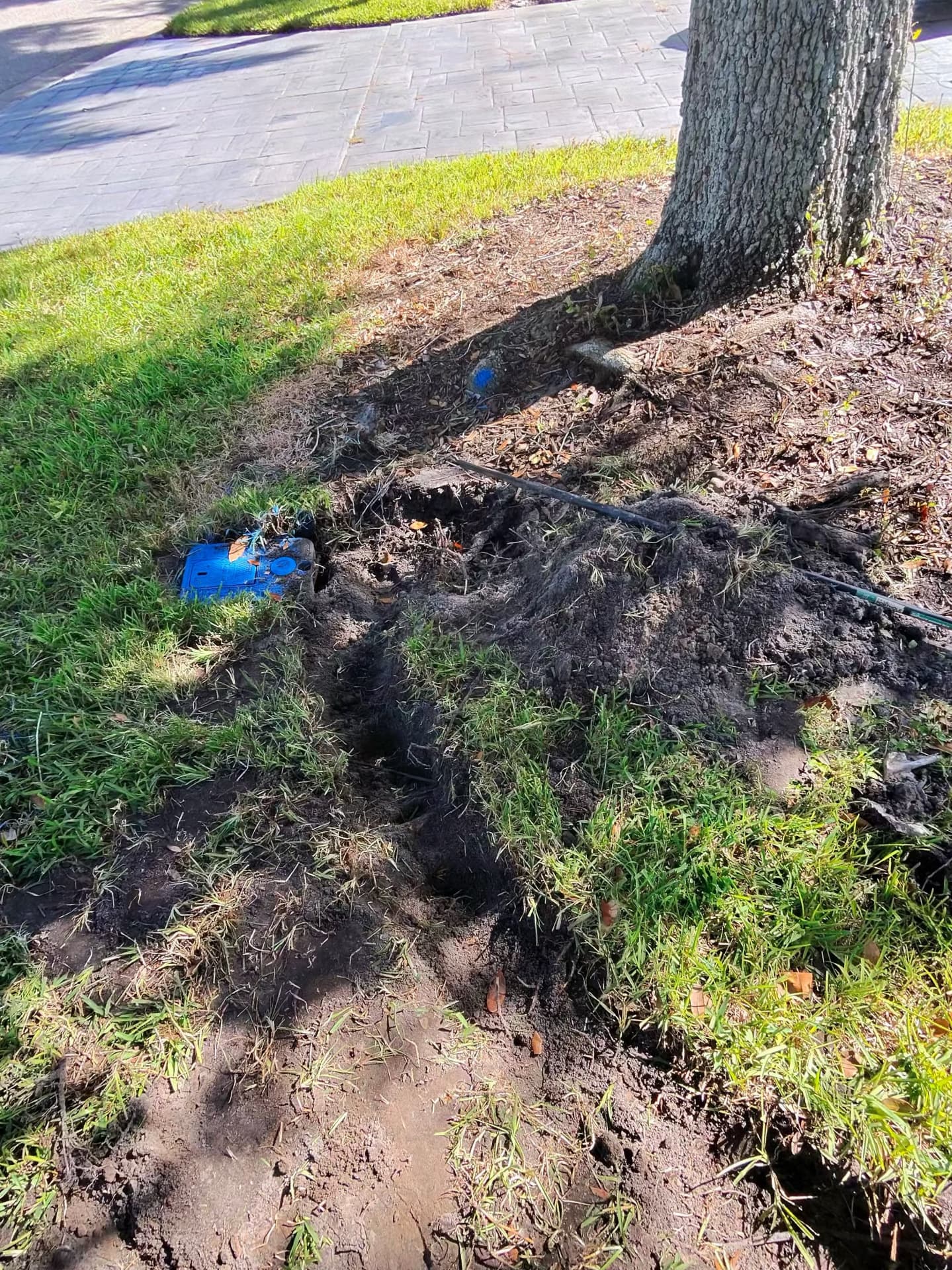
How to close them: a round handle (gate valve) turns clockwise until it stops. A lever handle (ball valve) closes when the handle sits crosswise to the pipe.
What if the shutoff is stuck, leaking, or I can’t find it?
Don’t force it. An old valve that’s seized can snap or start leaking when you crank on it, and then you have two leaks.
This is when the meter box comes into play. Most people are afraid to touch it, and that’s understandable. Call a plumber, tell them the house valve won’t close, and they’ll tell you what you’re looking at. If the leak is on the utility’s side of the meter or you can’t get to it, call your water utility’s emergency line (numbers below).
The leak is from the water heater. What do I do?
About 90% of the homes I see around here have an electric water heater. For those:
- Turn off the cold water inlet. That’s the valve on the cold line going into the top of the tank.
- Turn off the breaker for the water heater. Most panels I open aren’t labeled. If yours isn’t, the water heater is usually a double 30-amp breaker, two switches tied together.
Only go to the panel if you can get there without standing in water. If the water heater is gas, or you smell gas at all, go back to the first section: get out and call from outside.
Who should I call?
- Plumbing Detectives: (239) 388-3631. I’ll be straight with you: I’m not going to promise somebody is sitting by the phone at 3 a.m. If anyone tells you their company has someone awake waiting for your call in the middle of the night, ask more questions. If I see the call and I can help, I’ll gladly do it. That’s why stopping the water yourself matters so much.
- City of Venice Utilities, 24-hour water and sewer emergencies: 941-486-2770
- Sarasota County Utilities: 941-861-6790 (after hours / emergency repairs: 941-316-1201)
- Gas smell, fire, electrical danger, or anyone hurt: 911
Check your water bill to see who your utility actually is. A Venice mailing address doesn’t always mean City of Venice water.
What should I photograph before the plumber gets there?
A few photos, only once the water is off and it’s safe:
- Where the water is coming from, if you can see it
- The wet floor, walls, and anything damaged, both wide and close
- The time you found it and what you shut off
Then call your insurance company to report it. Florida’s homeowner claims bill of rights tells homeowners to make the emergency repairs needed to stop more damage and to document them, so don’t let the phone call stop you from shutting the water off. Coverage depends on your policy. For more on insurance and what happens after the leak is stopped, see our Emergency Plumber in Venice, FL page.
If I’m not home, what does the plumber need?
For a snowbird, a rental, or a property you’re watching for someone else, usually all I need is the gate code. If it’s a private house, I can usually shut the water off at the side of the house or the meter box without getting inside. For condos, have the manager’s or maintenance contact handy, because shared buildings often have shutoffs you can’t reach.
What happens when the plumber gets there?
First, stop the bleeding. Make it safe and get the water off. Then we take it from there: find exactly what failed, explain it, and give you the options.
When we leave, you get photos, a written description of what we found and did, and an itemized invoice.
One thing a plumber doesn’t do: dry out your house. Stopping the leak and drying the walls and floor are two different jobs. I leave the drying to a restoration or mold company. The EPA recommends drying wet materials within 24 to 48 hours to help prevent mold, so call one quickly if anything soaked through.
The biggest mistake I see
People don’t shut the water off, or they don’t know how.
That’s why, the first time I’m at someone’s house for anything, I show them where their shutoffs are and how to use them safely. If water ever shows up where it shouldn’t, I don’t want you thinking about it. I want you walking straight to the valve.
If you don’t know where yours is, find it today, before you need it. And if you want to catch leaks before they turn into this, read Small Pipe Leak Today, Big Repair Tomorrow.
Quick checklist: water on the floor
Quick Checklist: Water on the Floor
- Smell gas? Get out and call 911 and the gas company from outside.
- Water near electrical? Don’t walk through it to the panel.
- Shut off the fixture valve, or the main shutoff on the side of the house.
- Valve stuck? Don’t force it. Call a plumber or your utility.
- Water heater? Cold inlet off, breaker off (usually a double 30-amp).
- Take a few photos once it’s safe.
- Call your plumber, then your insurance company.
- Call a restoration company if anything got soaked.
Plumbing Detectives LLC · 312 E Venice Avenue, Suite 203, Venice, FL 34285 · (239) 388-3631 · Florida Certified Plumbing Contractor CFC1434139
Sources
- CDC, What to Do to Protect Yourself From Electrical Hazards
- Sarasota County, Sewer Leaks and Sewer Emergencies (utility emergency numbers, including City of Venice)
- City of Venice, Department Directory
- Florida Statutes §627.7142, Homeowner Claims Bill of Rights
- EPA, A Brief Guide to Mold, Moisture and Your Home